By using this site, you agree to the Privacy Policy and Terms of Use.
Accept
Health Works CollectiveHealth Works CollectiveHealth Works Collective
  • Health
    • Mental Health
  • Policy and Law
    • Global Healthcare
    • Medical Ethics
  • Medical Innovations
  • News
  • Wellness
  • Tech
Search
© 2023 HealthWorks Collective. All Rights Reserved.
Reading: 4 Ways Exercise Science Can Help Athletes Reach New Levels
Share
Notification Show More
Font ResizerAa
Health Works CollectiveHealth Works Collective
Font ResizerAa
Search
Follow US
  • About
  • Contact
  • Privacy
© 2023 HealthWorks Collective. All Rights Reserved.
Health Works Collective > Technology > Medical Innovations > 4 Ways Exercise Science Can Help Athletes Reach New Levels
Medical Innovations

4 Ways Exercise Science Can Help Athletes Reach New Levels

MarlenaStoddard
MarlenaStoddard
Share
3 Min Read
SHARE

Using science to refine athletic performance has been around almost as long as sports themselves. Coaches and trainers have always sought better techniques and training to improve performance. But in the age of technology, new approaches are being used to better gauge performance in order to provide solutions that are more accurate, detailed, and effective. Here are a few of the ways exercise science has evolved to improve athlete performance.

Contents
  • 1. Wearables
  • 2. Mobile Apps
  • 3. Smart Devices
  • 4. More Awareness

1. Wearables

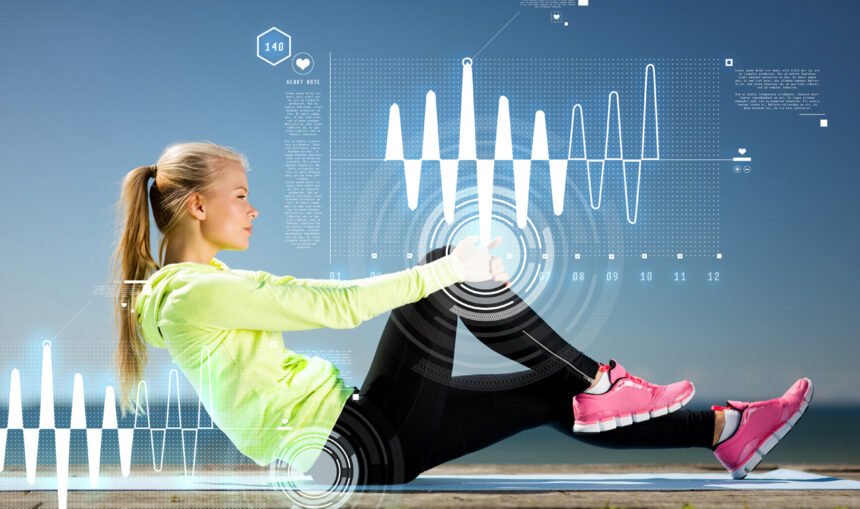
Various types of bracelets and other wearable sensors can capture physical data 24/7. They can measure heart rates, body sweat, speed, distance, body temperature, calories burned, and more. This can give a clear idea of how hard an athlete is training and areas where improvement is needed. They can also help to proactively prevent injuries from over-training.

2. Mobile Apps

More exercise apps are appearing that can help both professional athletes and amateurs to monitor their progress. They become a web-based record of calories burned, nutritional intake, hours of sleep, heart rate, distance run, workout times, and much more. All of this information can be utilized to quickly produce reports on various strengths and weaknesses of individual training regimens.

3. Smart Devices

The idea of using sensors to capture information for computer processing has not been overlooked by athletic organizations. Smart technology is becoming an important part of training gear. For instance, a quarterback can be fitted with sensors and even sensor-equipped footballs to monitor exactly what’s happening during a pass downfield. Computers can reassemble all those tiny signals on movement into a cohesive visual record that expert trainers can use to refine posture and technique.

More Read

These Advances In Healthcare Technology Are Changing The Industry
Microvisk Limited Uses Same Technology as iPhone, Wii to Measure Blood Coagulation
New Technology Will Catch Alzheimer’s in the Early Stages
Gene Mutations That Cause Dementia and ALS Successfully Targeted in New Experiments
7 Beneficial Ways Technology Can Impact Your Fitness

4. More Awareness

Training equipment is expected to become a $12.8 billion market over the next five years. As more people are seeking better health, internet technology is playing a central role. Digital communities are spreading new innovations, products, and information to millions of mobile device users. This has also led to greater demand for sports education. For instance, a person’s enthusiasm for sports and exercise could translate into a master?s degree in athletic administration that allows him or her to turn a passion into a profession. Reaching new levels of performance lies in better technology and smarter training. Modern science makes that a real possibility for amateurs as well as professionals. These technologies will improve and evolve to create even better results. Given the wide demand, competition among athletic vendors will become even steeper, ensuring falling prices and more innovation. Even the best young athletes will one day accomplish more than they ever thought possible by focusing on learning more and training smarter.

Share This Article
Facebook Copy Link Print
Share

Stay Connected

1.5KFollowersLike
4.5KFollowersFollow
2.8KFollowersPin
136KSubscribersSubscribe

Latest News

Advances in Diagnostic Tools for Early Detection of Dementia -- AI-generated illustration
Advances in Diagnostic Tools for Early Detection of Dementia
Diagnostics
August 1, 2026
How Virtual Schools Deliver Therapy and Special-Education Support for Children With Disabilities -- AI-generated illustration
How Virtual Schools Deliver Therapy and Special-Education Support for Children With Disabilities
Health News Therapy
July 31, 2026
mri technology
Why Preventive MRI Maintenance Is Essential for Hospitals
Business Hospital Administration
July 24, 2026
senior on computer
Health and Digital Safety Risks Older Adults Should Know
Senior Care
July 24, 2026

You Might also Like

Presenting at Stanford Medicine X

September 21, 2015

When a Health Care Business Model Disruption is Self-Destructive

November 13, 2015
Patient Acquisition and digital-marketing
HealthMarketingMedical InnovationsTechnology

The Future of Patient Acquisition: Modern SEO & Digital Marketing for Dermatology Practices

July 20, 2026

Microsoft and Sony Collaborate To Announce A Portable Remote HD IP Camera To Be Used For Patient/Physician Consultations

February 23, 2011
Subscribe
Subscribe to our newsletter to get our newest articles instantly!
Follow US
© 2008-2026 HealthWorks Collective. All Rights Reserved.
  • About
  • Contact
  • Privacy
Welcome Back!

Sign in to your account

Username or Email Address
Password

Lost your password?