
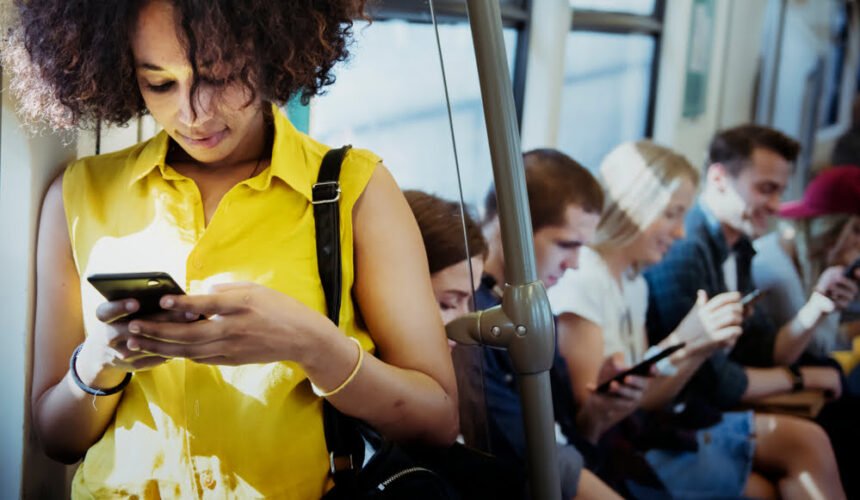
Uncontrolled social media use can be addictive, mainly for teens. Spending too much time on social platforms and becoming too dependent on them may affect their mental health. One study estimates that as many as 10% of Americans suffer from social media addiction, which is higher among teens.
However, learning how to establish healthy boundaries, staying safe, avoiding falling prey to social media trends, and creating time for face-to-face, meaningful interactions with family and friends promotes good mental health.
Nonetheless, teenagers, especially those with social depression or anxiety, are highly susceptible to self-image concerns, what others think about them, comparing themselves to others, and are eager to fit into a specific group of teens are at risk of experiencing mental health problems. Below are five ways social media affects teens’ mental health.
1. Anxiety and depression
Teens invest their emotions on social media. They want to post ideal photos and perfectly crafted posts. The pressure to be perfect online while worrying about what others will think or react to your posts and pictures may result in anxiety. Young adults may also fall into the trap of fake friends whose business is the grooming of minors. They might be left depressed, anxious, withdrawn, and constantly upset upon realizing it. Consider monitoring your child’s online activities, controlling social media use, and educating them on the dangers of prolonged social media use.
2. Low self-esteem
People post a lot of information about their personal lives and progress on social media. This may result in teens comparing that to what they don’t have, causing self-esteem issues. Physical appearance contributes immensely to one’s self-esteem. When young adults share their videos and images online, they pay too much attention to their physical appearance. The edited photos and videos they see online might push them to want to attain such looks just to fit it in or follow the trend. Failure to get the expected reactions might leave them feeling unworthy, causing low self-esteem.
3. Loss of sleep
Spending too much time on social media may cause trouble for teens falling asleep and getting sleep during the night. Therefore, pulling back from social media is important for sleep hygiene. Thanks to the fear of missing out (FOMO), teens are forced to keep checking their social media accounts even a few minutes before bedtime, causing sleep problems. This increases the risk of suffering from sleep disorders like insomnia.
This may lead to loss of focus in school, anxiety, and depression. Teens who experience FOMO, especially before time, should consider relaxation exercises to help them sleep better. Silencing their alerts and notifications ensures they don’t wake up to their social media updates, improving their sleep.
4. Envy
While envy may seem like a normal feeling, it’s detrimental to a teen’s brain, mainly when they start with social comparison. If they become fixated on what their peers have experienced or possess, they might start seeing their lives as less exciting, feeding a mindset of inadequacy. Without realizing that they post their best moments while keeping away their struggles and challenging experiences, the teenagers might start feeling envious, leading to depression, anger, bitterness, and other mental issues.
5. Social media dependence causes less independence
Social media usage is a passive activity that doesn’t stimulate mental growth or development. It may cause learning disabilities, prevent cognitive development and other issues. Limit your child’s social media use and the platforms they spend time on.
Endnote
Social media dependence can be dangerous for a teen’s mental health. Monitor their usage and educate them of the potential dangers to ensure safe teenage social media use.