Patient engagement is getting a lot of attention these days, particularly in the health information technology press. Anticipation of Stage 2 Meaningful Use criteria is certainly driving much of the “talk.” So too are the promises of improved patient outcomes and satisfaction associated with the adoption of patient engagement tools like EMRs, PHRs, web portals, and on-line decision support tools.
Patient engagement is getting a lot of attention these days, particularly in the health information technology press. Anticipation of Stage 2 Meaningful Use criteria is certainly driving much of the “talk.” So too are the promises of improved patient outcomes and satisfaction associated with the adoption of patient engagement tools like EMRs, PHRs, web portals, and on-line decision support tools.
But if the mere availability of such health information technology was all there was to engagement…member use of health plan web portals, which have been around for years, would be a lot higher than they are now, e..g., often < 10% of members.
Patient Engagement Begins With The Patient-Physician Relationship, Not Technology
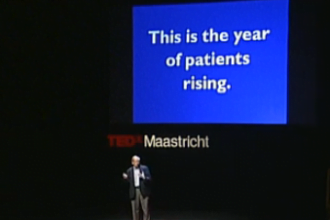
If you were to take everything you read at face value, all physicians and hospitals would need to engage patients is a patient or member web-based portal. I guess the idea is if you build it…they will come. But there is a HUGE FATAL FLAW in that logic:
Successful patient engagement is predicated upon the existence of a strong, trusting, mutually satisfying relationship between the patient and their physician.
Strong, trusting physician-patient relationships are becoming harder and harder to develop and maintain these days…for both patients and providers. Poor physician communication skills, e.g., physician-directed communications, have been cited in the literature over last 30 years as a major barrier to more satisfying and productive physician-patient relationships. Poor communication also tops the list of patient complaints about their doctors. Not surprisingly, many patients find it easier to “get by” in an OK relationship with a primary care provider than seek a provider with a more engaging demeanor.
The Link Between Patient Use Of Engagement Tools And The Physician-Patient Relationship
So What Does A Strong, “Engaging” Physician-Patient Relationship Look Like?
Here’s my short list;
- Patients and providers like, respect, and trust each other
- Patients and providers are interested in and take the time to listen to where each other is coming from, e.g., their beliefs, concerns, etc.
- There is a high degree of agreement between patients and providers as to the visit agenda, diagnosis, treatment, and self-care options.
- Providers’ employ patient-centered communication skills
Imagine yourself in a relationship with a provider who simply doesn’t seem to dedicate much time or place much importance on the above traits. How likely would you be to spend your valuable time-sharing personal health information with someone who never exhibited any interest when you attempted to share the same information in the past?
The Take Away
Don’t get so wrapped up in the promise of the latest health information technologies that you lose sight of what’s really important to patient engagement, outcomes and patient/provider satisfaction – the physician-patient relationship
That’s what I think…what’s your opinion?