

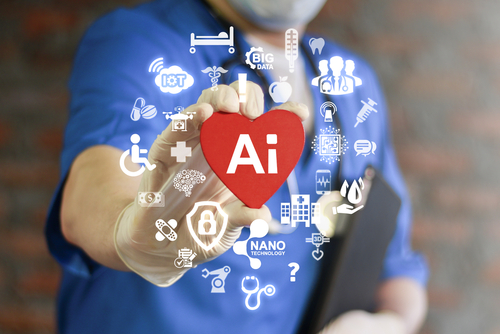
The field of healthcare is undergoing a number of changes. New research is driving the majority of these developments. Machine learning is making major advances in this field. Quotient Health, a healthcare agency in Denver, is one of the organizations making this point. KenSci is another healthcare organization using machine learning. They have discovered that it is a great technology for predicting the likelihood of illness. A growing number of healthcare organizations have found that machine learning is playing a vital role in reducing electronic medical record costs. However, new findings in old research are also playing a role in advancing the field of medicine.
Healthcare Finds a Surprising Application of Machine Learning
Machine learning is one of the biggest developments in the field of medicine. Health IT Analytics cited data showing that the market for artificial intelligence in the field of healthcare would grow to $34 billion by 2025. A few months later, a new study pegged that figure at around $36 billion. Medicine has come a long way from chanting and bloodletting. Today, many common conditions that decimated the population over the centuries have become treatable or even curable, and new treatments and methods are being developed as we speak. Of course, today’s scientists can rely on a huge pile of information gathered over the centuries – they can use the knowledge accumulated by their predecessors to reach new conclusions, expand knowledge even more, and find new treatments to existing diseases and conditions. In the age of easily accessible medical libraries and smartphone apps that help detect depression, scientists seem to have a brand new ally: artificial intelligence.
The new AI assistant
“Artificial intelligence” is not what is described in the works of science fiction authors and popular movies: it’s not a sentient entity “living” inside a computer or a network but rather a smart piece of code that can learn and apply what it learned to do tasks that are more complex than we can imagine. It can be used in a vast variety of ways: it is used in areas from manufacturing to law, and even medicine. Currently, AI is used or is being researched for use in areas from record keeping to radiology and medical imaging but it could one day find its role in areas like telehealth, the medical industry, and other areas. And, apparently, as a research assistant as well.
Discoveries lost and found
A team of researchers from the U.S. Department of Energy’s Lawrence Berkeley National Laboratory has let a new algorithm loose on millions of old scientific papers. These papers are pretty hard to analyze for the average human because they are mostly paper-based. While rummaging through the materials it was fed, the algorithm was able to predict the discovery of a series of thermoelectric materials (that were, in the meantime, discovered by human scientists) without any existing training in materials science. All this by only analyzing the information contained in old scientific papers. This achievement suggests that AI could be used to review scientific papers from the past and make new connections, uncover new knowledge that was there all along but concealed by the sheer volume of information. Scientists have been producing papers for ages, filled with bits and pieces of information that would be very hard for a human mind to piece together. This is where the researchers’ new algorithm comes in: it is able to process information in a way that goes beyond natural language processing and preserves the syntactic and semantic relationships of the terms. The researchers fed the AI 3.3 million abstracts from scientific papers published between 1922 and 2018. “Without telling it anything about materials science, it learned concepts like the periodic table and the crystal structure of metals,” team leader and paper co-author Anubhav Jain said in a statement. “That hinted at the potential of the technique. But probably the most interesting thing we figured out is, you can use this algorithm to address gaps in materials research, things that people should study but haven’t studied so far.” While AI will not be able to formulate hypotheses on its own anytime soon, it can prove to be an invaluable help in analyzing the content of scientific papers and finding connections that would potentially elude human scientists, helping science and medicine to progress faster than today.
More Read
Machine Learning is Transforming Healthcare with Old Research
Machine learning is driving new developments in the field of healthcare. The Department of Energy has shown that we don’t even need to conduct new research. We can use machine learning and AI to look at old healthcare studies and find new conclusions.

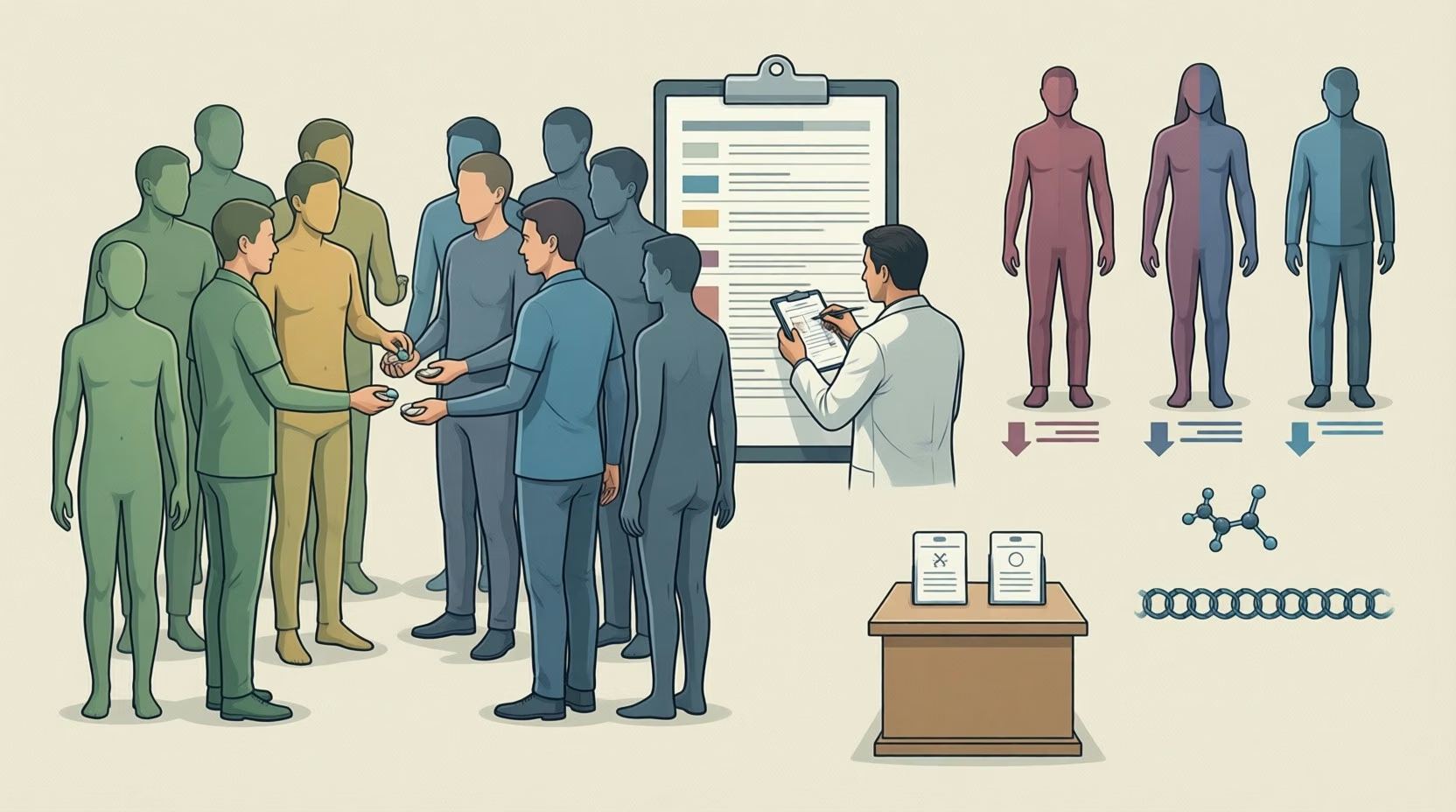
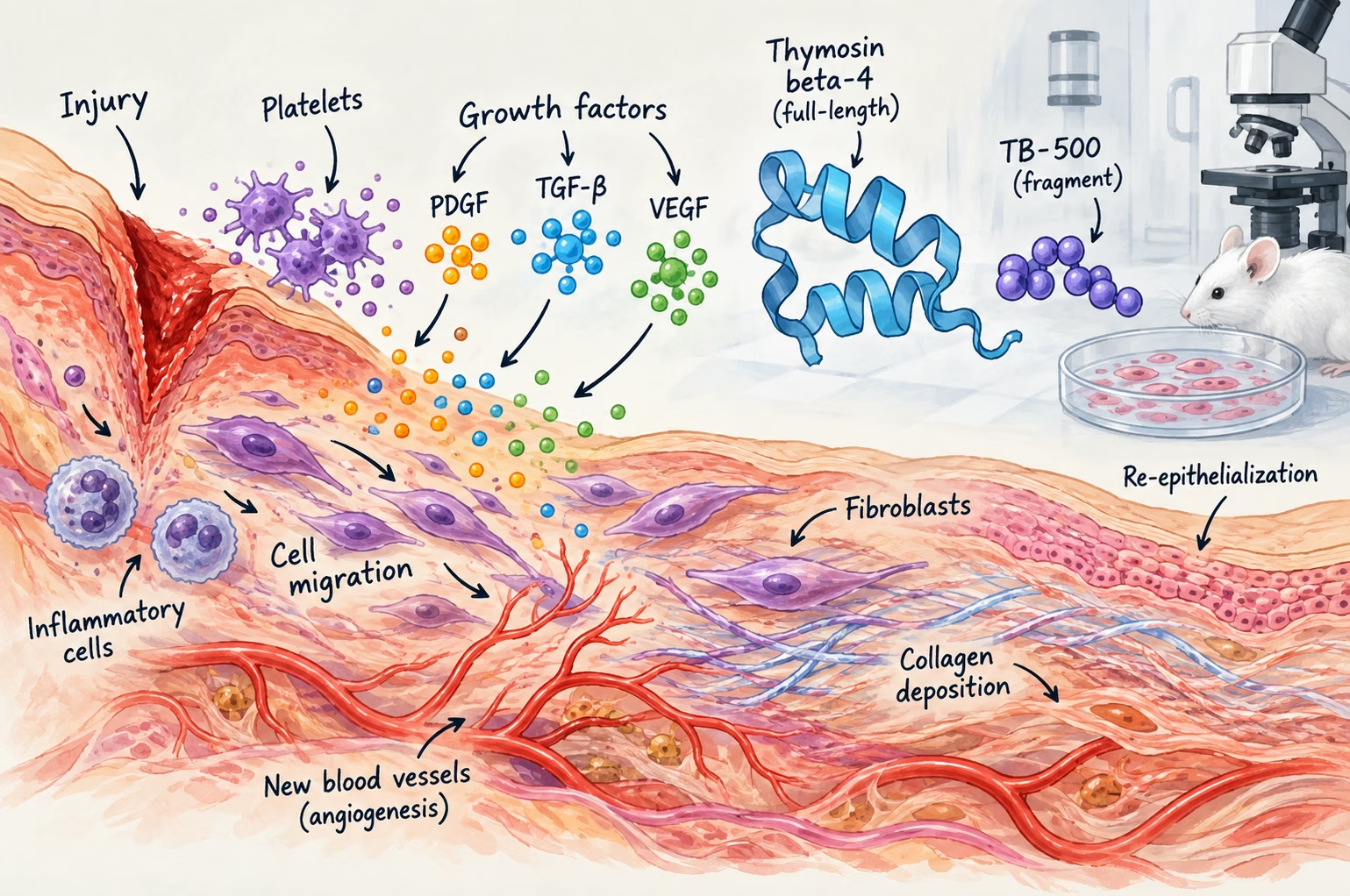

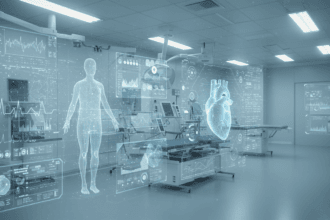

 advances medicine by looking into past scientific studies for new discoveries that can make a difference.)