By using this site, you agree to the Privacy Policy and Terms of Use.
Accept
Health Works CollectiveHealth Works CollectiveHealth Works Collective
  • Health
    • Mental Health
  • Policy and Law
    • Global Healthcare
    • Medical Ethics
  • Medical Innovations
  • News
  • Wellness
  • Tech
Search
© 2023 HealthWorks Collective. All Rights Reserved.
Reading: Botox Approved for Overactive Bladder Treatment
Share
Notification Show More
Font ResizerAa
Health Works CollectiveHealth Works Collective
Font ResizerAa
Search
Follow US
  • About
  • Contact
  • Privacy
© 2023 HealthWorks Collective. All Rights Reserved.
Health Works Collective > Technology > Medical Innovations > Botox Approved for Overactive Bladder Treatment
Medical InnovationsWellness

Botox Approved for Overactive Bladder Treatment

Anthony Cirillo
Anthony Cirillo
Share
1 Min Read
Image
SHARE

The word is leaking out. Botox may soon be a treatment of choice for urinary incontinence.

The word is leaking out. Botox may soon be a treatment of choice for urinary incontinence. (Sorry!) ImageThe Food and Drug Administration recently approved onabotulinumtoxinA, manufactured under the name Botox by Allergan Inc., as a treatment for overactive bladder, following two clinical trials involving more than 1,100 patients.
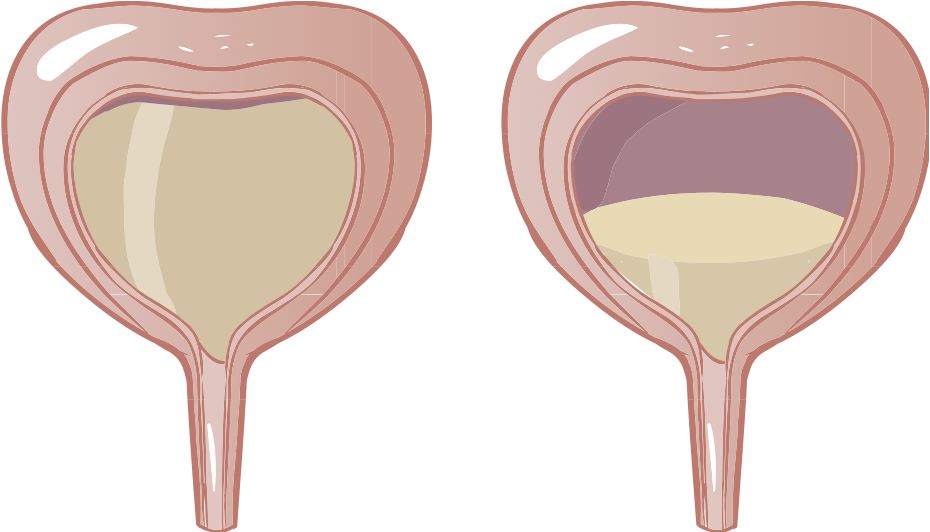
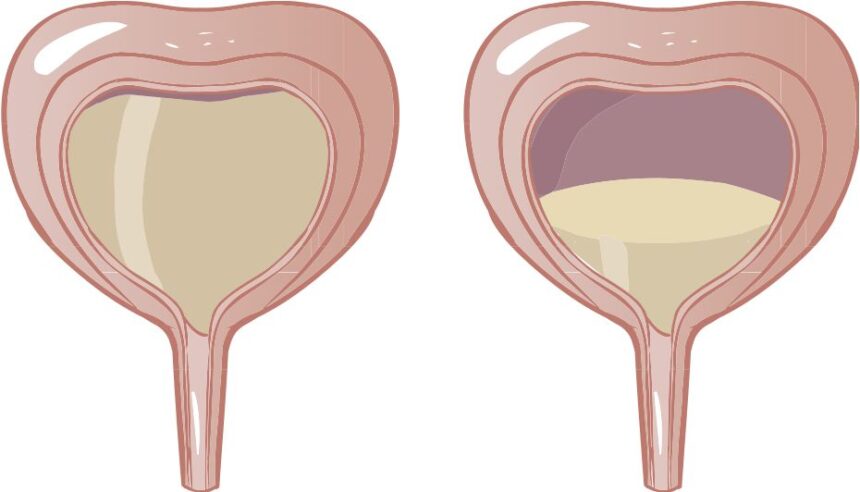
Study participants whose bladder muscles received Botox injections showed between 1.6 and 1.9 times fewer episodes of urinary incontinence daily compared with those who received a placebo injection, according to the FDA. Botox recipients also had less frequent urges to urinate and produced more urine than people who received a placebo. The treatment works by relaxing the bladder muscle, thereby increasing the bladder’s storage capacity.

“Clinical studies have demonstrated Botox’s ability to significantly reduce the frequency of urinary incontinence,” said Hylton V. Joffe, M.D., director of the Division of Reproductive and Urologic Products in FDA’s Center for Drug Evaluation and Research. “Today’s approval provides an important additional treatment option for patients with overactive bladder, a condition that affects an estimated 33 million men and women in the United States.”


More Read

health technology
Crossing the Chasm with Connectivity
Overcoming Trauma And PTSD With Mindful Practices
6 Great Ways to Keep the Crib Safe and Warm for Your Baby
HIMSS 2013: Mayhem or Magic?
Roche’s Proposed Takeover of Illumina—Game On for Universal DNA Sequencing?

TAGGED:botoxoveractive bladder
Share This Article
Facebook Copy Link Print
Share

Stay Connected

1.5KFollowersLike
4.5KFollowersFollow
2.8KFollowersPin
136KSubscribersSubscribe

Latest News

How Online Therapy Is Improving Mental Health Outcomes
Therapy
February 6, 2026
fight againt cancer
Breakthroughs in RNA Sequencing Provide New Insights in the Fight Against Cancer
Cancer News Specialties
February 1, 2026
aging in modern healthcare
Why Aging in Place Is Becoming a Cornerstone of Modern Healthcare
Global Healthcare Senior Care
January 29, 2026
Mental Health EHR
What Are the Core Features of a Mental Health EHR?
Mental Health Therapies
January 28, 2026

You Might also Like

5 Healthcare Industry Issues of 2016

January 25, 2016
Home HealthWellness

5 Health Benefits of Keto Diet

August 3, 2018
SpecialtiesWellness

Zinc and Testosterone – Does Zinc Support Testosterone Levels?

June 29, 2019

Microsoft Innovation Awards 2011

March 11, 2011
Subscribe
Subscribe to our newsletter to get our newest articles instantly!
Follow US
© 2008-2025 HealthWorks Collective. All Rights Reserved.
  • About
  • Contact
  • Privacy
Go to mobile version
Welcome Back!

Sign in to your account

Username or Email Address
Password

Lost your password?