The brain grows rapidly during childhood. This growth depends on many factors, and nutrition is one of the most important. The foods children eat help build brain cells, support memory, and influence mood. Poor nutrition can slow development, while balanced meals support learning and daily function.
Key Nutrients for Brain Growth
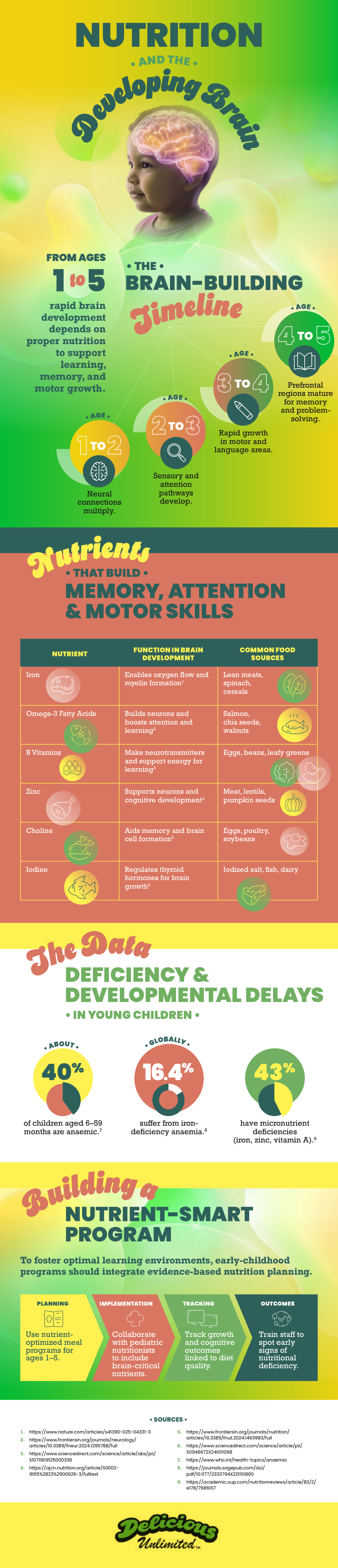
Certain nutrients play a direct role in brain development. Protein supports the formation of brain cells and tissues. Healthy fats, especially omega-3 fatty acids, help build connections between cells that are needed for learning and memory.
Iron is also important. It carries oxygen to the brain and supports attention and energy. Low iron levels can affect focus and behavior. Other nutrients, such as zinc and B vitamins, help the brain process information and communicate effectively. Foods like fish, eggs, beans, whole grains, and leafy greens provide many of these nutrients. A varied diet helps cover a wide range of needs.
The Role of Daily Eating Habits
Consistent eating patterns support steady brain function. Regular meals help maintain stable blood sugar levels, which affect energy and focus. Children who skip meals may struggle with attention and mood during the day.

Breakfast is especially important. It provides the brain with energy after a night of rest. Even a simple meal can help improve concentration in school.
Caregivers can support these habits by offering balanced meals and limiting highly processed foods. Routine meal times also help children feel more secure and prepared for daily activities.
Nutrition and Learning Performance
There is a strong link between nutrition and academic performance. Children who eat balanced meals are more likely to stay focused and complete tasks. They often show better memory and problem-solving skills.
Hydration also plays a role. Even mild dehydration can affect attention and learning. Encouraging children to drink water throughout the day supports brain function.
Schools can support nutrition through structured meal programs. Working with a catering company for schools can help provide consistent, balanced meals that meet student needs.
Long-Term Effects on Brain Health
Nutrition affects brain health beyond childhood. Healthy eating patterns can support cognitive function as children grow into adulthood. Diets rich in fruits, vegetables, and healthy fats are linked to better memory and focus over time.
On the other hand, diets high in added sugars and processed foods may affect attention and behavior. These patterns can continue into later life if not addressed early. Teaching children to make healthy food choices helps build a strong foundation for future health.
Nutrition plays a key role in how the brain develops and functions. Balanced meals provide the building blocks for learning, focus, and emotional stability. With support from families and schools, children can develop habits that support both daily performance and long-term brain health. Check out the infographic below to learn more.