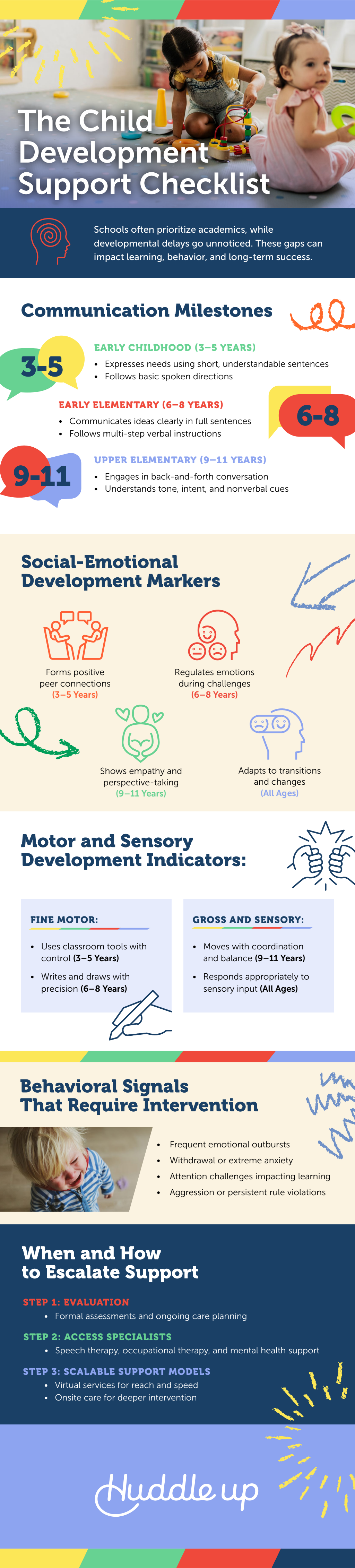
Child development involves physical growth, communication skills, emotional regulation, learning ability, and social interaction. Every child develops at a different pace, though consistent support during early years can help strengthen long-term health and learning outcomes.
Monitor Communication and Language Skills
Language development is one of the clearest indicators of early childhood progress. Children gradually build vocabulary, sentence structure, listening ability, and conversational skills as they grow. Caregivers should pay attention to whether children respond to sounds, follow directions, ask questions, and communicate needs clearly for their age group. Reading regularly, speaking directly with children, and encouraging conversation may support stronger language development over time.
Support Physical Development
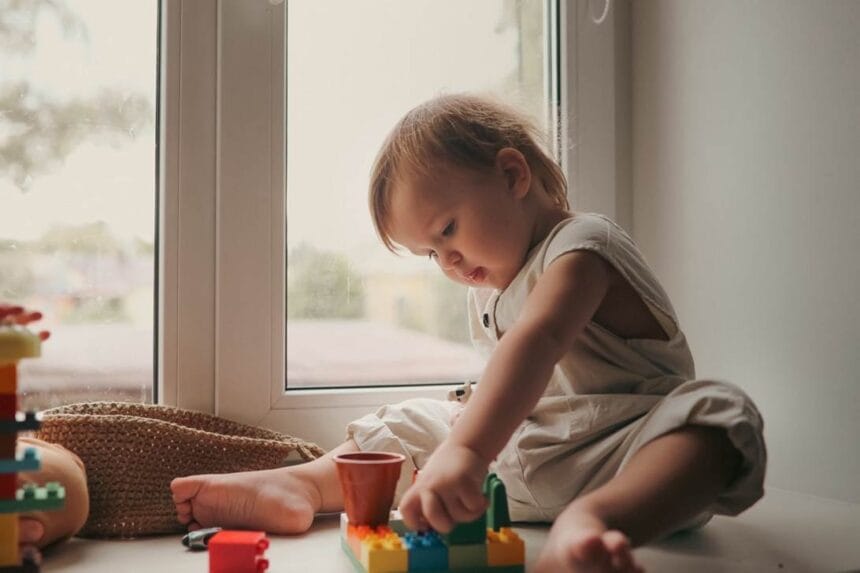
Physical development includes balance, coordination, movement, and fine motor skills such as drawing, writing, or handling small objects. Active play supports muscle strength, coordination, and overall physical health. Children also benefit from regular sleep, balanced nutrition, and routine medical care during developmental years.
Delays involving walking, coordination, or hand movement may sometimes signal developmental concerns that require professional evaluation. Regular observation helps caregivers recognize whether physical milestones appear age-appropriate.

Encourage Emotional and Social Growth
Children develop emotional skills gradually through interaction with family members, teachers, and peers. Healthy emotional development often includes learning how to manage frustration, express feelings appropriately, share attention, and build relationships with others.
Consistent routines and supportive communication may help children feel more secure during periods of growth and change. Behavior changes, withdrawal, or ongoing difficulty interacting socially may sometimes indicate that additional support is needed.
Track Academic and Learning Progress
Learning development includes attention span, memory, problem-solving, and classroom participation. Teachers and caregivers should monitor whether children are keeping pace with expected academic skills while remaining engaged during learning activities.
Schools may provide additional educational support when developmental or learning challenges affect classroom performance. Some educational teams use an IEP platform to organize goals, accommodations, and communication related to individualized learning support plans. Early intervention often improves long-term educational outcomes for children needing additional assistance.
Maintain Regular Communication With Professionals
Pediatricians, teachers, therapists, and school staff all provide valuable insight into child development. Open communication between caregivers and professionals may help identify concerns earlier while supporting more consistent developmental support across home and school environments. Documentation of developmental milestones, behavior changes, and learning concerns can also help healthcare providers evaluate progress more accurately.
Child development involves many areas working together, including communication, movement, emotional health, and learning ability. Regular observation, supportive routines, and early attention to developmental concerns can help children build stronger long-term outcomes. Families and healthcare professionals who work together consistently are often better positioned to support healthy childhood growth and learning progress over time.