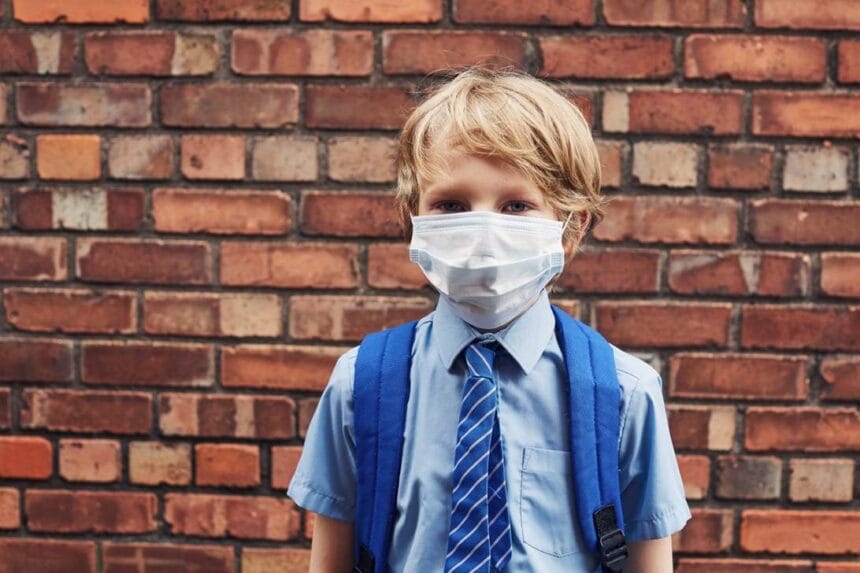
Schools bring large groups of students, teachers, and staff together in shared spaces every day. With so many people using the same classrooms, supplies, and equipment, germs can spread quickly throughout a school environment. Identifying high-contact areas helps schools and families take better steps to reduce illness and improve daily health habits.
Shared Classroom Supplies
Desks, pencils, markers, keyboards, tablets, and classroom materials are handled repeatedly by multiple students throughout the day. Young children, especially, may forget to wash their hands regularly before eating or after coughing and sneezing. Germs can remain on shared surfaces for hours, depending on the material and environment. Teachers and school staff often reduce illness risk by cleaning commonly used items regularly and encouraging proper handwashing during class transitions.
Cafeterias and Water Fountains
School cafeterias experience constant traffic during lunch periods. Tables, trays, vending machines, refrigerator handles, and condiment stations are touched repeatedly within short periods of time. Water fountains and bottle-filling stations also create frequent contact points for students across different grade levels. Encouraging students to wash their hands before meals and use reusable water bottles may help reduce the spread of illness during the school day.
Bathrooms and Locker Rooms
Bathrooms and locker rooms remain some of the highest germ traffic areas inside schools due to moisture, shared surfaces, and frequent use. Door handles, sink faucets, soap dispensers, and locker handles often collect bacteria and viruses throughout the day.
More Read

Regular cleaning schedules and proper hygiene education play major roles in reducing contamination in these spaces. Many schools also rely on professional commercial cleaning services to help maintain sanitation standards in high-traffic areas.
School Buses and Common Areas
School buses, hallways, libraries, and gymnasiums also experience heavy daily contact between students. Bus seats, railings, shared sports equipment, and library computers may all contribute to germ transmission if surfaces are not cleaned consistently. Students who stay home when sick also help reduce illness spread throughout shared environments.
Schools experience constant exposure to germs because of high daily traffic and shared spaces. Classrooms, cafeterias, bathrooms, buses, and locker rooms all create opportunities for bacteria and viruses to spread quickly among students and staff. Regular cleaning, handwashing habits, and illness prevention practices can help schools reduce health risks while supporting safer learning environments throughout the year. Look over the infographic below for more information.