By using this site, you agree to the Privacy Policy and Terms of Use.
Accept
Health Works CollectiveHealth Works CollectiveHealth Works Collective
  • Health
    • Mental Health
  • Policy and Law
    • Global Healthcare
    • Medical Ethics
  • Medical Innovations
  • News
  • Wellness
  • Tech
Search
© 2023 HealthWorks Collective. All Rights Reserved.
Reading: Car Accident? Think Brain Injury!
Share
Notification Show More
Font ResizerAa
Health Works CollectiveHealth Works Collective
Font ResizerAa
Search
Follow US
  • About
  • Contact
  • Privacy
© 2023 HealthWorks Collective. All Rights Reserved.
Health Works Collective > Specialties > Car Accident? Think Brain Injury!
Specialties

Car Accident? Think Brain Injury!

CWSonline
CWSonline
Share
3 Min Read
car accidents and traumatic brain injuries
SHARE

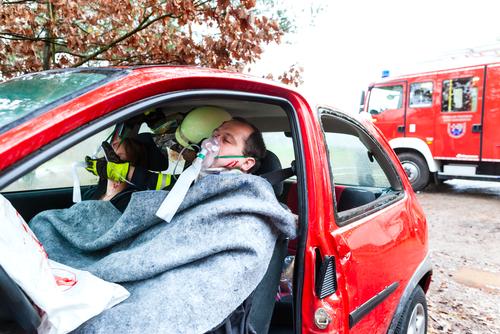
Every day, motorists are at a high risk of getting involved in a car accident. Tens of thousands of car accidents happen each year resulting in the deaths of many motorists. According to the the National Highway Traffic Safety Administration, an average of 30,000 people are killed in car accidents each year. Drivers and passengers who survive major car accidents are not safe from different types of life-altering injuries, like a Traumatic Brain Injury (TBI).

According to the Centers for Disease Control and Prevention (CDC), about 1.7 million people sustain a TBI each year, and one of the leading causes? You guessed it – car crashes. Serious car accident victims are at risk of sustaining a TBI because their heads are exposed to the forceful impact of the crash. A person can suffer from a TBI when his head gets hit by an abrupt force. The force can cause the brain to bruise or blood vessels to rupture, leaking into the skull cavity. This causes the loss of much needed oxygen to the brain and if this is not treated promptly, could result in severe or even fatal brain damage. According to a personal injury lawyer David Boehrer Law, If you are in, or witness a car accident, be vigilant for early signs of Traumatic Brain Injuries and know the signs.

Classic early signs & symptoms of a TBI may include: • Loss of consciousness • Unequal pupils • Spinal fluid secretion from ears or nose • Inability to focus vision • Balancing problems • Dizziness & light headedness • Difficulty breathing • Persistent vomiting

Late appearing signs & symptoms of a TBI may include: • Recurring headaches • Difficulty hearing • Mood swings, irritability, improper anger, and frustration • Slowing pulse rate • Difficulty in processing of thoughts • Tiredness or lethargy • Bruising around both eyes and/or behind the ears • Anterograde amnesia • Widening blood pressure • Erratic respirations Anyone who shows the signs and symptoms of a Traumatic Brain Injury (especially anyone who was involved in a motor vehicle accident) should go to the hospital immediately! Seek a physician’s advice when it comes to treatment and rehabilitation – don’t just ignore the signs!


More Read

Meaningful Use Guide for Radiology
4 Ways to Eat Healthy on the Road and Still Perform at Your Best
8 Reasons Why Travel Is The Secret To A Healthy Life
RSNA 2013: Mobile Connect—Image Viewers and Patient Access for Radiology
What’s In? What’s Out? The Popularity Contest in Psychiatric Drug Use
TAGGED:C-spinecar accidentCDCcrashhead injuriesMVANHTSAspineTBItraumatic brain injuries
Share This Article
Facebook Copy Link Print
Share

Stay Connected

1.5KFollowersLike
4.5KFollowersFollow
2.8KFollowersPin
136KSubscribersSubscribe

Latest News

Career Mobility in the Modern Nursing
The Growing Importance of Career Mobility in the Modern Nursing Workforce
Career Nursing
January 18, 2026
advancement in nursing career
How Nursing Leadership Shapes Organizational Culture and Patient Outcomes
Global Healthcare Nursing
January 18, 2026
woman in pink long sleeve shirt sitting on gray couch
Understanding Divorce Law and the Role of Attorneys in Family Disputes
Policy & Law
January 14, 2026
Redefining Romance: How Care and Presence Are Showing as Big Gestures
lifestyle
January 9, 2026

You Might also Like

Would Increased Reimbursement And Longer Visits Improve Physician-Patient Communications?

October 25, 2012
national-cancer-institute-701-FJcjLAQ-unsplash
Eye CareSpecialties

FAQs To Empower You with Information About LASIK Eye Surgery

December 18, 2020

7 Ways Caregivers Can Prevent Readmissions

October 17, 2013
Image
Specialties

Person-Centered HealthCare: Medication Adherence

April 19, 2013
Subscribe
Subscribe to our newsletter to get our newest articles instantly!
Follow US
© 2008-2025 HealthWorks Collective. All Rights Reserved.
  • About
  • Contact
  • Privacy
Go to mobile version
Welcome Back!

Sign in to your account

Username or Email Address
Password

Lost your password?