We use cookies, including third-party cookies from Google to serve personalized ads through AdSense, to operate this site and understand how it is used. By continuing to browse, you accept this use. See our Privacy Policy and Terms of Use for details, including how to opt out of personalized advertising.
Accept
Health Works CollectiveHealth Works CollectiveHealth Works Collective
  • Health
    • Mental Health
  • Policy and Law
    • Global Healthcare
    • Medical Ethics
  • Medical Innovations
  • News
  • Wellness
  • Tech
Search
© 2023 HealthWorks Collective. All Rights Reserved.
Reading: Care Management in the Digital Age: The Advantages of Real-Time Patient Data in the Home
Share
Notification Show More
Font ResizerAa
Health Works CollectiveHealth Works Collective
Font ResizerAa
Search
Follow US
  • About
  • Contact
  • Privacy
© 2023 HealthWorks Collective. All Rights Reserved.
Health Works Collective > Wellness > Home Health > Care Management in the Digital Age: The Advantages of Real-Time Patient Data in the Home
Home Health

Care Management in the Digital Age: The Advantages of Real-Time Patient Data in the Home

eCaring
eCaring
Share
3 Min Read
SHARE

Reducing Hospital Readmissions, Promoting Collaboration, and Keeping
Patients At Home

Reducing Hospital Readmissions, Promoting Collaboration, and Keeping
Patients At Home

Generating real-time data from a patient’s home is an integral component of providing comprehensive care management. New technologies that enhance management and coordination of care for seniors and patients with chronic conditions will become indispensable tools supporting care management models. As the digital communication of healthcare information becomes ubiquitous, using technology within a home-based care management model is key to optimizing care quality, easing the burden of overwhelming caseloads, and reducing costs.

While a patient may spend a few hours in a doctor’s office and several days in the hospital, the majority of a patient’s time is spent at home. In-home technologies that provide digital health monitoring and tracking enable care managers to monitor patients and respond to their conditions in real time, supporting care coordination that focuses on providing the most appropriate response at the lowest cost. For example, the eCaring in-home health record system enables home care aides, family caregivers, and patients themselves to enter enormous amounts of real-time healthcare data, regardless of their computer skills or healthcare literacy. This information ranges from medication intake and vital signs to daily routines and even state of mind.

More Read

Sensors and Smartphones Bring the Baby Monitor Into 2013
How Much Can We Demand of Consumer Connected Health?
Why Primary Care Physicians Are the Next Phase in CCRC Care
Mobile Health Around the Globe: Healthcare Technology in the 21st Century
Homegrown Plants That Are Proven to Benefit Your Health!

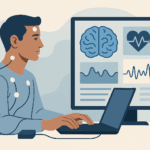
In essence, digital tools that capture such comprehensive information help establish a baseline for normal functioning. Deviations from this baseline can then be tracked on a moment-to-moment basis. Web-based dashboards with a patient’s health status and care patterns can be easily viewed, analyzed, and acted upon by the care team  – all in real time. Also, the system can alert case managers of significant events, such as a fall, repeated meal refusal, dangerous weight gain or blood sugar increases, prompting an immediate response.

Being able to monitor a patient’s vital signs, compliance with plans of care, and adherence to medications enables better control of chronic conditions and early intervention. This knowledge prevents further deterioration and also allows case managers to improve the quality of services provided to clients and manage their caseloads more effectively.

With all these factors in mind, we can expect that a digital healthcare record from the home of a senior or a person with a chronic condition will radically change healthcare outcomes for the better.

Read the full article in this month’s issue of Dorland Health‘s Case in Point magazine.


TAGGED:remote monitoring
Share This Article
Facebook Copy Link Print
Share

Stay Connected

1.5KFollowersLike
4.5KFollowersFollow
2.8KFollowersPin
136KSubscribersSubscribe

Latest News

What Geographic and Specialty Variation Reveals About How Nursing Compensation Actually Works -- AI-generated illustration
What Geographic and Specialty Variation Reveals About How Nursing Compensation Actually Works
Career Nursing
August 27, 2026
Could Poor Ventilation Be Behind Your Afternoon Headaches?  -- AI-generated illustration
Could Poor Ventilation Be Behind Your Afternoon Headaches? 
Health
August 27, 2026
The Myth That Keeps People Stuck -- AI-generated illustration
The Myth That Keeps People Stuck
Addiction Recovery
August 25, 2026
What Hospitals Need to Know About EU MDR -- AI-generated illustration
What Hospitals Need to Know About EU MDR
Business Hospital Administration
August 18, 2026

You Might also Like

Home HealthWellness

10 Tips For A Healthy, Eco-Friendly Back To School Season

April 30, 2019

Kinect Technology – A Grocery Cart that Can Follow The Wheelchair

June 5, 2011

Kindred Healthcare Inc. To Pay $125 Million to Settle Allegations of False Claims

February 9, 2016
Home HealthWellness

Experiencing Chronic Pain, Try These Alternatives

March 28, 2018
Subscribe
Subscribe to our newsletter to get our newest articles instantly!
Follow US
© 2008-2026 HealthWorks Collective. All Rights Reserved.
  • About
  • Contact
  • Privacy
Welcome Back!

Sign in to your account

Username or Email Address
Password

Lost your password?