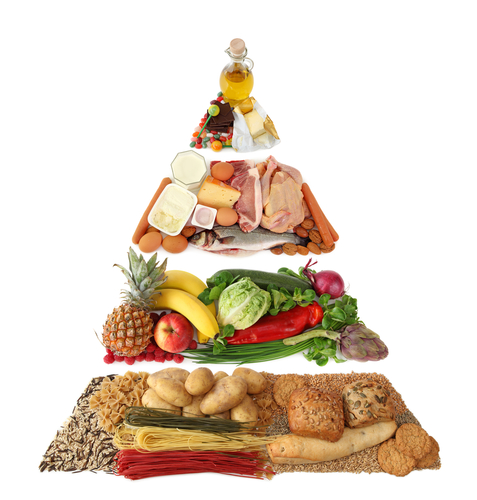
I had my first cultural shock in this country in a supermarket. For the first time, I saw so many types of milk and yogurt. I had no idea what “1%” and “2%” meant on milk boxes. I also had a hard time understanding how come the country has 35.7% obesity rate when there are so many “fat-free” food items.
If the million choices in food are not enough, then you have daily stories in the media about things you should eat, ingredients you should avoid, dishes you need to swap, supplements you better start taking…
I had my first cultural shock in this country in a supermarket. For the first time, I saw so many types of milk and yogurt. I had no idea what “1%” and “2%” meant on milk boxes. I also had a hard time understanding how come the country has 35.7% obesity rate when there are so many “fat-free” food items.
If the million choices in food are not enough, then you have daily stories in the media about things you should eat, ingredients you should avoid, dishes you need to swap, supplements you better start taking…
More Read

I kept wondering: should the capability to pick the right food be a natural skill that we, as humans, are all born with?
A few weeks ago, a New York Times article wrote of a study about a new pathway that links heart disease to carnitine, a substance in high concentrations in red meat. So red meat is once again off the table. I stopped eating red meat on a regular basis after taking a course from Yale’s Kelly Brownell. But the main reason is not because I worried about my cholesterol but because red meat is bad for the environment. Then last week, The New England Journal of Medicine warned us, eggs, too, may provoke bacteria to raise heart risk!
I have great respect for researchers focused on food and diet. But as similar studies keep emerging as a result of our capability to analyze everything we have been eating for thousands of year on a micro level, I can’t stop wondering: are we a bit too obsessed with food science?
I am a strong believer that science makes us stronger. But the origin of many pressing public health problems we are facing today—obesity, diabetes, cardiovascular disease—may not be the food itself but the environment where the food is produced. A fact is that that environment has significantly changed over the last few decades.
You may be just fine if you eat beef every day when you work in a farm. But now you have a much better chance of having a heart attack because you work in an office, which is much more sedentary. Meanwhile, the meat itself may also have changed. Cows used to eat grass and were raised in real farms. But most of the beef you get from grocery stores nowadays is from cows fed with seeds in factory-like facilities where the use of antibiotics and hormones is common. Therefore the meat quality is also different.
Results of scientific studies are important, but from a public health perspective, what’s more important is to offer context to people who don’t have the expertise to interpret data and translate the results into something people can easily understand and take action. However, if you follow news about food research closely, you may be left with few choices when you go grocery shopping. The media is good at calling out problematic food items but it offers little insights into how we as consumers should respond to those studies. As we are struggling to pick the healthiest foods from the supermarket, we forget eating is one of the fundamental human needs and sources of pleasure. If we are not happy about thing we put in our mouth, something is wrong.
There is probably one person in this country who understands this more than anybody else. Michael Pollan, the author of In Defense of Food (one of my favorite books), has given us the perfect answer: Eat food. Not too much. Mostly plants. I call it the Commonsense Diet. Eating healthy is like in a good relationship–it shouldn’t be that hard. Use some common sense (vegetables and fruits are always good for you; exercising makes everyone stronger) and have some eggs or steak once in a while won’t kill you.
image: nutrition/shutterstock