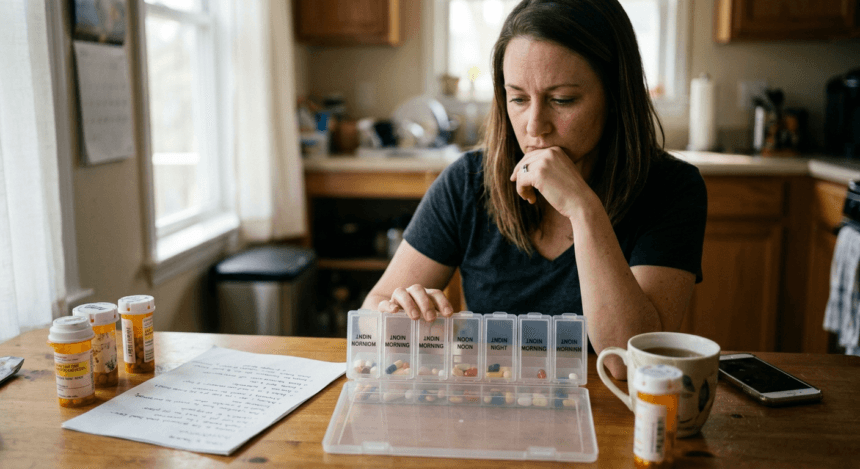
If you’re navigating recovery from substance use while also managing other health conditions, you’re facing a challenge that requires careful attention and honest communication with your healthcare providers. The intersection of prescription medications, lifestyle choices, and recovery creates a landscape that demands both awareness and action. Understanding how different substances—including prescribed medications—interact with alcohol and other drugs isn’t just about reading warning labels. It’s about protecting the progress you’ve worked so hard to achieve.
- Why Medication Interactions Matter More in Recovery
- The Hidden Dangers of “Just One Drink” While on Medication
- Navigating Healthcare When You Have a History of Substance Use
- The Role of Support Systems in Medication Management
- Understanding the Broader Context of Treatment Decisions
- Practical Strategies for Safe Medication Management
- Recognizing and Responding to Warning Signs
- The Importance of Mental Health Integration
- Building Long-Term Success Through Education and Advocacy
- Moving Forward with Confidence and Caution
Young adults in Ohio and across the country often find themselves managing multiple health concerns simultaneously. Perhaps you’re dealing with acne severe enough to warrant prescription treatment while also working through early recovery. Maybe you’re taking medications for anxiety or depression while learning to navigate social situations without alcohol. These overlapping health needs create situations where knowledge becomes your most powerful tool.
Why Medication Interactions Matter More in Recovery
When you’re in recovery, your relationship with substances—all substances—changes fundamentally. Your body is healing from the effects of previous use, your brain chemistry is rebalancing, and your liver and other organs are working to restore normal function. This healing process makes you more vulnerable to complications from medication interactions that might seem minor to someone without a history of substance use.
Consider how your liver processes both medications and alcohol. When you introduce multiple substances that require liver metabolism, you’re essentially asking one organ to juggle several demanding tasks simultaneously. For someone in recovery, whose liver may already be working to repair previous damage, this additional burden can lead to serious complications. The medications you take for legitimate health concerns—whether that’s isotretinoin for severe acne, antibiotics for an infection, or antidepressants for mental health—all require your liver’s attention.

The challenge intensifies because some medications carry their own risks of mood changes, depression, or other mental health effects. When you’re building a foundation of sobriety, these side effects can feel particularly destabilizing. You might wonder whether what you’re experiencing is a normal part of recovery, a medication side effect, or something that requires immediate attention. This uncertainty is exactly why open communication with your healthcare team becomes non-negotiable.
The Hidden Dangers of “Just One Drink” While on Medication
You’ve probably heard people casually mention having a drink while taking various medications, minimizing the warnings as overly cautious. In recovery, this casual attitude toward mixing substances can be especially dangerous—not just because of the physical risks, but because it can trigger patterns of thinking that undermine your sobriety.
When you’re taking powerful medications like isotretinoin, the physical risks of alcohol consumption become significantly elevated. Your liver faces increased strain, your risk of pancreatitis rises, and the potential for severe mood changes multiplies. But beyond these physical dangers lies something equally concerning: the rationalization that begins with “just one drink won’t hurt.”
This thinking pattern represents a slippery slope that many people in recovery recognize. It starts with minimizing one risk, then extends to others. Before long, you might find yourself making compromises that seemed unthinkable when you first committed to recovery. The truth is that protecting your sobriety means taking every warning seriously, even when others around you don’t seem concerned.
Navigating Healthcare When You Have a History of Substance Use
One of the most challenging aspects of managing medications in recovery is the conversation with healthcare providers who may not specialize in addiction medicine. You might worry about being judged, having treatment options limited, or being labeled as “non-compliant” if you express concerns about certain medications. These fears are valid, but keeping your history hidden creates even greater risks.
When you meet with a dermatologist, primary care physician, or specialist, disclosing your recovery status allows them to make informed decisions about your treatment. Some medications that might be appropriate for others could pose specific risks for you. For instance, certain pain medications, sleep aids, or anti-anxiety drugs might trigger cravings or represent relapse risks. Your healthcare provider can’t factor these considerations into their treatment plan if they don’t know your full history.
If you’re concerned about stigma or judgment, consider seeking providers who have experience working with people in recovery. Many healthcare systems now have integrated behavioral health services, meaning your physical and mental health care can be coordinated. In Ohio, where the opioid crisis has touched nearly every community, many healthcare providers have developed greater sensitivity and expertise in working with patients in recovery.
The Role of Support Systems in Medication Management
Your recovery support system—whether that includes family members, sponsors, therapists, or peers from support groups—can play a crucial role in helping you navigate medication management safely. These trusted individuals can help you stay accountable, recognize warning signs, and maintain perspective when you’re dealing with challenging side effects or health concerns.
Consider sharing your medication information with key people in your support network. If you’re taking a medication that carries risks of mood changes or depression, having someone who can check in with you regularly provides an extra layer of safety. They can help you distinguish between normal adjustment periods and signs that something requires medical attention. They can also remind you of your reasons for staying sober when you’re feeling frustrated with treatment restrictions.
This transparency might feel uncomfortable initially, especially if you’re someone who values independence and privacy. However, recovery often requires us to recalibrate our relationship with autonomy and vulnerability. Asking for help and accepting support isn’t weakness—it’s wisdom. It demonstrates that you understand the stakes and you’re willing to do whatever it takes to protect your recovery.
Understanding the Broader Context of Treatment Decisions
When you’re weighing treatment options for various health conditions, it helps to understand the broader landscape of addiction treatment and recovery support. The field has evolved significantly in recent years, with more providers recognizing that people in recovery need comprehensive, coordinated care that addresses all aspects of their health.
In some regions, finding quality addiction treatment and support services remains challenging due to limited resources, insurance barriers, or geographic constraints. However, other areas have seen significant development in treatment infrastructure, creating an unusually easy competitive landscape where multiple providers offer various levels of care. This increased availability means you have more options for finding treatment that fits your specific needs, whether you’re seeking initial detox services, residential treatment, or ongoing outpatient support.
Understanding the resources available in your area can inform your overall healthcare decisions. If you know you have access to strong recovery support services, you might feel more confident taking on the challenge of managing a medication with complex requirements. Conversely, if your support network is limited, you might need to be more conservative in your treatment choices, opting for alternatives that carry fewer risks of complications or interactions.
Practical Strategies for Safe Medication Management
Successfully managing medications while maintaining your recovery requires concrete strategies that you can implement in your daily life. Start by creating a comprehensive medication list that includes everything you take—prescription drugs, over-the-counter medications, supplements, and vitamins. Note the dosages, frequency, and the reason you’re taking each one. Share this list with every healthcare provider you see, and update it whenever anything changes.
Develop a system for tracking your medications and any side effects you experience. This might be a smartphone app, a written journal, or a simple calendar where you note how you’re feeling each day. Pay particular attention to changes in mood, energy levels, sleep patterns, or physical symptoms. If you notice concerning patterns, document them specifically so you can share detailed information with your healthcare provider.
Create clear boundaries around medication storage and access. Keep your medications in a secure location, and if you live with others who might be at risk for substance misuse, consider additional security measures. Take medications exactly as prescribed, at the same times each day when possible. This consistency helps you monitor for side effects more accurately and reduces the risk of missed doses or accidental double-dosing.
Establish a relationship with a single pharmacy where you fill all your prescriptions. Pharmacists can catch potential drug interactions that might slip through the cracks when multiple prescribers are involved. They can also answer questions about timing, food interactions, and what to do if you miss a dose. Don’t hesitate to ask your pharmacist questions—they’re an underutilized resource in medication management.
Recognizing and Responding to Warning Signs
Even with careful planning and precautions, you might experience concerning symptoms while taking certain medications. Knowing what to watch for and when to seek help can prevent minor issues from becoming serious complications. Pay attention to sudden changes in mood, particularly if you find yourself experiencing depression, anxiety, or thoughts of self-harm that seem to come out of nowhere or intensify rapidly.
Physical warning signs that require immediate attention include severe abdominal pain, yellowing of the skin or eyes, dark urine, unusual bruising or bleeding, severe headaches, or vision changes. These symptoms could indicate serious complications affecting your liver, pancreas, or other vital organs. Don’t wait to see if they improve—contact your healthcare provider immediately or seek emergency care if symptoms are severe.
Also monitor for changes in your relationship with substances. If you find yourself thinking more frequently about alcohol or drugs, minimizing the importance of your sobriety, or feeling increasingly tempted to use, these thoughts deserve attention even if you haven’t acted on them. Reach out to your therapist, sponsor, or recovery support network. These mental shifts often precede relapse, and addressing them early gives you the best chance of staying on track.
The Importance of Mental Health Integration
For many people in recovery, substance use disorders don’t exist in isolation. Co-occurring mental health conditions like depression, anxiety, PTSD, or bipolar disorder are common, and managing these conditions while maintaining sobriety requires integrated treatment approaches. When you’re taking medications for both physical health concerns and mental health conditions, the complexity multiplies.
If you’re managing multiple conditions, consider seeking care from providers who specialize in dual diagnosis treatment. These professionals understand how substance use disorders interact with mental health conditions and can coordinate your care more effectively. They’re familiar with which medications are safer for people in recovery and which ones require extra caution or monitoring.
Be particularly vigilant about medications that affect your mood or mental state. Some drugs prescribed for physical conditions can trigger or worsen depression, anxiety, or other mental health symptoms. If you notice these changes, don’t suffer in silence or try to manage them on your own. Your prescriber needs to know so they can adjust your treatment plan, add supportive interventions, or consider alternative medications.
Building Long-Term Success Through Education and Advocacy
As you continue in recovery, you’ll likely face various situations where medications and medical treatments intersect with your sobriety. Each experience teaches you something about managing these challenges successfully. Over time, you develop expertise in advocating for your own health needs while protecting your recovery.
Educate yourself about the medications you take and the conditions they treat. Understanding the science behind your treatment helps you make informed decisions and ask better questions. Read patient information materials thoroughly, research reputable medical websites, and don’t be afraid to ask your healthcare providers to explain things in terms you understand. Knowledge reduces anxiety and helps you feel more in control of your health.
Share what you learn with others in recovery who might face similar challenges. Your experience navigating medication management while maintaining sobriety could help someone else avoid complications or feel less alone in their struggles. Recovery communities thrive when members support each other with practical wisdom gained through lived experience.
Moving Forward with Confidence and Caution
Managing medications while maintaining recovery will always require careful attention, but it doesn’t have to feel overwhelming. By staying informed, communicating openly with your healthcare team, leveraging your support system, and remaining vigilant about warning signs, you can successfully treat various health conditions without compromising your sobriety.
Remember that every challenge you navigate successfully strengthens your recovery. Each time you have an honest conversation with a healthcare provider about your history, each time you choose safety over convenience, each time you reach out for support when you’re struggling—you’re reinforcing the skills and mindset that sustain long-term recovery. These moments of conscious choice add up to a life where you’re not just abstinent from substances, but actively engaged in comprehensive self-care that honors both your physical and mental health.
Your recovery is worth protecting, and that protection sometimes means asking more questions, seeking second opinions, or choosing more conservative treatment approaches. Trust your instincts when something doesn’t feel right, and never hesitate to advocate for your needs. You’ve already demonstrated tremendous strength by choosing recovery—that same strength will carry you through whatever health challenges you face along the way.
The path forward involves continuous learning, honest communication, and unwavering commitment to your wellbeing. With each day, you’re building not just sobriety, but a comprehensive approach to health that will serve you for a lifetime. Stay curious, stay connected, and stay committed to the recovery that has already transformed your life in so many ways.