Electronic healthcare records have changed the face of healthcare. Providing an electronic record of each patient has led to quicker transfer of records between clinicians, more complete and legible records, and more accurate records for individual patients. As a collective, the data from healthcare records is being used to improve healthcare for patients. This process is called data mining.
Aiding Research
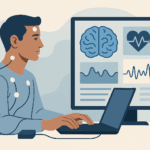
Data mining is helping researchers gather and organize information about everything from chronic diseases to cancer. For example, data mining is credited, in part, with figuring out that a depression medication called Desipramine can help cure certain types of lung cancer. Computers are able to sift through massive quantities of data to detect patterns such as this.
Guiding staffing needs
With the assistance of data mining, four hospitals in Paris are coming up with predictions of how many patients are expected at each hospital on a daily and hourly basis. This improves patient care by ensuring that the hospitals are appropriately staffed. The predictions ensure that patients are receiving the best care that they can, but also help to care for the staff by reducing demands on the on-call staff.
Preventing addiction
Another type of prediction can be made by data mining: the risk of opiod addiction. Using factors such as the frequency of doctor office visits, the location of the patient, and their medical history, data mining can be used to find the risk factors for addiction and give medical professionals the opportunity to reach out to these patients to try to prevent the addiction from occurring.
More Read
Refining Treatment
Treatment methods are also changing thanks to data mining. Precision medicine uses factors such as the patient’s genes, environment, and lifestyle to curate medications specific to their specific needs. While the idea of precision medicine has been on the rise, data mining provides even more information so that decisions can be tailored more specifically to each individual patient.
Lowering Costs
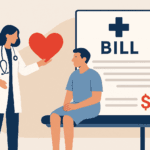
The cost of healthcare is a problem getting a lot of attention these days, and data mining can help with the issue. Data mining can be used to detect healthcare fraud, such as duplicate claims, inappropriate classifications, and treatments and tests which aren’t medically necessary. Healthcare fraud is a big business, and it costs everyone from consumers to the government significant amounts of money each year. Data mining is more efficient at discovering potential fraud than manual review by humans, leading to quicker discovery and prosecution as well as catching fraud before the claims are paid. Data mining is the wave of the future. It may even pave the way for the cure for cancer someday. In the meantime, it is saving patients and insurance companies money, helping to prevent the devastation of addiction, improving outcomes for individual patients, and helping nurses sleep better at night. The information from our own health problems is being used to improve the lives of people around our city and around our world. We haven’t yet reached the limits of what we can do with the help of data mining, but this is a great start.