By using this site, you agree to the Privacy Policy and Terms of Use.
Accept
Health Works CollectiveHealth Works CollectiveHealth Works Collective
  • Health
    • Mental Health
  • Policy and Law
    • Global Healthcare
    • Medical Ethics
  • Medical Innovations
  • News
  • Wellness
  • Tech
Search
© 2023 HealthWorks Collective. All Rights Reserved.
Reading: Do Multivitamins Prevent Cardiovascular Disease in Men?
Share
Notification Show More
Font ResizerAa
Health Works CollectiveHealth Works Collective
Font ResizerAa
Search
Follow US
  • About
  • Contact
  • Privacy
© 2023 HealthWorks Collective. All Rights Reserved.
Health Works Collective > News > Do Multivitamins Prevent Cardiovascular Disease in Men?
NewsWellness

Do Multivitamins Prevent Cardiovascular Disease in Men?

psalber
psalber
Share
0 Min Read
SHARE

Approximately 35% of people in the US take multivitamins (MVIs) on a daily basis.  Some buy the cheap ones from Costco, but others, purchase expensive brands convinced that they are worth every penny of the much higher price tag.  According to market research, Americans spent $110 million on MVIs in 2009.  If you look at total dietary supplement sales, it 35% of people in the US take multivitamins (MVIs) on a daily basis.  Some buy the cheap ones from Costco, but others, purchase expensive brands convinced that they are worth every penny of the much higher price tag.  According to market research, Americans spent $110 million on MVIs in 2009.  If you look at total dietary supplement sales, it totals $2.9 billion in the same year. Now that is not much compared to what we spend on healthcare, right?  But what are we getting for our money?  Improved health? Or just vitamin-rich pee?

According to a National Institute of Health conference panel as well as the 2010 Dietary Guidelines, there is “no evidence to support use of a daily multivitamin in disease prevention.” These experts based this statement on a review of a number of randomized trials that tested individual vitamins or certain select vitamins.  There were no large scale studies that evaluated the impact of the daily multivit, until now.

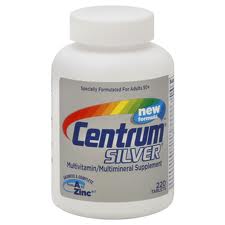
The Physicians Health Study (PHS II), recently published (11/7/2012) in the Journal of the American Medical Association (JAMA) was designed to do just that, starting with a look at whether multivitamin use prevents cardiovascular disease. Howard Sesso, SCD, MPH and colleagues, randomized 14,641 male physicians into the study.  Half agreed to take daily multivitamins (Centrum Silver, 500 mg of Vitamin C, and 50 mg of beta carotene).  The other half received the placebo.

Given that these were older men (mean age of 64), it should not be surprising that there was a baseline prevalence of CVD risk factors (hypertension 42%, high cholesterol 35%, diabetes 6%).  However, probably because the subjects were physicians, only 4% were smokers and 60% exercised at least once a week or more.

More Read

uber-phone.jpg
How Hospitals Are Using Technology to Improve Patient Access to Care
High Doses Vitamin D May Prevent Fractures
The Old Wives Club: Which Health Myths Are True?
Top Five Ways to Get Rid of Back Pain Effectively
3D-Printed Pill Opens Up World of Customized Medication

Median follow up was 11 years.  Compliance, measured by self-report was pretty good at approximately 70% in both groups over the entire duration of the study (docs are good at following instructions, it seems).

1732 of the doctors suffered major cardiovascular events during the course of the study:

  • 652 first myocardial infarctions
  • 643 strokes (527 ischemic and 94 hemorrhagic)
  • 829 cardiovascular deaths

19% of the men died during the follow-up.
The rates of major cardiovascular events, the primary end-point of the study, were 11.0 per 1000 person-years in the multivitamin group compared to 10.8 in the placebo group.  Similarly, there was no significant benefit for secondary end-points of total MI (3.9 vs 4.2) and total stroke (4.1 vs 3.9).  Secondary analysis showed fewer MI deaths among MVI users.  There was no stastitically significant effect on strokes of either type, congestive heart failure, angina, or coronary revascularization,  or CVD mortality or total deaths.  They conclude:

“Among this population of US male physicians, taking a daily multivitamin did not reduce major cardiovascular events, MI, stroke, and CVD mortality after more than a decade of treatment and follow-up.”

Now you could argue that these men started taking daily multivits too late in life.  Indeed, there was a suggestion that there could be difference in end-points between the two groups in men aged 50-59.  And besides, you may be wondering, what are the downsides – besides cost – of taking these pills?  The study found minimal if any measurable side effects related to being in the MVI group.  But what was not measured was whether the subjects engaged in fewer healthy behaviors (such as eating lots of fruits and vegetables) as a result of taking the medication.

We are a society that loves to take pills and by and large this study is unlikely to change that – in part because industry is invested in selling us the stuff but also in part because we believe that “more is better” and  “better safe than sorry.”  Let me know what you think.  Will this well done peer-reviewed study change your mind about multivitamins?



TAGGED:vitamins
Share This Article
Facebook Copy Link Print
Share

Stay Connected

1.5KFollowersLike
4.5KFollowersFollow
2.8KFollowersPin
136KSubscribersSubscribe

Latest News

healthcare communication
Independent Practices Should Keep Real People at the Heart of Patient Communication
Global Healthcare
April 8, 2026
rehab for substance abuse
Is 30-Day Inpatient Rehab Enough Time to Recover?
Addiction Recovery
April 8, 2026
men in white coat standing beside woman in white coat
Why Methylene Blue Has Grown in Popularity Across Europe
Mental Health
April 1, 2026
language barriers in healthcare
Language Barriers Are Most Underestimated Risk in Healthcare
Global Healthcare Policy & Law
March 29, 2026

You Might also Like

The ACA has put patients at the center of healthcare services. A patient-centric healthcare approach in this digital era means a revised definition of quality in the physician-patient relationship. When it comes to healthcare services, patients shell out a hefty amount from their pocket and want nothing less than the best. The services in healthcare are no longer limited to just cost as consumers now evaluate quality and experience in the same equation. Research highlights from the 2015 Healthcare Consumer Trends by National Research Corporation states that reputation in healthcare matters more to consumers when choosing a brand than any other industry, e.g. hospitality, retail, airline, etc. The new generation of quality measurements in healthcare require a different mind-set and a different 'toolbox' to handle the hurdles. It’s the need of the hour for healthcare providers and others across the healthcare value chain to adopt the patient-centric approach for surviving in the vast competitive ocean of healthcare services. Patient-centric care is an approach that develops through effective communication, empathy and a positive physician-patient relationship. The primary purpose is to improve patient care outcomes and satisfaction and to reduce patient symptoms and unnecessary costs. It’s a win-win situation for both physicians and patients. While healthcare providers are able to support their patients in becoming more compliant with treatment and management of their conditions/diseases, patients feel more satisfied with the care that they are receiving. PwC’s Health Research Institute’s annual report 2016 states that health systems should keep an eye on the consumer experience as they expand and extend. More partnerships and more caregivers could mean confusion for patients and poor customer experiences. To differentiate their practice among competitors, patient satisfaction can be used as a competitive distinguishing factor. Although patient satisfaction cannot really provide tangible benefits, but an experience that exceeds patient expectations for what a practice/hospital can provide is very important as it creates loyal patients who return for future health needs and refer their family and friends. Happy and satisfied patients are a secret marketing weapon for healthcare providers, whether they are physicians, dentists, physiotherapists or hospitals. Your patients are the new-age digital health decision-makers. In this era of Internet and social media, they now have multichannel access to information related to health. Needless to mention, they have gained new power to make their decisions; whether it’s choosing a healthcare provider or referring a physician to family and friends. By converting your satisfied patients to be your brand advocates, you can capitalize and use their voice as an effective marketing strategy to reach out to many other potential patients. To strive and thrive, in the U.S. many healthcare organizations are applying patient-centric approaches to healthcare. It’s all about what matters to patients, so it makes a lot of sense for the healthcare industry to place patients' healthcare experience at the center of their policies and procedures. The best deliverables are a combination of great communication for a positive physician-patient relationship, disciplined measurement and analysis of patient feedback and commitment to technology innovation – the formula for improving patient engagement and care.
BusinessHealth ReformWellness

The Link Between Patient Satisfaction and Long-Lasting Relationships

April 28, 2016

The DNA Doctor Consultation Of the Future

May 2, 2012
Wellness

How Baby Wipe Warmer Lowers Risk of Diaper Dermatitis

February 28, 2024

Plan B: Understanding Obama’s Cynical but Savvy Political Calculation

December 9, 2011
Subscribe
Subscribe to our newsletter to get our newest articles instantly!
Follow US
© 2008-2025 HealthWorks Collective. All Rights Reserved.
  • About
  • Contact
  • Privacy
Welcome Back!

Sign in to your account

Username or Email Address
Password

Lost your password?