As our global population ages, understanding the evolution and future of elderly care becomes essential. Elderly care, at its core, is the support and assistance provided to older individuals, helping them lead safe, comfortable, and dignified lives.
Today, as we stand on the brink of significant technological and social transformations, it’s critical to explore how these changes will shape the future of senior care.
Current State Of Elderly Care
Elderly care has been synonymous with residential aged care facilities, nursing homes, and family-based care. These methods focus on providing physical assistance, medical care, and emotional support.
In addition, innovations in care practices and environment design enhance the overall well-being and comfort of older adults. These advancements contribute to a more holistic approach, addressing physical health needs and fostering social engagement and mental stimulation.
As these methods evolve, the integration of technology has become an increasingly vital component, paving the way for further innovations in senior care.
Technological Advancements In Elderly Care
In an era where technology touches almost every aspect of our lives, its integration into elderly care is both a natural progression and a revolutionary leap. These advancements enhance their quality of life while reshaping the field of caregiving.
- Assistive Technologies
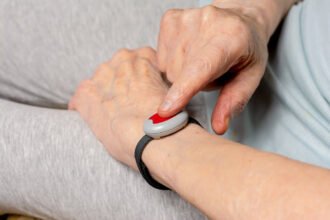
Innovative assistive technologies are revolutionising elderly care, offering tools like smart home devices and wearable health monitors. These technologies empower older adults to maintain their independence and stay safe.
For example, motion sensor systems can alert caregivers to unusual movements or falls, ensuring prompt assistance, while voice-activated devices make daily tasks easier for those with mobility or dexterity issues.
- Artificial Intelligence In Elderly Care
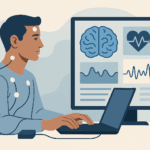
AI is playing a crucial role in senior care, from predictive health analytics to AI-driven personal assistants. These AI systems can monitor health trends, suggest interventions, and even provide companionship.
An example is AI-based chatbots that can offer conversation and engagement to reduce feelings of loneliness, or algorithms that can predict potential health risks based on behavioural patterns.
- Telehealth And Remote Monitoring
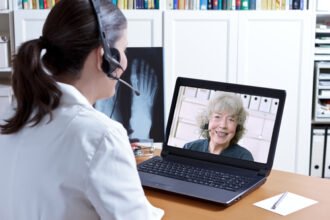
Telehealth has become a game-changer, especially post-pandemic. It allows older adults to consult with healthcare professionals remotely, ensuring timely medical attention and reducing the need for physical hospital visits.
This technology is particularly beneficial for those in rural areas or with mobility constraints, as it provides access to specialists and regular health monitoring without leaving home.
As we continue to explore and integrate these innovations, we move closer to a future where care is more responsive, humane, and attuned to their individual needs.
Social And Cultural Changes Impacting Elderly Care
As society evolves, so do the factors that influence how we care for our elderly. These changes are deeply rooted in our social fabric and cultural perceptions, significantly affecting the approach and quality of care.
- Demographic Shifts
With a growing aging population, the demographic shift demands a re-evaluation of elderly care provision and funding. For instance, in countries like Japan, the aging population challenges the availability of care resources, necessitating innovative care and policy solutions.
- Shifting Family Dynamics
Changing family structures have altered caregiving responsibilities, blending work and care duties and calling for more adaptable aged care solutions. The decrease in traditional, extended family support systems leads to a higher reliance on professional caregiving services that accommodate varying family circumstances.
- Cultural Perspectives On Aging
There is a noticeable shift in cultural attitudes towards aging, emphasising respect and value for the wisdom of older adults. This change promotes anti-ageism and intergenerational integration, aiming for a more inclusive society that sees them as integral, active members.
These changes are instrumental in transforming senior care. They promote the adoption of policies and strategies that are respectful, inclusive, and responsive to their evolving needs.
Predicting Future Trends And Innovations In Elderly Care
The future of aged care is poised for transformative changes, with cutting-edge technologies promising to revolutionise how we support our aging population.
- Robotics In Elderly Care Facilities
Robotic technology, though in its nascent stages, promises to play a significant role in senior care, assisting with mobility, medication management, and even social interaction.
For instance, robotic exoskeletons can aid in physical therapy and movement for those with mobility impairments, while socially assistive robots can engage in basic conversations and provide reminders for medication, meals, and appointments.
- Data Analytics And Machine Learning
Personalised care is the future, with data analytics and machine learning offering insights into each individual’s needs and preferences. With this, care plans can be tailored accordingly.
These technologies can analyse vast amounts of health data in real time, identifying patterns and predicting health risks before they become critical. Thus, they can lead to more proactive and preventative care strategies.
- Virtual And Augmented Reality
Virtual Reality (VR) and Augmented Reality (AR) have potential applications in elderly care that can enhance the quality of life for older adults.
VR can be used for memory care and cognitive exercises, providing immersive experiences that stimulate the brain. On the other hand, AR can overlay crucial information in the physical world, aiding those with visual or cognitive impairments.
As we embrace these innovations, we enter a future where senior care transcends basic needs, focusing on enhancing life quality and independence. This evolution signifies a harmonious blend of technology and empathy, redefining care in the golden years.
Conclusion
Elderly care is evolving rapidly, driven by technological and social changes. From traditional care methods to futuristic technologies like AI and robotics, the future of aged care promises enhanced personalisation, efficiency, and accessibility.
Keeping abreast of these trends and innovations is vital for all stakeholders involved, from caregivers to policymakers. Most importantly, these advancements have the potential to improve the lives of older adults, ensuring their golden years are as comfortable and fulfilling as possible.
As we navigate these changes, it’s imperative to balance technological innovation with the irreplaceable human touch that lies at the heart of caregiving.