By using this site, you agree to the Privacy Policy and Terms of Use.
Accept
Health Works CollectiveHealth Works CollectiveHealth Works Collective
  • Health
    • Mental Health
  • Policy and Law
    • Global Healthcare
    • Medical Ethics
  • Medical Innovations
  • News
  • Wellness
  • Tech
Search
© 2023 HealthWorks Collective. All Rights Reserved.
Reading: Health Literacy: The power of infographics for patient safety
Share
Notification Show More
Font ResizerAa
Health Works CollectiveHealth Works Collective
Font ResizerAa
Search
Follow US
  • About
  • Contact
  • Privacy
© 2023 HealthWorks Collective. All Rights Reserved.
Health Works Collective > Wellness > Health Literacy: The power of infographics for patient safety
Wellness

Health Literacy: The power of infographics for patient safety

thielst
thielst
Share
2 Min Read
SHARE

In 2008 The HELP Project of Bellevue Hospital released results of research on medication administration by caregivers of young children. They found that graphics instead of text heavy narratives resulted in improved compliance with instructions. They found that 47.8% of  caregivers (parents, sitters, etc) made dosing errors after standard medication counseling and 38% did not adhere to all instructions.

In 2008 The HELP Project of Bellevue Hospital released results of research on medication administration by caregivers of young children. They found that graphics instead of text heavy narratives resulted in improved compliance with instructions. They found that 47.8% of  caregivers (parents, sitters, etc) made dosing errors after standard medication counseling and 38% did not adhere to all instructions. After they added pictograms to the medication counseling process, the dosing error rate fell to 5.4% and only 9.3% did not adhere to all instructions.

The top graphic is an example of the pictographs used in the research.  They were simple, but effective.  Since then infographics have evolved and can be used to facilitate patient education while patients are still in the office or electronically via text, email, patient portal, social media, etc..  Two examples are included below. 

Picture1    Med mistakes   Picture3

More Read

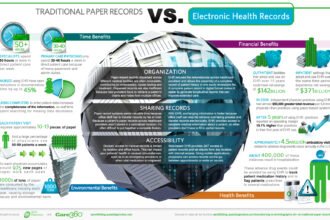
Infographic: EHR vs. Traditional Paper Records
5 Health Benefits of Medical Marijuana You May Not Have Known
Here’s Your Definitive Guide To Choosing A Mattress
Top 5 Misconceptions Holding Back the Use of Televideo in Healthcare
Insomnia May Be Linked to Future Hospitalization, Increased Health Service Use
TAGGED:infographicmedicationparenting
Share This Article
Facebook Copy Link Print
Share

Stay Connected

1.5kFollowersLike
4.5kFollowersFollow
2.8kFollowersPin
136kSubscribersSubscribe

Latest News

post-surgical recovery
Your Guide To Key Milestones In At Home Post-Surgical Recovery
Health Infographics
December 14, 2025
Dehydration Poses Serious Risks For Older Adults
Why Dehydration Poses Serious Risks For Older Adults
Infographics Senior Care
December 14, 2025
care settings
Hidden Risks In Care Settings: Who Faces The Greatest Threat From Healthcare-Associated Infections
Global Healthcare Health care Infographics
December 14, 2025
Medical Appointment
From Scheduling To Follow-Up: The Full Lifecycle Of A Medical Appointment
Infographics Medical Education Policy & Law
December 14, 2025

You Might also Like

wound care patients
Home HealthWellness

A Day in the Life of a Wound Care Patient

June 18, 2014
Wellness

How To Build Muscle And Get Lean

August 15, 2018

Be Inspired: 3 Ways to Originate the Content Your Patients Want

February 22, 2016
alzheimer's stress
GeriatricsSpecialtiesWellness

Stress and Alzheimer’s: Increased Risk

April 30, 2013
Subscribe
Subscribe to our newsletter to get our newest articles instantly!
Follow US
© 2008-2025 HealthWorks Collective. All Rights Reserved.
  • About
  • Contact
  • Privacy
Welcome Back!

Sign in to your account

Username or Email Address
Password

Lost your password?