
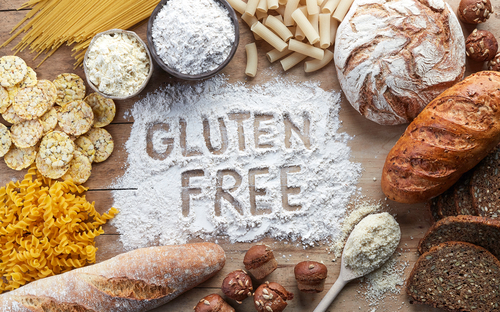
A lifestyle without gluten has become more popular than ever before, due to its perceived health benefits. But two questions keep popping up when discussing this topic: how much money will a gluten-free diet knock out of your wallet and is it worth the cost?
You’ve probably heard that removing gluten from your nutrition plan can be a tad pricey. This, unfortunately, is true. In the US or the UK, you can expect to spend about twice as much money than normal. For example, the average price for white bread flour in the UK is around £1.10 per kilogram, while its gluten-free variant costs £1.70.
The price disparity is also apparent in other countries around the world: In Saudi Arabia, estimates point to it being over 250% more expensive than your garden variety diet.
More Read

Such high food prices have proven to be more than bothersome for people who suffer from celiac disease (also called sprue), an autoimmune disorder that makes the digestive system overly aggressive towards gluten and reacting in a slew of negative ways to its ingestion. Luckily, though, fruits and vegetables are permitted when on a gluten-free diet, which are more reasonably priced and somewhat reduce the financial strain.
Why is gluten-free food so expensive?
You may be wondering why gluten-free food costs so much more money. The truth is that multiple factors play into this price spike:
Some grains are often contaminated with gluten because the same equipment and facilities are used to grow, harvest, and process both them and grains like wheat, which contains gluten. A good example of this would be oats, which often have gluten levels far above the acceptable limit for being called gluten-free.
The ingredients necessary to make a lot of gluten-free foods are more expensive to grow and produce. Something like xanthan gum will take much more money to make than white flour, and thus will cost more to buy.
To make, for instance, a loaf of gluten-free bread, you would need to use all sorts of ingredients for it to resemble what we would consider bread. Contrast this with what’s required to make white flour bread – a basic recipe calls for water, flour and yeast, nothing more. When tallied up, the price for all the things needed to make gluten-free bread far exceeds that of white flour bread.
The law of demand states that the price of a product increases in proportion to its decrease in demand. This rule also explains the higher cost of gluten-free foods. Since only a minority of people adhere to a gluten-free eating regiment, products that cater to that minority are less frequent. Because of this people are willing to pay more for these products.
Why go on a gluten-free diet, anyway?
What you have just read may get you thinking about why anyone would follow a gluten-free diet in the first place. At first glance, the cost makes it a hassle to abide by, but the perks it offers make it well worth the effort. A gluten-free diet comes with a host of health benefits for everyone.
You can learn about these benefits, and much more, from this marvelous infographic made by MedAlertHelp. It’s filled to the brim with handy tips and insightful information about going gluten-free, like what symptoms are linked with regular gluten consumption, where it’s found, which foods to eat or avoid on the diet, the list goes on. And to make the learning even better, all the data is presented in a snazzy and easily digestible art style.