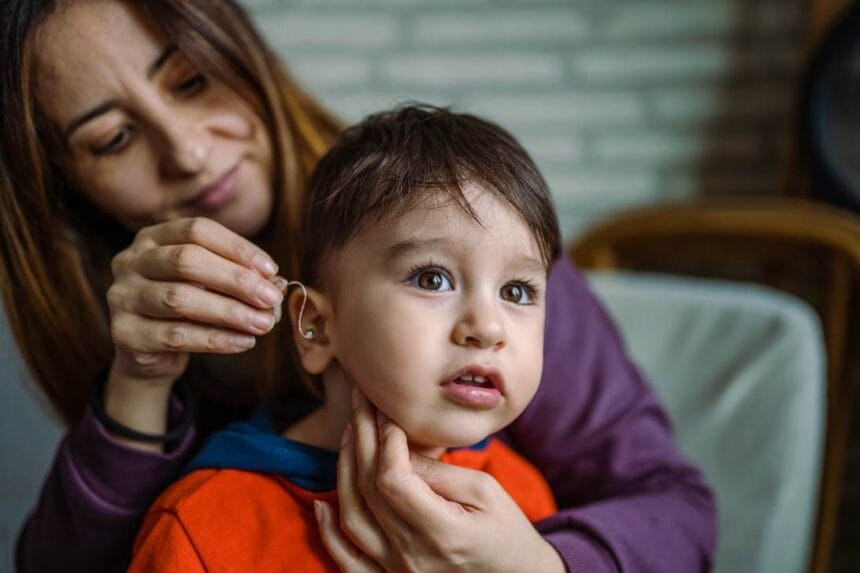
Pediatric hearing loss can affect how children learn, communicate, and interact with others. Hearing plays a key role in language development and classroom engagement. When hearing is limited, children may face challenges in following instructions, building vocabulary, and staying connected with peers.
How Hearing Loss Affects Learning
Children learn language by listening to sounds, words, and conversations around them. Hearing loss can interrupt this process. Even mild hearing issues can make it harder to catch important details during lessons.
In a classroom setting, background noise and distance from the teacher can make listening more difficult. Missing parts of speech can affect reading skills, comprehension, and participation. These challenges can build over time if they are not addressed early.
Early Detection and Intervention
Early detection is critical for managing hearing loss. Screenings during infancy and early childhood help identify issues before they affect development. Once identified, children can receive support that fits their needs.
Intervention may include hearing devices, speech therapy, and specialized learning strategies. The earlier these steps are taken, the better the outcome for language and cognitive growth. Families and healthcare providers play an important role in monitoring changes and seeking care when needed.
Technology That Supports Learning
Technology has improved access to sound and communication for children with hearing loss. Hearing aids and cochlear implants can amplify sound and help children process speech more clearly.
In classrooms, assistive listening systems can reduce background noise and bring the teacher’s voice closer. These systems help children stay engaged during lessons and follow instructions more easily.
Speech-to-text tools and captioning services also support learning. These tools allow children to read along while listening, which can improve comprehension and retention.
Creating Supportive Learning Environments
Technology works best when combined with a supportive environment. Teachers can adjust seating arrangements, so children are closer to the instructor. Clear communication, visual aids, and written instructions also help reinforce learning.
Parents can support learning at home by reading aloud, encouraging conversation, and maintaining consistent routines. These actions strengthen language skills and confidence.
Some schools and programs use specialized tools like occupational health equipment to improve safety and accessibility in learning spaces. These tools help create environments where children can focus and participate more fully.
Long-Term Benefits of Early Support
When hearing loss is addressed early, children are better able to keep pace with their peers. Strong language skills support reading, writing, and social interaction. This leads to improved academic outcomes and greater confidence. Ongoing support also helps children adapt as they grow. Technology can be adjusted to meet changing needs, and learning strategies can evolve.
Pediatric hearing loss presents challenges, but early action and the right technology can make a meaningful difference. With proper support, children can stay engaged, build strong skills, and continue learning alongside their peers. Check out the infographic below for more information.