

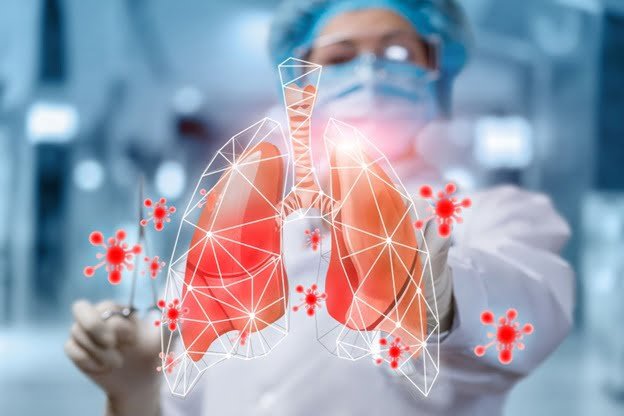
It’s no secret that technology has changed the way we live. From smartphones to smartwatches, we’re surrounded by devices that keep us connected to our friends and family. But did you know that technology can also improve patient care? The use of electronic medical records (EMR) is one way that physicians are using technology to improve patient care by increasing access to relevant information. Technology has improved communication among doctors and patients alike, as well as promoted research into new methods of diagnosis and treatment, which has helped save lives.
We’ve compiled 9 ways technology is changing healthcare and how it will continue to do so in the coming years.
Improve Efficiency and Accuracy
Innovation in health IT is helping reduce errors and improve patient care while also helping physicians perform their work faster from anywhere. Some examples include:
More Read

- Electronic medical records (EMRs) — help physicians capture information about a patient’s history of visits and treatments, as well as other relevant data. Medical researchers can use this information to track rates and patterns of certain illnesses to improve treatment plans.
- Mobile charge capture – physicians can now record and submit their billable services to insurance companies for reimbursement. Looking at pmd charge capture, for example, shows how far the industry has changed, as only a few years ago they were the unquestioned leader in mobile billing and yet now their platform is well behind the curve compared to AI-enhanced charge capture, combined billing and charting workflows, and streamlined billing processes that can be completed at the point of care in a fraction of the prior time.
- Mobile apps—these allow doctors who work remotely to access important clinical information via their devices’ screens.
Physicians Can Now Understand Patients Better
One of the most exciting things about modern healthcare is the ability to use data to help us understand our patients better. For example, if you have a patient who has been diagnosed with type 2 diabetes or hypertension, then it’s important that they follow their doctor’s recommendations as closely as possible. Hospitalists can use various physiotherapy equipments such as apps and websites to track patients’ progress along with other metrics like blood pressure levels over time, which will give them more insight into how well their treatment plan is working for them.
Healthcare Is More Accessible, Convenient, and Cost-effective
Technology advances are making patient healthcare more accessible, convenient and cost-effective. Today we have many health apps where anyone can ask questions relating to their health and get custom advice from internet doctors. In terms of convenience, patients can now schedule appointments via a web app instead of calling an office or using snail mail. Another benefit of technology is it can help reduce costs by automating tasks that used to require human labor, such as booking appointments or processing claims forms – saving time for everyone involved.
Healthcare Data Is Safer
Healthcare data is more secure now than it has ever been. Cloud computing and encryption have made healthcare information safer, thanks to the laws like HIPAA (Health Insurance Portability and Accountability Act) and GDPR (General Data Protection Regulation) that protect your privacy and security. These laws require organizations to have a plan for protecting patient information, including medical records and other sensitive data like Social Security numbers, birthdays, or addresses.
Wearable Devices Have More Benefits
Wearable devices are offering more medical benefits than ever before. For example, devices can monitor patients’ health and send data to doctors in real-time, allowing them to better understand how their patients are doing with their treatments, or if there’s a problem with the treatment itself. Wearable devices are incredibly useful in helping patients manage conditions like diabetes by tracking blood sugar levels and sending this information directly to doctors at every checkup.
Robots Are Assisting in Surgeries
Robotic surgery is a minimally invasive surgical procedure that’s mostly performed on patients who are too ill, elderly, or have health conditions that make it impossible for them to undergo traditional open surgery.
Robotic surgery differs from traditional open surgery because it uses mechanical arms instead of human hands to perform the procedure. Surgeons program the robots with specific instructions on how to perform the exact type of surgery that needs to be done. Robots are also more precise than human hands, so if there is any error during surgery, it’s not likely to affect the outcome of the operation.
Robotic surgery has many advantages over traditional methods:
– It allows surgeons to perform procedures that would otherwise be too dangerous or impossible due to patient condition or age
– Increases precision
– Faster patient recovery
– It prevents complications associated with traditional open surgeries, such as infections and excess bleeding
Self-monitoring
Self-monitoring is an important part of healthcare. It helps patients take control of their health, which can help them avoid costly doctor visits.
For example: if you’re reading this article on your phone while lying in bed at home, you may not realize that your blood pressure has risen to 180/100 mmHg—but chances are high that your smartphone has sent an alert from Apple Health or Google Fit telling you about it and prompting action, like calling for help.
AI-powered Diagnosis and Treatment
Doctors examine patients by asking questions, gathering information from tests and scans, examining the patient’s medical history, and more. AI can do this much faster than humans because it can analyze large amounts of data collected from previous cases—and it does so much more accurately than humans ever could.
Keeping Up With the Latest Research
You may have heard about some of the medical studies that are available through websites, apps, and other sources. For example, when you search for information about depression or diabetes on Google, you will see links to clinical trials where you can learn more about those conditions.
Technology also helps doctors stay informed about their own practices by allowing them access to journals written by other physicians. This allows doctors an opportunity to not only learn from others’ mistakes but also develop new ideas.
Conclusion
We’re seeing the evolution of technology in healthcare, and it could be the next big step forward for patients and physicians alike. With artificial intelligence, robotics, and virtual reality all becoming more mainstream, we may soon have a world where everyone can receive the best care ever.


_8-250x220.jpg)
