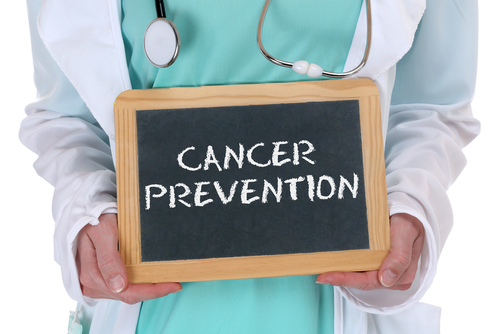
According to the National Cancer Institute, nearly 40% of men and women will be diagnosed with cancer during their lifetimes. This means that last year 1,735,350 people in the United States were diagnosed with cancer and 609,640 died from the disease. Cancer is a serious issue that is caused by hereditary likelihood, gene mutation, and lifestyle. The scary thing is that 35% of cancer diagnoses are the direct result of diet. Another 30% is from tobacco usage. And the rest is from infection, stress, and environmental issues. What these facts tell us is that 65% of cancers are preventable by changing the way that you live. To help you determine what lifestyle and diet choices put you at risk for cancer, here are the top 5 determiners.
1. Tobacco Use
Tobacco is considered a number one carcinogen. What does this mean? This means that you’re the usage of tobacco is directly linked to cancer. There’s no question to it. Smoking cigarettes, chewing tobacco, and any other type of tobacco usage put your health directly at risk for cancer. If you currently use a tobacco product, start a program now to help you get over the addiction. There are hundreds of different addiction recovery programs that will help you to change the way that you’re living and help you to decrease your likelihood of cancer from tobacco products.
2. Cancer Related to Diet
One of the things that is most surprising to people is that their diets could have been the cause of their cancer. Diets should be balanced and healthy. Try to get the right amount of fruits and vegetables in your diet. Fruits and vegetables like broccoli, berries, grapes, tomatoes, green-leafed veggies, and garlic are foods that have been proven to fight cancer. On the other hand, red meats, fatty foods, trans fats, and sugar have been linked to cancer. Processed meats are a number one carcinogen along with tobacco. If your diet includes these cancer-causing foods, avoid them and cut them out of your diet.
More Read

3. Weight
After we have talked about diet, we need to mention weight. Weight is one of the things most likely to cause cancer. People who are obese are more likely to get cancer than those who are at a healthy weight. Those who are obese should regularly be screened for cancer to ensure that they haven’t developed it already. You should consider downloading healthcare apps in order to be constant contact with your healthcare provider and have yearly screenings for cancers. You should also do your best to lose weight at a healthy pace.
4. Family History
If you have a history of cancer in your family, you’re at risk. Go through your ancestors and find those who have had cancer. Look for breast cancer, colon cancer, and prostate cancer (since these are likely to be genetic). However just because you do have a history of cancer in your family doesn’t mean that you’re guaranteed to get cancer in your lifetime, it simply increases your chances. This means that you should go in for yearly screenings as well. You can also be tested to see if you have certain genes that were passed down which make it more likely for you to experience cancer.
5. Age
After the age of 35, your likelihood of cancer increases. You’re at a much lower risk for cancer when you’re younger. As you age, your cells grow more and more likely to mutate which is the cause of cancer. When your genes mutate, the mutation spreads over your body which is what cancer is. When you’re younger, this is less likely to happen. As you grow old, be especially careful with your lifestyle. Make sure to exercise daily and to keep your body in shape. Also, pay attention to your diet. Add cancer-fighting foods and avoid cancer-causing foods.
Conclusion
Though cancer is very prevalent all over the world, this doesn’t mean that you’re going to have cancer. Your life choices can increase your likelihood or decrease it. Make sure that you’re making healthy choices and doing the best that you can to make the right choices. You should also try to avoid stress since stress is likely to activate cancer genes. If you do make the right life choices and you’re avoiding stress, you will live a happy and full life.