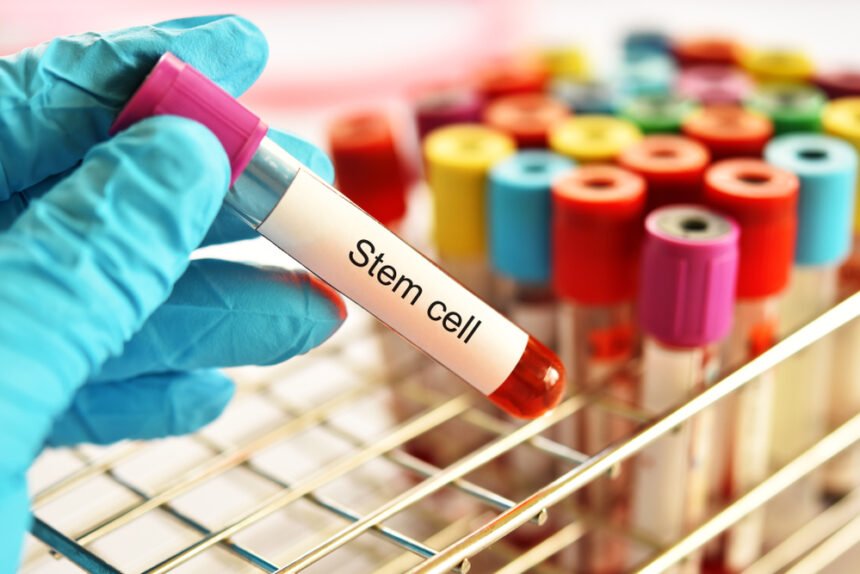
The discovery of stem cells in the cord blood dates back to the year 1978. Following this development, it took ten more years for the first-ever cord blood transplant to be performed. Since then, over the world, we have witnessed more than 40,000 successful cord blood transplants.
Also referred to as immune system reconstitution, stem cell transplant is the process of invigorating the generation of new healthy cells in the system or replacing maligned cells. This may be required by individuals suffering from blood or immune system deficiency or undergoing chemotherapy or radiotherapy for the treatment of cancer of their blood or immune system. Apart from the renewal of healthy body cells, transplanted cells may sometimes be able to attack the malignancy or cancer itself.
It is important to note here that stem cell transplants are not always uniform and its variances depend on the state and health of the patient, the disease being treated, the type of transplant, and the physician conducting the therapy.
Transplant and Transfusion
Transfusion may be defined as the process of the introduction of new cell lines into the body. This is done mostly to supplement losses. For example, new matching blood is provided when a loss of blood has occurred. On the other hand, transplant is the process of replacing older cell lines with new cell lines.
Source of Stem Cells
A few different factors are taken into account while determining the source of stem cells. Availability is limited by a person’s ability to provide stem cells and access to donor cells. In order to determine the match between the cells of the donor and recipient, HLA proteins are used as the compatibility markers.
Perfect matches are rare because there are over 7,000 HLA protein types currently known. Often times, perfect matches are found only when his or her own stem cells can be used by the donor. This is why cord blood stem cells always provide a perfect match for a child and offer numerous benefits compared to similar stem cells from other sources.
Patients that don’t have stored cord blood may consider using stem cells from the peripheral blood or bone marrow as an alternative. Transplant using the patient’s own stem cells is known as an allotransplant or allogeneic transplant.
Stem Cell Conditioning
Once suitable stem cells have been sourced, a series of treatments are required before the transplant as part of the conditioning stage. For example, radiotherapy or chemotherapy, or a combination of the two is used for individuals suffering from lymphomas and leukemia. These treatments are often performed in conjunction with TBI or total body irradiation and help prevent graft-versus-host disease and lower or suppresses the immune system.
Stem Cell Transplantation
Cord blood transplantation is done within a few days of the conditioning. The process is quite simple and is somewhat comparable to the blood transfusion process. First, the stem cells are thawed in a water bath at 37 degrees. Following this, the viability of the stem cells is evaluated and then they are infused into the patient’s blood supply through intravenous therapy.
Once they are infused into the body, the cord blood stem cells start migrating towards the center of the bone. A new and healthy immune system and blood cells are produced in the bone marrow by the stem cells. In the case of autologous transplants, the grafted white blood cells may also aid cancer recovery by attacking the cancerous cells.
Recovery Process
After a cord blood transplant, the patients can be in a precarious position until the minimum viable strength is attained by the immune system. The total number of healthy stem cells may not reach the required level for protecting the body before three to four weeks. In order to help the body accept the new cells, anti-rejection drugs may be required during this stage. To decrease the risk of infection, doctors often recommend the patients to consume a low-microbial diet and reside in a sterile room throughout the recovery stage.
Americord is a noted private cord blood bank that specializes in the collection, processing, and storing stem cells. You can go here for more on cord blood banking and its benefits.