
By using this site, you agree to the Privacy Policy and Terms of Use.
Accept
Health Works CollectiveHealth Works CollectiveHealth Works Collective
  • Health
    • Mental Health
  • Policy and Law
    • Global Healthcare
    • Medical Ethics
  • Medical Innovations
  • News
  • Wellness
  • Tech
Search
© 2023 HealthWorks Collective. All Rights Reserved.
Reading: The Lifecycle Of A Medical Device: From Concept To Disposal
Share
Notification Show More
Font ResizerAa
Health Works CollectiveHealth Works Collective
Font ResizerAa
Search
Follow US
  • About
  • Contact
  • Privacy
© 2023 HealthWorks Collective. All Rights Reserved.
Health Works Collective > Infographics > The Lifecycle Of A Medical Device: From Concept To Disposal
InfographicsTechnology

The Lifecycle Of A Medical Device: From Concept To Disposal

Innovation to obsolescence: How medical devices evolve and what happens when they retire.

Aaron Casselman
Aaron Casselman
Share
3 Min Read
medical devices
Image Credit: Microsoft Stock Images
SHARE

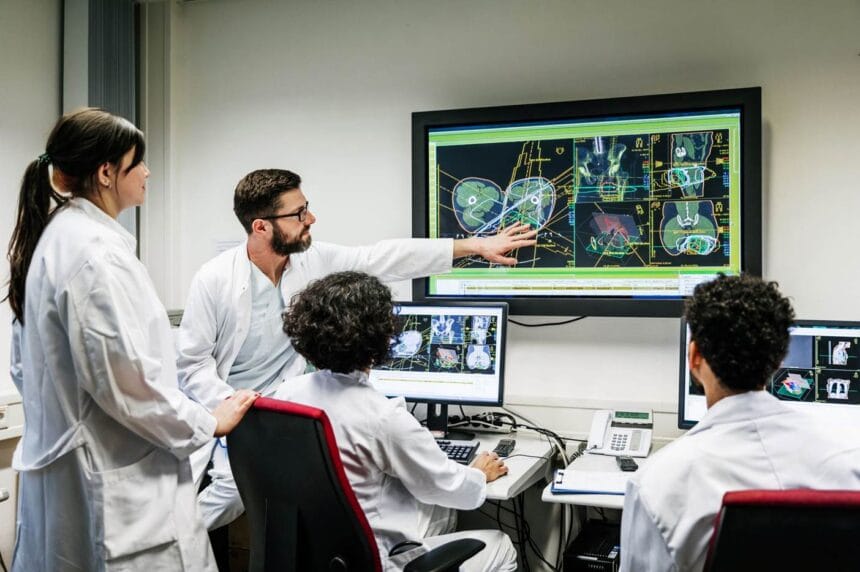
Medical devices undergo a detailed lifecycle that ensures safety, efficacy, and regulatory compliance before reaching patients. Each phase requires careful attention to design, testing, manufacturing, and post-market surveillance to maintain quality throughout the device’s usable life.

Contents
  • Design and Development
  • Testing and Regulatory Approval
  • Manufacturing and Distribution
  • Usage and Maintenance
  • End-of-Life and Disposal

Design and Development

The lifecycle begins with identifying a clinical need or problem. Engineers and healthcare professionals collaborate to develop a prototype that meets functional and safety requirements. Recent advances in manufacturing, such as SLS 3D printing services, allow rapid prototyping and customization of components, accelerating development while maintaining precision. This stage also includes risk assessment and planning for regulatory submissions.

Testing and Regulatory Approval

Before a device can enter the market, it undergoes rigorous testing. This includes laboratory tests, biocompatibility studies, and clinical trials to demonstrate safety and effectiveness. Regulatory bodies such as the FDA or the European Medicines Agency review all data to approve the device. Documentation is critical and must comply with strict standards to ensure the device performs as intended without causing harm.

Manufacturing and Distribution

Once approved, manufacturing scales up under controlled conditions. Quality control procedures monitor every step to prevent defects. Medical devices often require sterilization and packaging designed to maintain integrity during shipping and storage. Distribution channels must ensure timely delivery to hospitals, clinics, and other healthcare facilities while maintaining product traceability.

More Read
Could Apple Store-like digital health retail stores be popular?
Patient Tracking Systems: Improving Facilities for Patients and Medical Staff
How to Customize Work Order Software for Healthcare Providers
How Hospital Execs Can Keep Up in the Fast-Paced Tech World
Treating Cancer – Moving Beyond the Whack-a-Mole Approach

Usage and Maintenance

Medical devices enter clinical use with ongoing monitoring by healthcare providers. Some devices require routine maintenance, calibration, or software updates to remain safe and effective. Training for medical staff on proper use is essential to maximize patient outcomes and minimize errors.

End-of-Life and Disposal

Devices eventually reach the end of their lifecycle due to wear, obsolescence, or regulatory changes. Safe disposal or recycling is necessary to reduce environmental impact. Certain components may be hazardous and require special handling protocols. Manufacturers and healthcare providers share responsibility for ensuring compliance with disposal regulations.

The lifecycle of a medical device involves multiple interconnected steps that prioritize patient safety and device performance. Advances in manufacturing technology have improved the ability to create innovative, reliable devices more efficiently. Proper management throughout the lifecycle supports better healthcare delivery and ongoing innovation. Look over the accompanying infographic below to learn more.


TAGGED:medical device
Share This Article
Facebook Copy Link Print
Share
By Aaron Casselman
Aaron Casselman is a medical writer based in central Minnesota, specializing in bioinformatics. With my Master's Degree in bioinformatics, he brings unique insights into topics related to medicine and health.

Stay Connected

1.5KFollowersLike
4.5KFollowersFollow
2.8KFollowersPin
136KSubscribersSubscribe

Latest News

talk therapy
When Emotional Healing Requires Physical Awareness
Addiction Recovery Health
January 21, 2026
Career Mobility in the Modern Nursing
The Growing Importance of Career Mobility in the Modern Nursing Workforce
Career Nursing
January 18, 2026
advancement in nursing career
How Nursing Leadership Shapes Organizational Culture and Patient Outcomes
Global Healthcare Nursing
January 18, 2026
woman in pink long sleeve shirt sitting on gray couch
Understanding Divorce Law and the Role of Attorneys in Family Disputes
Policy & Law
January 14, 2026

You Might also Like

FDA Approves SoundBite Hearing System That Attaches to Your Teeth

July 4, 2011
Revenue Cycle News
BusinessDiagnosticsHealth ReformRemote DiagnosticsTechnology

Telemedicine’s Impact on Value-based Care

March 2, 2016

Wearables and Seizures? Interview with John Hixson of UCSF

April 7, 2014
telemedicine kiosk
eHealthTechnology

Telemedicine Kiosks in Ohio: The After-Hours Doctor Visit of the Future

October 26, 2013
Subscribe
Subscribe to our newsletter to get our newest articles instantly!
Follow US
© 2008-2025 HealthWorks Collective. All Rights Reserved.
  • About
  • Contact
  • Privacy
Go to mobile version
Welcome Back!

Sign in to your account

Username or Email Address
Password

Lost your password?