
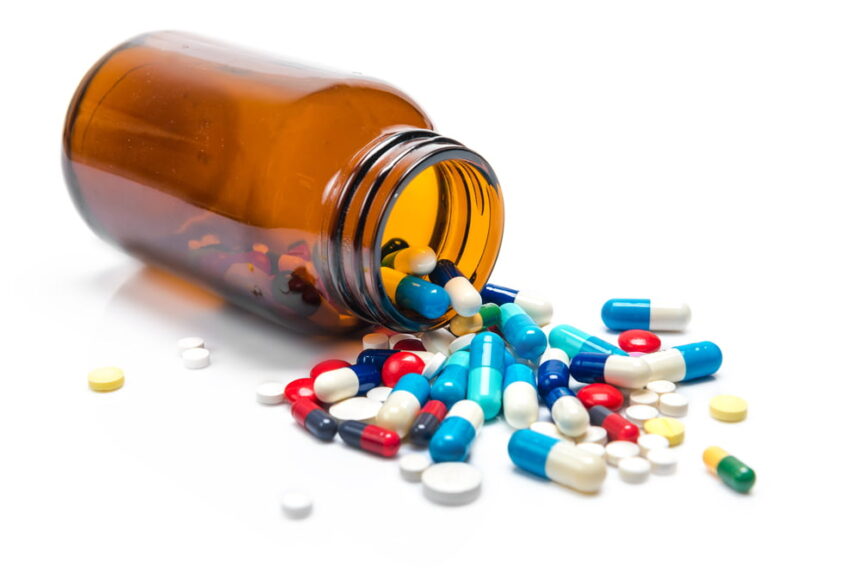
The Affordable Care Act tried to make it easier for people to gain access to medications and other essential healthcare services. Unfortunately, many children are struggling to get the medications that they need. Other families struggle with an equally dangerous risk – children having access to unused medications.
A new poll has revealed that an alarming number of children are living in homes with unused prescription medication just lying around. This is significantly increasing the risks of children overdosing or otherwise suffering from ingesting these medications.
Families Must Protect their Children from Unused Medication
It comes during a time when the number of people suffering from prescription drug addiction and having to enter residential rehab is at an all time high among adults, and there’s a worry that it could well have a knock on effect to a younger generation, particularly of teen and student age if action isn’t taken.
There has been a rise in drug addiction and overdoses among young people across the world in recent years, particularly due to opioid abuse with a rising amount of people taking fentanyl, but with access to prescription drugs so easy, there is clearly an unnecessary health risk within the home too. Over 500,000 children under the age of five suffer from medication poisoning each year, which can lead to terrifying ER visits or death.

The study, produced by the University of Michigan, found that over half of parents have leftover prescription medication lying around at home, while also finding that many parents keep out of date medication in the home.
Sarah Clark, who helped conduct the study said, “We found that it’s common for parents to keep medicines long after they are expired or no longer needed, which creates an unnecessary health risk for children.
“Younger children getting into medicine in the home is a major source of unintentional poisonings. For older children, access to these medicines brings risk of experimentation, diversion to peers, or other intentional misuse.”
This comes at a time when the warning signs are there for what addiction can do to the young, and the fact that around half of parents believe that over-the-counter medicine is less effective when it’s past its sell by date and they are less concerned about disposing of it compared to leftover prescription medication.
Alongside this, many parents are also unaware of how to dispose of it, which is one of the main reasons it is being left in cupboards for children to access and potentially experiment with and abuse.
Given the results of the study, the University of Michigan also released a number of pieces of helpful information to safeguard children from prescription and over-the-counter drugs, including:
- Limit the amount of medicine you bring home and store at home.
- Regularly check expiration dates of medication and remove once out-of-date
- Safely dispose of medication to a collection site where possible
- Lock medications away safely so they can’t be misused and regularly check on it.
- Keep an inventory of what has been used by you/the adults in the house, or children when required.
You must take these steps to protect your children from the risks of medication poisoning. The consequences of neglecting to do so can be severe.
Children’s Solutions: Understanding Dangers, Safe Storage
With more and more children having access to leftover medication, it’s essential that parents understand the dangers associated with improper storage. Not only can children experience adverse reactions due to incorrect dosages, but they are also at risk of accidental poisoning or ingesting harmful substances. In this article, we’ve discussed how to assess the level of danger in your home, as well as safe storage solutions that can help keep kids away from dangerous medications. By understanding the risks involved and taking actionable steps towards safety, parents can eliminate the possibility of unfortunate accidents involving medication in their homes.
Conclusion: Addressing the Problem
The accessibility of leftover medications is a growing issue, and it is essential that parents and children alike are aware of the potential dangers that can be posed by these medications. Taking steps to prevent children from having access to these medications, such as properly disposing of them or storing them out of reach, can help reduce the risk associated with their use. Parents should also take time to educate themselves on the potential risks and symptoms associated with opioid misuse in children.