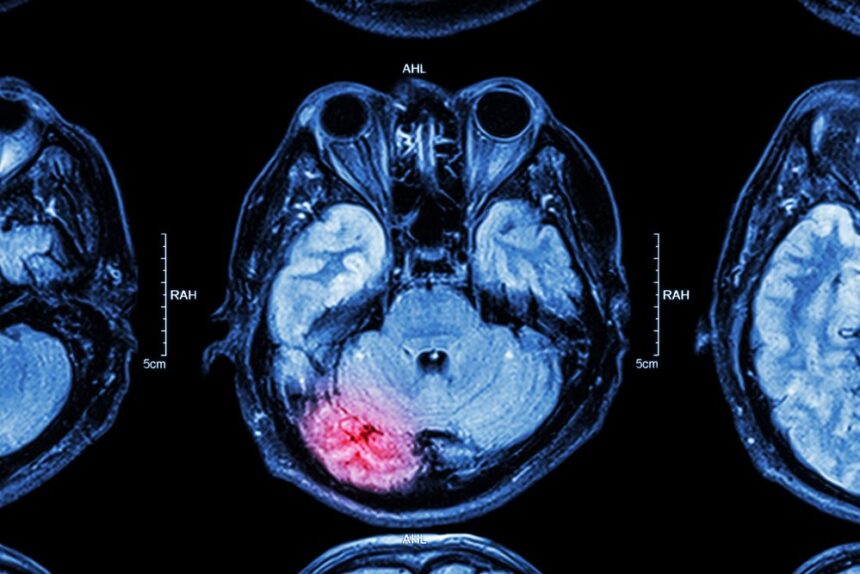
Brain injuries are very serious problems. They are also a lot more common than you think. Around 61,000 people die of traumatic brain injuries every year. The number of people that suffer from chronic problems caused by brain injuries is even higher.
The brain is a complex organ controlling everything from emotion, touch, memory, and thought to temperature, motor skills, hunger, and more. It forms part of the central nervous system with your spinal cord and is an integral component of your health and well-being.
If you’ve been involved in an accident of any kind, a brain injury can be one of many outcomes. There are serious problems that are caused by brain injuries. In some cases, brain injuries can even cause people to become violent. However, it’s not always easy to identify the symptoms or know whether a medical check is necessary. Get potential life-saving treatment if you notice any of the following signs.
Sensory Symptoms of Brain Injuries
Law firms like Caffee Accident & Injury Lawyers always recommend seeking medical care after an accident of any kind. Medical professionals can rule out or diagnose potentially severe health problems relating to an accident, even with only mild sensory symptoms.
Some of the most common brain injury-related sensory symptoms are ringing in the ears, light and sound sensitivity, blurred vision, a change in smell, and a bad taste in the mouth. You might experience some or all of these symptoms, but any of them can be an important indicator of a brain injury that requires medical attention.
Cognitive, Mental, and Behavioral Brain Injury Symptoms
There are many different cognitive, mental, and behavioral brain injury symptoms and some can indicate a lesser or more severe injury. However, all of these changes require immediate medical attention, whether or not you experienced a loss of consciousness.
Some of the more mild symptoms include a loss of consciousness for up to a few minutes, confusion, disorientation, memory and concentration problems, difficulty sleeping, and mood changes or mood swings. Some people with mild brain injuries may also feel depressed and anxious or sleep more than usual.
The more serious the brain injury, the more severe the symptoms. Slurred speech, agitation, extreme confusion, unusual behavior like combativeness, and a coma can all indicate a severe brain injury.
Physical Brain Injury Symptoms
The physical symptoms associated with a brain injury can be serious for both mild and severe brain injuries. You may experience headaches, nausea, vomiting, drowsiness, and fatigue. It’s also not uncommon to have problems with your speech and balance.
However, moderate to severe traumatic brain injuries can result in a loss of consciousness for several hours, a persistent headache, vomiting and nausea, and convulsions or seizures. Medical professionals may also identify pupil dilation and clear fluids draining from the ears or nose. Finger and toe numbness and weakness, a loss of coordination, and inability to wake from sleep may also be noticeable symptoms.
Brain Injury Symptoms in Children
While law firms and law enforcement officers may recommend that you see medical professionals based on your own symptoms, they may also be worried about children after an accident. They, too, can suffer from brain injuries but with lesser-known symptoms.
Generally, young children and infants can’t indicate their sensory problems and confusion, so you may notice other changes like:
- Out of the usual irritability
- A change in nursing or eating
- Persistent crying
- Sleep habit changes
- Problems paying attention
- Sad or depressed moods
- Seizures
- A loss of interest in activities and toys
- Drowsiness
Brain injuries are complex, and there’s simply no telling how serious they can be without medical intervention. Always seek help after an accident, but especially if you notice any of these symptoms above.