Alzheimer’s disease is number six on the list of leading causes of death in the U.S. – fifth if you’re over 65. It is the only cause of death among the top 10 in America without a way to prevent it, cure it or even slow its progression, according to the Alzheimer’s Association.
Alzheimer’s disease is number six on the list of leading causes of death in the U.S. – fifth if you’re over 65. It is the only cause of death among the top 10 in America without a way to prevent it, cure it or even slow its progression, according to the Alzheimer’s Association.

The organization released its 2013 Alzheimer’s facts and figures report yesterday, and the outlook is anything but rosy.
More Read
According to the report:
- 5 million people age 65 and older in the U.S. have the disease
- approximately 200,000 individuals younger than age 65 have younger-onset Alzheimer’s.
- By 2025, the number of people age 65 and older with Alzheimer’s disease is estimated to reach 7.1 million—a 40 percent increase
- By 2050 it may affect as many as 13.8 million seniors
- 1 in 3 seniors dies with Alzheimer’s or another dementia
- Alzheimer’s will cost the nation $203 billion this year, rising to a projected $1.2 trillion by 2050
- Last year 15.4 million family and friends provided 17.5 billion hours of unpaid care to those with Alzheimer’s and other dementias — worth roughly $216.4 billion
- More than 60 percent of Alzheimer’s and dementia caregivers rate the emotional stress of caregiving as high or very high; more than one-third say they’re depressed
- The physical and emotional toll of caregiving resulted in $9.1 billion in additional health care costs for caregivers last year
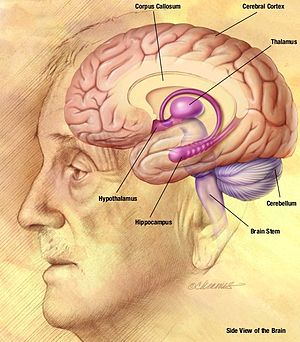
Alzheimer’s disease accounts for half of all cases of dementia; one of a group of conditions that affects the brain. It is a progressive disease that damages and eventually destroys brain cells, resulting in memory loss, cognitive and other changes in brain functions.
It usually develops slowly, gradually getting worse as more brain cells die. Alzheimer’s is fatal, and currently, there is no cure.
A handful of drugs are available that may temporarily help with memory but there is no treatment for the underlying disease itself.
Research is ongoing into the disease’s causes and ways to prevent, slow, or stop its progression.
10 Warning Signs:
- Memory loss which affects daily living
- Planning or problem solving difficulties
- Familiar tasks become increasingly challenging
- Confusion, especially of time or place
- Visual images and spatial relationships are difficult to understand
- Speaking or writing new words cause problems
- Misplacing things and unable to backtrack
- Judgement and decison-making deteriorates
- Increasing seclusion and unsociability
- Mood and personality swings