
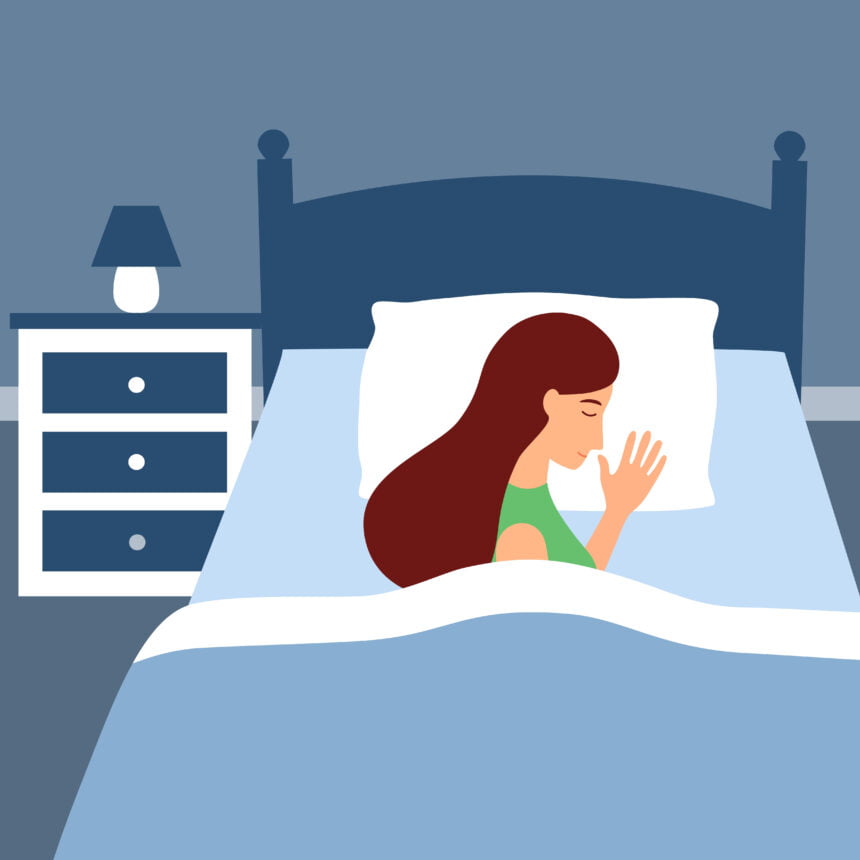
Do you often find yourself tossing and turning all night, unable to get a good night’s sleep? If so, you’re not alone. Millions of people around the world suffer from insomnia or other sleep disorders. The good news is that many natural tips can help you get the rest you need. For example, if stress is impacting your sleep, there are several stress management techniques worth trying. In this blog post, we will discuss those, along with several other helpful techniques that can help you sleep through the night!
Why Can’t You Sleep Through the Night?
First, let’s discuss some of the common culprits of sleep disruptions that prevent many people from sleeping through the night.
Stress, of course, is a common culprit, as it can keep your mind racing and make it difficult to relax. Other causes include drinking caffeine or alcohol before bed, working late into the night, eating a large meal before bed, and exercising too close to bedtime. So, if you find yourself frequently waking up during the night or struggling to fall asleep in the first place, one of these factors may be to blame.
We’re going to explore stress management techniques for promoting better sleep in a moment. But first, let’s discuss some other natural tips for a good night’s sleep.
More Read

Natural Tips for a Good Night’s Sleep
There are all kinds of things you can do to encourage better sleep and help yourself sleep through the night.
Sleep schedule
First, set up a regular sleep schedule by going to bed and waking up at the same time each day, even on weekends. This helps teach your body and brain to fall asleep and wake up at consistent times.
Relaxing bedtime routine
It’s also worth creating a relaxing bedtime routine that helps you wind down before sleep. This might include taking a warm bath, reading a book, or doing some light stretching. Avoid using electronic devices like laptops, phones, or tablets in the hour leading up to bedtime. We know this is a tough change to make, but the blue light they emit can interfere with your body’s natural sleep rhythms.
Blue light is a big topic of conversation when it comes to better sleep, so let’s talk more about it.
Limit blue light exposure
Blue light suppresses the body’s production of melatonin, which is a hormone that helps regulate sleep. Melatonin can be taken as a supplement if your levels are low, but it’s also important to limit exposure to blue light in the evening by avoiding screens for at least an hour before bed to give yourself the best opportunity for a good night’s sleep. Consider reading a book or taking a bath instead.
Change up your diet
The foods you eat play a big part in your ability to get a good night’s sleep.
For example, eating foods that are high in tryptophan can help you sleep better. Tryptophan is an amino acid that helps the body produce serotonin, which is a key player in helping you feel calm and relaxed. Foods like turkey, eggs, and dairy are all good sources of tryptophan.
On the other hand, some foods can have the opposite effect and keep you up at night. For example, spicy foods are a common culprit for insomnia, largely due to indigestion and upset stomach they can cause.
Also, try to limit your caffeine intake during the day and avoid eating large meals before bedtime. Eating a light evening snack may help you sleep better, though. Try some whole-grain crackers with cheese or yogurt before bedtime.
Consider supplements
In addition to changes in diet, some supplements can help you sleep better. For example, taking magnesium before bed can help you relax and fall asleep more easily. Magnesium is a mineral that’s involved in over 300 different biochemical reactions in the body, including helping to regulate stress hormones like cortisol.
Other supplements beneficial for sleep include melatonin, valerian root, and chamomile. You’ll find these supplements in most health food stores. Just be sure to talk to your doctor before taking any supplements, especially if you’re on any medications.
Rethink your sleep environment
Finally, make sure your sleeping environment is dark, quiet, and comfortable. Consider using blackout curtains or an eye mask to block out light, earplugs, or a white noise machine to drown out annoying and disruptive sounds.
By following these tips, you can encourage better sleep and help yourself sleep through the night. But what if stress is still keeping you up at night? Let’s explore some stress management techniques that can help.
Stress Management Techniques for Better Sleep
If stress is impacting your ability to sleep through the night, there are several stress management techniques worth trying.
Muscle relaxation
One popular technique is progressive muscle relaxation, which involves tensing and relaxing different muscle groups in your body. This can help you release tension and feel more relaxed overall.
Deep breathing
Deep breathing exercises are another helpful option. When you’re feeling stressed, your breathing becomes shallower and more rapid. Deep breathing helps you slow your heart rate and promotes relaxation.
Meditation and mindfulness
You might also try meditation or mindfulness practices. These can help quiet a racing mind and make it easier to fall asleep.
To begin practicing mindfulness, start by focusing on your breath. Inhale and exhale slowly and deeply. As you breathe, focus on the sensation of air moving in and out of your lungs.
Exercise
Yoga, tai chi, swimming, walking, and other forms of gentle exercise can help promote better sleep. Exercise can also help you reduce stress levels, which can make it easier to fall asleep at night.
Don’t exercise too close to bedtime, however. A late-night workout can make it harder to fall asleep.
Get enough sun exposure during the day
Sunlight helps regulate your body’s natural sleep-wake cycle. Aim to get at least 30 minutes of sunlight each day. This will help you sleep better at night.
Avoid caffeine and alcohol before bedtime
Although coffee is better known than alcohol for its energy-boosting effects, caffeine and alcohol are both stimulants. Alcohol also functions as a depressant or sedative, but it also has a stimulant effect (like caffeine), which means drinking alcohol can make it a challenge to sleep through the night—just like coffee. Avoid drinking caffeine in the afternoon and evening, and limit alcoholic drinks to one or two per day.
Start Sleeping Better Tonight
These are just a handful of stress management techniques and tips for a good night’s sleep that can help you get the rest you’re hoping for. Experiment with different approaches to see what works best for you.
With some simple lifestyle changes and stress management techniques, you can encourage better sleep and finally get the rest you need. Sweet dreams!