If certain celebrities (here’s lookin’ at you, Gwyneth) and that cute clerk at the co-op are to be believed, then some foods are absolutely, unequivocally capital-G-good for you. However, some of these so-called “superfoods” are actually Kryptonite incarnate.
If certain celebrities (here’s lookin’ at you, Gwyneth) and that cute clerk at the co-op are to be believed, then some foods are absolutely, unequivocally capital-G-good for you. However, some of these so-called “superfoods” are actually Kryptonite incarnate.
Who doesn’t love the gooey goodness of peanut butter? Fat-free peanut butter gives us all of the indulgence and none of the guilt. Well, not exactly none of the guilt: Fat-free peanut butter can have as many calories as regular peanut butter. And fat-free is something of a misnomer, because, to boost their flavor, many brands are laden with added sugars, sodium and partially hydrogenated oils – fats that raise our “bad” LDL cholesterol. But you don’t have to take the PB out of your PB&J, just opt for all natural or organic peanut butter.
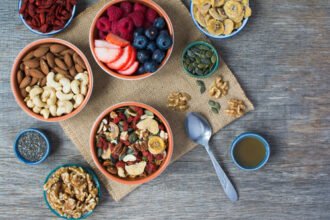
The king of crunchy-groovy foods has long been granola. But the emperor of nutritious and delicious isn’t wearing any clothes. Imagine the word “healthy,” and odds are you picture a bowl of rolled oats, honey and nuts – or more accurately, a bowl of sugar, oil and carbohydrates. With its sugar content alone, a cup of granola can easily exceed 600 calories, which is a third of the average woman’s recommended daily intake. Switch out your granola for a high-fiber cereal and top it with some walnuts and fresh berries.
Sushi is often considered the healthiest of all dining-out options; after all, it’s only raw fish and rice, with a little avocado (and that’s a “good” fat, right?) or cucumber for good measure. But before you belly up to the sushi bar, consider this: White rice is a high-glycemic food, which means that it spikes your blood sugar levels and increases your insulin; like all things that go up, they inevitably come crashing down, and when they do, they trigger your appetite. While twice is nicer when it comes to a buy one, get one free sale, it’s pretty lousy portion control. And the amount of protein you’ll get from each morsel of fish is negligible at best. Ask for sashimi (or plain fish) with a side of edamame to get some proper protein and reduce your sodium intake – a terrific two-for-one.
Whether you prefer peach to cherry or apple to orange, odds are dried fruit is one of your go-to healthy snacks. Unfortunately, that go-to needs to get gone. Fresh fruit is made mostly of water; the drying process strips it of natural nutrients and often replaces them with refined sugars. These sugars can actually up your blood triglyceride levels and reduce your HDL (or “good”) cholesterol levels; they can also contribute to obesity – which has myriad health risks, including heart disease and diabetes. So, when you’re packing for a quick pick-me-up, opt for fresh fruits instead.
Who knew?
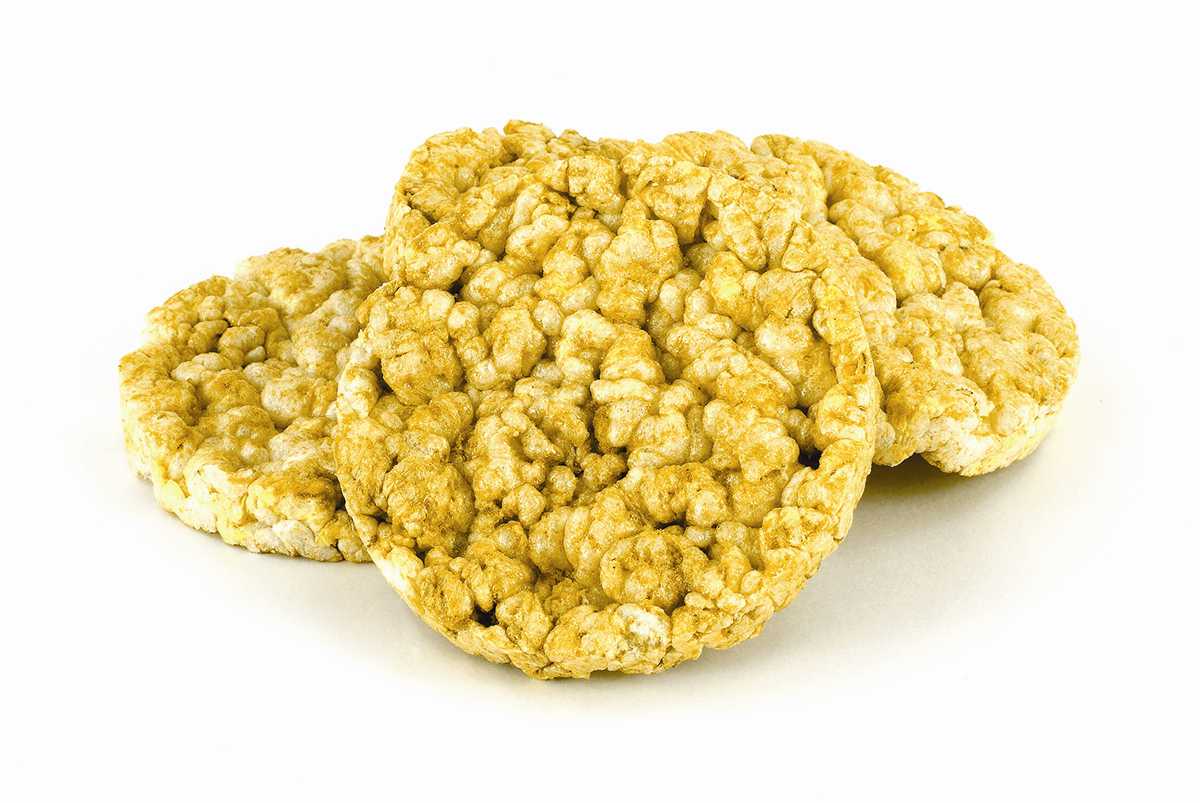
Rice cakes are thought of as a bland-but-healthy food, but, in reality, they’re the culinary equivalent of a roller coaster ride – and not in a good way. Your average rice cake can have a glycemic index rating as high as 91 (and we’re not talking an “A on your pop quiz” score of 91; pure glucose – which can contribute to cardiovascular disease – has a rating of 100); this makes it the kind of pure carbohydrate that can send your blood sugars through a loop-the-loop. When packing your snack baggies, go for fresh veggies or unsalted nuts.