While working in healthcare is one of the most rewarding jobs, it does expose you to a number of harmful viruses and illnesses. However, there are several ways that can help you keep safe so that you can continue doing what you do best, saving lives! Your job is to help the sick, and you can’t do it unless you are healthy yourself. Interested? To find out more information about how to stay safe in the healthcare industry, then keep on reading!
Wear the right protective equipment
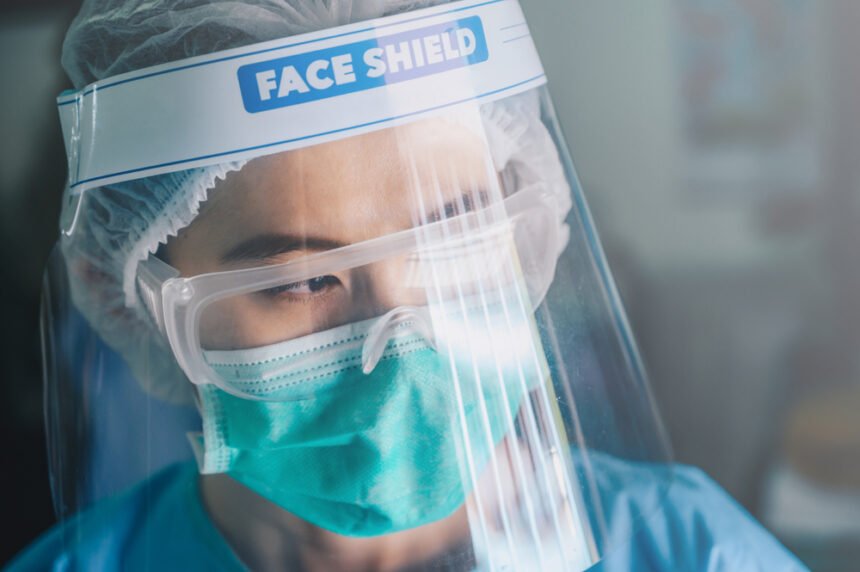
One of the most critical and important steps that you should always follow when working in the healthcare industry is to wear the proper protective equipment. It is there for a reason and helps stop the spread of infectious diseases and viruses. PPE equipment plays an essential part in protecting yourself and others. You definitely don’t want to expose yourself to a potentially deadly disease. Make sure your workplace always keeps enough protective gear available, including things like wholesale facemasks, gloves, hand sanitizer and soap.

Participate in employee training
For healthcare professionals, you never truly stop learning. However, you should always take the opportunity to participate in extra employee training. This way, you can make sure you’re up to date with the latest safety methods and techniques to protect yourself in the field. It might be a lot of hard work, but it will definitely be worth it. Speak to your supervisor to get up to date on the latest courses, and don’t forget to invite some friends along as well!
Learn about fire safety
While they aren’t common, fires in hospitals can occur and can be quite severe because of all the flammable material. Things like oxygen, hydrogen, cloths, and antiseptic liquids can be found all over, and can easily allow a fire to take off. Make sure you participate in some type of fire training, so you know exactly what to do in case of an emergency. You have many lives to care for, and not all patients will be able to make it out on their own.
Work in pairs
Working in pairs while on your shift, is always a wise idea in the healthcare industry, as it’s good to have some extra backup. Someone will be there to help communicate with patients, assist with heavy lifting, and help give a second opinion. While there will be times when you have to work alone, at least you will have someone you can call on for help. The last thing you want is to injure or hurt yourself when helping a patient.
Always practice good hygiene
Just like wearing protective equipment, practicing good hygiene methods is just as essential to get rid of any harmful germs. Healthcare professionals always need to take extra care and must wash their hands/sanitize regularly after each patient. Also, don’t forget to wear gloves and discard them after they have been used. Without proper hygiene, you can be exposed to viruses and diseases, but also may pass these on to other vulnerable patients.
Complete your maintenance checks
You might think it’s a very tedious job, by completing your maintenance checks on various equipment is a critically important part of being a healthcare professional. If you don’t check the safety of each piece of equipment, you could cause harm to patients and even yourself. The last thing you want is machinery to malfunction when you are in the middle of an emergency.
Report hazards ASAP
While it’s certainly easy to get caught up in the busy day to day life of being a healthcare professional, you must remember to report hazards in the workplace ASAP. If you don’t, you may be spreading bacteria and germs around the area and put other workers at risk. Just make sure you follow your workplace protocol and report anything hazardous such as spills and leakages immediately.
Dispose of sharps properly
Since needles are often used in hospitals for various reasons, it’s essential that you follow correct procedures when handling them. Many of them can be contaminated, and injuries from sharps can cause painful infections. Make sure you dispose of them correctly in a marked sharps box, and never use the same needle twice.
Monitor yourself for symptoms
And lastly, it’s very important that you monitor yourself for any suspicious symptoms daily, so that you can provide the most high-quality care to your patients. We are only human, and sometimes we get sick! By checking your temperature regularly, and staying home when ill, you can get better and won’t pass on anything to anyone else. Rest is an important part of recovery.
By following the above, you can ensure that both your patients and yourself are kept safe and healthy. Make sure you follow your workplace guidelines and rules, and of course, keep up to date with any government regulations and laws. Good luck!