

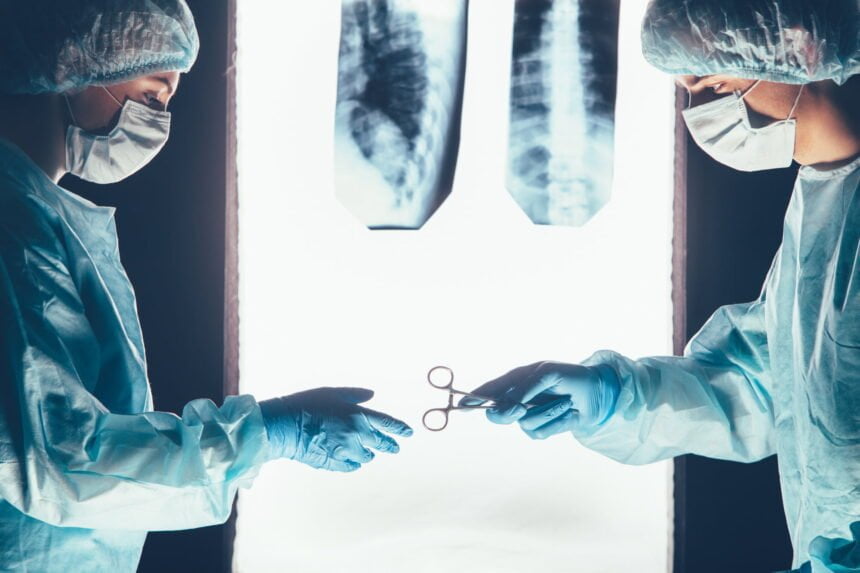
Minimally invasive spine surgery is a technique that provides a faster and greater range of motion than conventional standard open-back surgery. This procedure can also be referred to as laminectomy or decompression surgery, and it is performed by removing some of the bone spurs protruding from the spine.
Such procedures are not recommended for all patients because they may have other medical conditions, such as herniated discs or arthritis, which may cause the patient’s symptoms to worsen with the removal of bone spurs. However, they are necessary for many patients, which is why people spend $3.7 million on them every year.
Positive Outcomes of MISS You Should Know About
Here are some reasons that you should seriously consider undergoing an MISS procedure.
1. Minimized blood loss
MISS procedures can be performed by creating a small incision through which the surgery is carried out. This small incision helps prevent unnecessary blood loss during the operation.

2. More pain relief
MISS procedures help deliver more pain-relieving steroids and medications to the pinned nerves causing your pain than traditional open-back surgeries. It means that you experience less postoperative pain after a MISS procedure is done.
3. Reduction in scarring
MISS procedures are designed to be carried out through a small incision, which can lead to reduced scarring after the operation. Therefore, you may be able to have normal, pain-free movement on your part immediately after the surgery has been carried out.
4. Less nerve damage post operation
The bone spurs being removed from the spine are being pushed outwards; when they get too long, this causes them to press against the spinal cord and cause pain and stiffness in the back of your body as well as causing numbness or weakness in your back. By removing these bone spurs, the pressure exerted on your nerves reduces, and you will feel more relief from your pain.
5. Less loss of strength
The longer the bones protruding through the back of your body remain there, the more weight they will bear on them, which can cause them to lose their structural integrity and become weaker. In traditional back surgery, when you are anesthetized, muscle movement stops along with spinal cord functions, which means you lose muscle function and strength. However, in MISS, you do not lose muscle or nerve function due to the speed of the operation.
6. Less risk of infection
In a traditional back surgery, you need to be anesthetized, the muscles of your body are paralyzed, and the head of your spinal column is disturbed. There is, therefore, a high risk that there will be a bacterial infection in these areas and other potential risks such as nerve damage and disease. However, if you have had minimally invasive spine surgery, you are not anesthetized, and the muscles of your body are not paralyzed. It means that there is a reduction in the risks of these infections and other threats.
MISS procedures are carried out using small surgical tools known as micro tools. Using these instruments makes it possible to carry out the surgery through a very small incision smaller than three centimeters in length. Occasionally, a spinal needle may inject the necessary steroids into the affected area. It is, therefore, possible to carry out the surgery very effectively. It means that you are less likely to suffer any pain and discomfort during and afterward.







 that you need to be aware of.)