
We use cookies, including third-party cookies from Google to serve personalized ads through AdSense, to operate this site and understand how it is used. By continuing to browse, you accept this use. See our Privacy Policy and Terms of Use for details, including how to opt out of personalized advertising.
Accept
Health Works CollectiveHealth Works CollectiveHealth Works Collective
  • Health
    • Mental Health
  • Policy and Law
    • Global Healthcare
    • Medical Ethics
  • Medical Innovations
  • News
  • Wellness
  • Tech
Search
© 2023 HealthWorks Collective. All Rights Reserved.
Reading: 9 Ways Modern Hearing Aids Are Pushing the Technological Limits
Share
Notification Show More
Font ResizerAa
Health Works CollectiveHealth Works Collective
Font ResizerAa
Search
Follow US
  • About
  • Contact
  • Privacy
© 2023 HealthWorks Collective. All Rights Reserved.
Health Works Collective > Technology > 9 Ways Modern Hearing Aids Are Pushing the Technological Limits
TechnologyWellness

9 Ways Modern Hearing Aids Are Pushing the Technological Limits

Experience the future of hearing technology with 9 remarkable features in modern hearing aids that offer unmatched quality and sophistication.

Amie Clark
Amie Clark
Share
5 Min Read
hearing aids
Shutterstock Licensed Photo - 2278735425 | By Halfpoint
SHARE

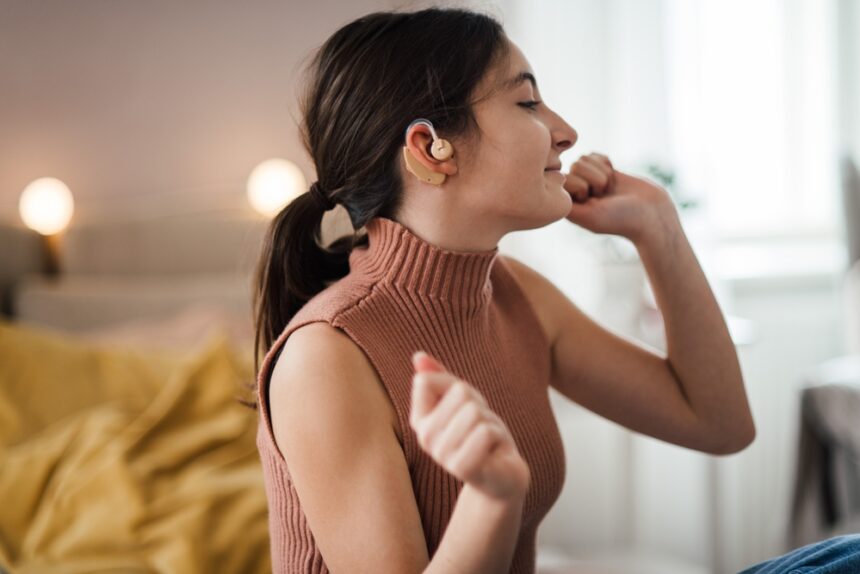
For a long time, people with hearing loss have had communication barriers. However, this problem is slowly disappearing thanks to technology because hearing aids have evolved rapidly. Here is a look at nine ways modern hearing aids push technological limits.

Contents
  • 1. Wireless Connectivity
  • 2. Remote Programming
  • 3. Automatic Function
  • 4. Background Noise
  • 5. No More Feedback
  • 6. Machine Learning
  • 7. Waterproof Technology
  • 8. Rechargeable Batteries
  • 9. Real-Time Monitoring

1. Wireless Connectivity

Technology has made it possible for people with hearing difficulties to connect to smart devices without any wires. With this technology, those with the best hearing aid can listen to the phone or TV directly without raising their phones or increasing the television’s volume.

2. Remote Programming

Each deaf person has their need; no hearing aid can fit all. For that reason, these gadgets need to be programmed to meet the wearer’s needs. In the past, those wearing hearing aids had to visit the ear specialist’s office. But thanks to technological advancement, this procedure can now be done remotely.

3. Automatic Function

Technology has significantly impacted the amplification of soft and loud sounds in the hearing aid. There was a time when hearing aids were linear, amplifying soft and loud noises in the same way. However, they now adjust the soft sound more using compression technology. This technology makes the amplification process automatic and adjusts according to the wearer’s environment.

More Read

blockchain in healthcare for the NHS
How Blockchain Can Help the National Health Service
Amnestix Develops Genetic Analysis System
The Future of Medical Education: Very Real Simulation of Procedures and Teamwork
The Outreach Mindset: How Doing Crisis Care Improves Medical Practice
8 Keto Food Staples And Why Your Body Needs Them

4. Background Noise

One common challenge people wearing hearing aids had was that the device could not distinguish between the sound people wanted to hear and background noise. However, modern hearing devices can now amplify sounds from a particular direction more than others, thanks to technology and the creation of directional microphones.

5. No More Feedback

There was a time when hearing aid devices were too big for some wearers. If someone with hearing impairment got these devices and then put the volume high, they would relieve feedback in the form of a loud whistle, which was annoying. However, this is not the case with the new generation of hearing aids. The latest gadgets fit appropriately and don’t produce feedback.

6. Machine Learning

One of the outstanding features of the new hearing device versions is machine learning. Thanks to technology, modern devices can learn user preferences and essential sounds. For instance, they can understand the sounds of their loved ones and filter out unnecessary background noises.

7. Waterproof Technology

Wearing a hearing aid only to get damaged by water can be frustrating. That is why waterproof devices were good news for those with hearing impairments when launched. With this device, wearers do not have to worry when exposed to moisture. Additionally, they are durable and designed to stand wear and tear.

8. Rechargeable Batteries

For hearing aid devices to work, they must have reliable power sources. In the past, these devices only had disposable batteries. That means that the user has to buy new batteries each time the power runs out. But that is no longer the case since modern devices have rechargeable batteries. The lithium-ion batteries are a safer alternative since they are not prone to overheating and short-circuiting, keeping the wearer safe.

9. Real-Time Monitoring

Unlike the conventional devices that could only be examined by ear doctors, the new hearing aids offer real-time monitoring. This means that the user can keep checking the status of the device so that they can tell when it needs maintenance, repair, or replacement. This feature helps ensure the device is maintained on time and prevents unwanted complications.

Hearing aid technology has evolved rapidly in recent years thanks to technology. These are the nine ways in which these devices push the technological limit. Therefore, people with hearing loss can take advantage of these devices and lead a fulfilling life.


TAGGED:hearing aidstechnology innovation
Share This Article
Facebook Copy Link Print
Share
By Amie Clark
Follow:
Amie Clark is the co-founder, senior editor, and the visionary behind The Senior List. She loves to share her insight about topics related to senior living and caregiving with innovative eldercare products and services for their well-being. Her background in social work, especially with seniors and their families, has equipped her with the required knowledge and determination to express her thoughts and share best practices with others. She enjoys live music, traveling and going outdoors with her family. You can connect with her on Twitter at seniorlist.

Stay Connected

1.5KFollowersLike
4.5KFollowersFollow
2.8KFollowersPin
136KSubscribersSubscribe

Latest News

What Hospitals Need to Know About EU MDR -- AI-generated illustration
What Hospitals Need to Know About EU MDR
Business Hospital Administration
August 18, 2026
How to Choose an On-Demand Medical Interpreting Provider for Your Hospital -- AI-generated illustration
How to Choose an On-Demand Medical Interpreting Provider for Your Hospital
Health care
August 12, 2026
The Chemistry Of Drug Consistency -- AI-generated illustration
The Chemistry Of Drug Consistency
Policy & Law
August 12, 2026
Dental Materials Through The Decades -- AI-generated illustration
Dental Materials Through The Decades
Dental health Infographics Specialties
August 12, 2026

You Might also Like

On Cleveland Clinic’s Top 10 Healthcare Innovations of 2013

December 6, 2012
mindful meditation
Wellness

5 Ways to Improve Health With Mindful Meditation

June 29, 2022

Innovative Technologies Can Markedly Enhance Safety

May 11, 2012
todd dunsirn
BusinessHospital AdministrationTechnology

Interview with Todd Dunsirn of True Process

July 15, 2014
Subscribe
Subscribe to our newsletter to get our newest articles instantly!
Follow US
© 2008-2026 HealthWorks Collective. All Rights Reserved.
  • About
  • Contact
  • Privacy
Welcome Back!

Sign in to your account

Username or Email Address
Password

Lost your password?