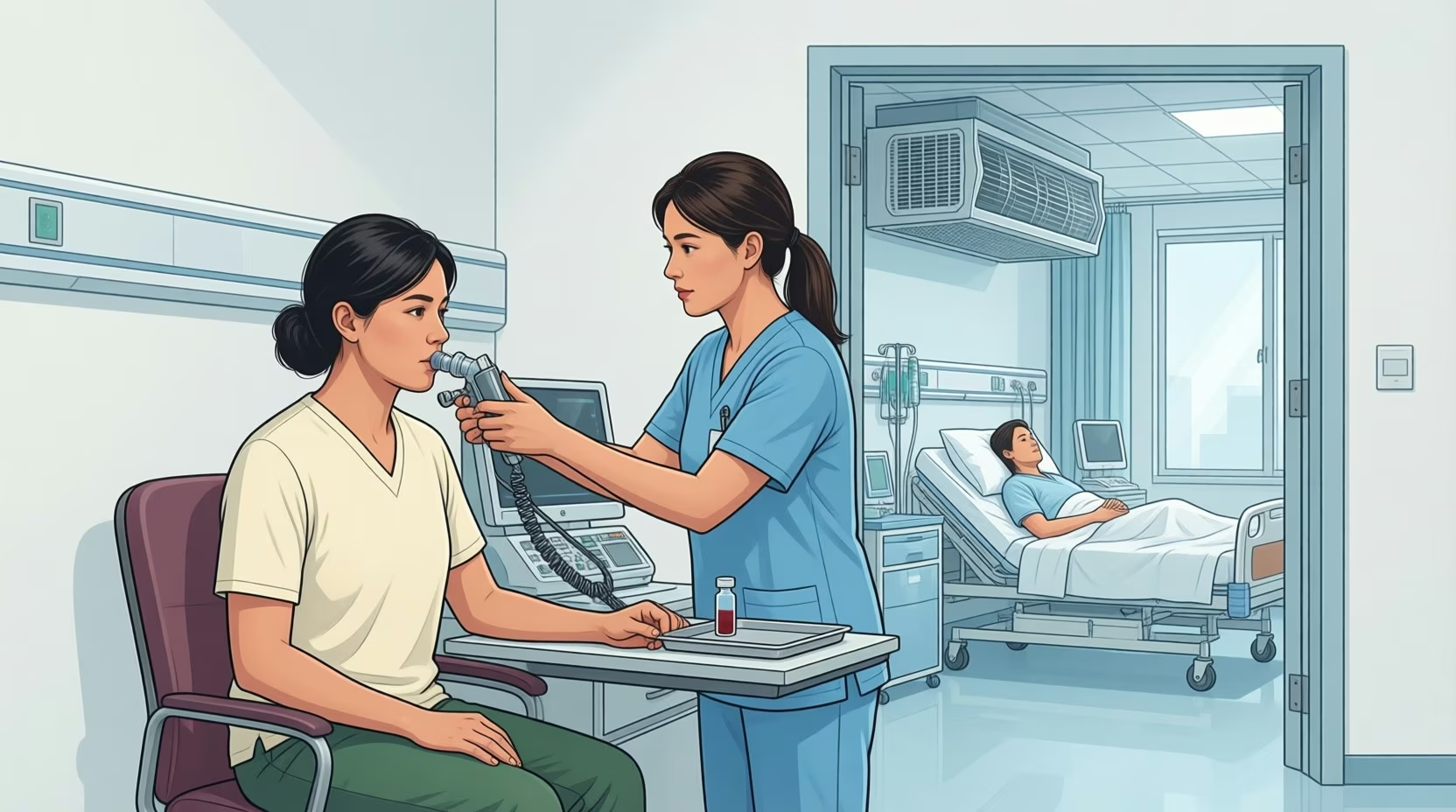
While languishing in a medical practice reception area, more than a few patients have fantasized about financial revenge, thinking: “I should send a bill to this doctor for making me wait so long.”
That’s not a fanciful idea. “In 2010, people in America spent 1.1 billion hours seeking health care for themselves or for loved ones,” recent academic studies tell us. So, if we all had sent a collective invoice, the total would be $52 billion. Our nation’s healthcare system is paying billions in “opportunity costs.”

On average, “the total time per visit was 121 minutes with 37 minutes of travel time and 84 minutes of clinic time. The average opportunity cost per visit was $43, which exceeds the average patient’s out-of-pocket payment. For every dollar spent in visit reimbursement, an additional 15 cents were spent in opportunity costs.”
“The researchers said that it is important to consider time costs when evaluating innovative treatment and care delivery models designed to create higher value, more patient-centered care and to reduce health care disparities,” reports the Harvard Medical School.
“They noted that many initiatives currently underway might offer considerable benefits in reducing the time-cost burden of health care. These initiatives include streamlining office visits; incorporating clinics into schools, community centers, and places of work; and using new models of care delivery, such as telemedicine visits, e-visits and other Internet-powered medicine.”
Plus, the consequences for providers are also bad…
While these “hidden costs” are bad enough for patients, business and marketing professionals will immediately recognize additional downsides for medical practices that want to remain competitive.
As patients are increasingly empowered consumers, lengthy wait times, rising costs and time away from the job mean (a) some patients will simply avoid going for care, and/or (b) they will change doctors. What is the lifetime value of a patient who simply disappears (and goes to a competitor)?
Other unintended consequences pileup when lengthy service delays inspire poor online reviews or negative word-of-mouth references. It’s difficult to assign a cost to lost opportunity for the practice or hospital, but it’s costly.
The in-depth academic info is based on 2010 study data, so we suspect today’s “cost of waiting” is even higher. Links to the 2015 articles in the American Journal of Managed Care and JAMA Internal Medicine are:
Opportunity Costs of Ambulatory Medical Care, American Journal of Managed Care. An analysis of the opportunity cost associated with ambulatory medical care in the United States demonstrates substantial time costs for individuals and society. Am J Manag Care. 2015;21(8):567-574
Disparities in Time Spent Seeking Medical Care in the United States, JAMA Internal Medicine. The Institute of Medicine identifies timeliness of care as a key aspect of quality. Am J Manag Care. 2015;21(8):567-574
And for additional articles in this series, click through to:
- Retail is Learning Healthcare Faster Than Healthcare is Learning Retail
- Why I Hate Calling a Doctor’s Office
- Patients Feel Healthcare Is Stuck in the Digital Dark Ages
Author information

The post What If Patients Billed Doctors for Time Waiting to Be Seen? appeared first on Healthcare Success.