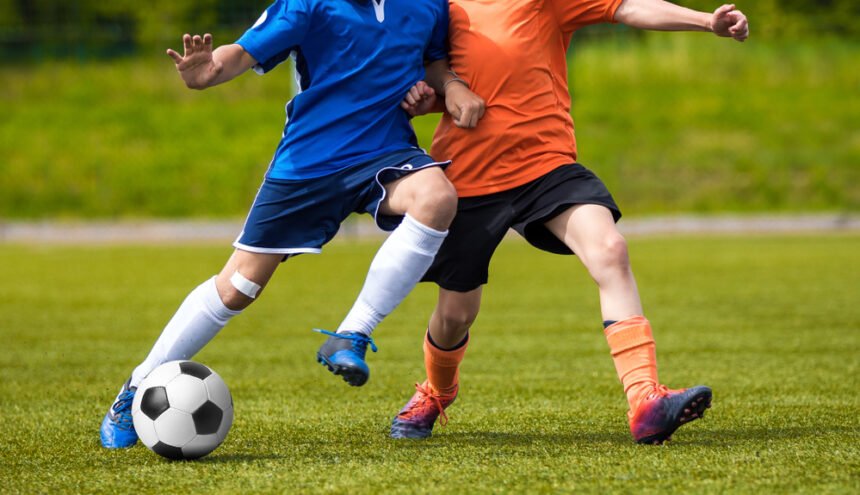
No matter what the season, children and young people always benefit from sports, especially if it means getting outside and burning off some energy. The downside of this is that sometimes things can go wrong thanks to accidents and injuries. Luckily however, with the right treatment and plenty of rest, the vast majority will heal well.
Common sporting injuries
Sporting injuries are incredibly common but can still be hugely distressing for parents and kids alike. This makes it so important to diagnose the issue promptly and offer effective treatment. Here are some of the most common ones:
Ankle sprains
This is probably the most common one of them all. Sometimes referred to as “turning” or “rolling” the ankle, sprains are defined as a twisting injury that damages some of the ankle’s supporting ligaments. They mostly heal very well after a few days of keeping weight off the ankle, followed by a short break from sports and an effective exercise program. However, as a healthcare professional it’s worth keeping an eye out for non-displaced growth plate fractures of the fibula as they can closely resemble an ankle sprain. Fortunately, plenty of rest is the main treatment for this injury as well.
Fractures
A fracture is when a bone breaks. If it punctures through the skin, it’s referred to as an open or compound fracture. Fractures commonly come about as the result of things like falls, car accidents or of course sports injuries. Other causes can include calcium deficiency, bone conditions and low bone density, which can make the bones weak. Overuse can also lead to fractures. Symptoms of bone fractures include:
- Intense pain
- Deformity – the limb looks out of place
- Swelling, bruising, or tenderness around the injury
- Tingling and numbness
- Problems moving a limb
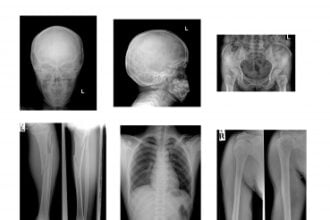
Fractures can be serious and require urgent medical care. They can only be diagnosed via an x-ray in hospital.
Knee pain
Pain in the front of the knee is very common in youth sports, particularly in female sports. It’s usually due to overuse and referred to as “patellofemoral syndrome.” It can also be because of pressure overload on the patella. In younger athletes, this is often due to high activity levels and different degrees of muscle imbalance. Effective treatment includes rest and physiotherapy.
ACL tears
Unfortunately, this incredibly painful injury is another very common one. It’s where the anterior cruciate ligament (ACL) – a stabilizing ligament of the knee – is torn during an uncontrolled twisting motion. Surgery is pretty much unavoidable and there is often additional damage to other structures in the knee, like the shock-absorbing menisci. Whilst children and young adults should be able to return to playing sports eventually, healing can take at least 7-9 months.
Regularly see children and young people with a range of sporting injuries?
Our CPD course Sports injuries in 8-18 year olds may well prove useful in spotting and diagnosing the common ones. Hands-on and highly interactive, you’ll apply various theoretical and practical concepts and techniques throughout the two days. Ideal for nurses, paramedics and other frontline healthcare professionals, the course is worth 14 hours of CPD and starts on the 30th April 2020. It’s held in London at St. Bart’s hospital and all course material and refreshments are provided. Make sure you book early though! This course is popular and spaces are limited.