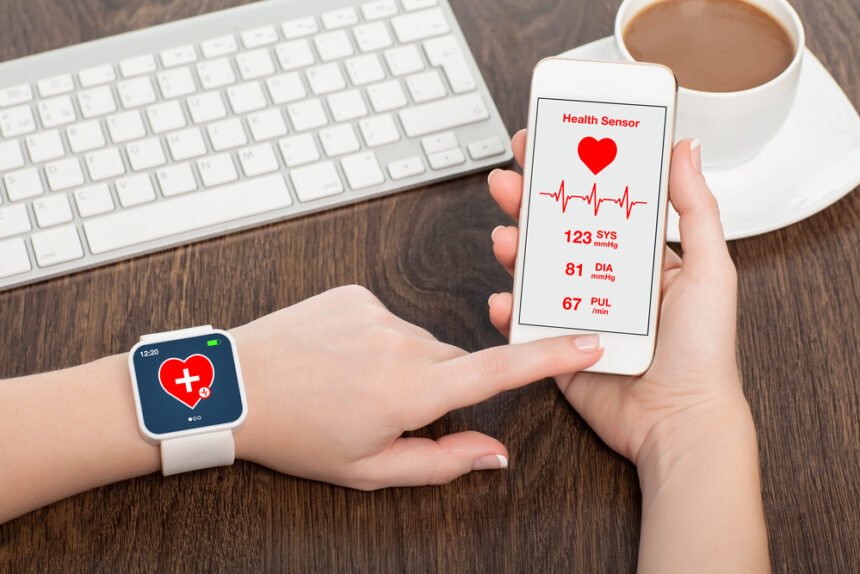
Mobile Health apps appeared on the app market not so long ago. In fact, they are a so-called respond to the global digitalization of the daily routine including health and wellness. And a high demand for mobile healthcare apps is not a surprise. Both patients, as well as physicians, use mHealth apps. Firstly, mobile telephones are extremely convenient to track health data as no one leaves home without a cell phone. mHealth apps can even signal your doctor or call the ambulance when something goes wrong. Moreover, such apps allow the doctors to get valuable information about the state of the heath during a particular period of time. Thus, they can produce feedback or advice as soon as a patient comes. All this makes mHealth apps a lucrative opportunity for medical business owners to expand the business niche as well as leverage the service. 
How are mHealth apps segmented?
The apps are split according to the functions they perform and how they are used:
| Chronic Care Apps | Medical Apps | Women?s Health Apps |
|
|
|
| Healthcare and Fitness Apps | Medication Management Apps | Personal Health Record Apps |
|
|
|
7 Key Trends in mHealth Development
- Encrypted data
Many Internet users are concerned with Facebook tracking their daily activities. But the chances that records about your last visit to a doctor or bank data can become public are relatively high. The app development agencies are doing their best to achieve the highest level of data security. There are several technologies as blockchain, Google Deepmind, and others to encrypt all texts and images.
- Corporate apps
More than a half of the largest US hospitals develop their own medical app. Such healthcare institutions can build own mobile app solutions and profit from them. Developing an app for healthcare consulting companies is also a lucrative opportunity. The only thing to bear in mind is that the app should have a great and convenient UX for both physicians and patients.
- Artificial intelligence
It?s needless to say that the advent of artificial intelligence has greatly changed the app market as well as app development. AI is ideal as it can recognize speech. Health assistants like Babylon help people identify the diseases. Moreover, AI can even remind the patients to take medications, visit the doctor, run some tests, etc. Lots of medical institutions are doing their best in the field of cancer predictions and other lethal diseases. Watson for Oncology can make predictions about cancer.
- Video chats
Artificial intelligence as well as robots can?t replace the humans completely. There are lots of cases when you can?t go without a human intervention. People still need doctors, and one of the most convenient ways to visit a doctor is a video call. There are lots of apps that offer both reference information about diseases and medications as well as video chats with real doctors. The cost of such apps is somewhat higher when compared with conventional healthcare apps. Since the information must be reviewed by real doctors, and you till need to hire healthcare experts to hold video chats with patients.
- Geolocation
It may be a huge problem to find the nearest emergency care unit especially if you are for the first time in a city. ?Where is the nearest drugstore?? is another question that emerges right after the emergency care unit. Consider adding geolocation and app to your mHealth app. For example, Your.MD can give you location-based answers.
- Wearables
The healthcare apps have much to gain from the classic Android or iOS apps. The market of small wearables including fitness trackers, pulse oximeters, mobile heat rate and blood pressure monitors is predicted to grow by 30% by 2021.
- Engagement
Medical routines are full of stress for both patients and physicians, Moreover, working on healthy habits can drive anyone crazy. The solution? Make such daily routines funny. Play a game with them. WebMD offers funny pregnancy quizzes. If you want to develop a healthcare app, gamification is something that can help you win over the users.
Wrapping Up
While summing, here are three small pieces of advice to make your future mHealth app better:
- Know your target audience. Apps for clinicians and average users differ completely in design and functions.
- Think about the user experience first. Never compromise on poor design even if your app will have advanced functionality but bad design, the app won?t become popular.
- Provide the users with the opportunity to interact with the healthcare providers.