We use cookies, including third-party cookies from Google to serve personalized ads through AdSense, to operate this site and understand how it is used. By continuing to browse, you accept this use. See our Privacy Policy and Terms of Use for details, including how to opt out of personalized advertising.
Accept
Health Works CollectiveHealth Works CollectiveHealth Works Collective
  • Health
    • Mental Health
  • Policy and Law
    • Global Healthcare
    • Medical Ethics
  • Medical Innovations
  • News
  • Wellness
  • Tech
Search
© 2023 HealthWorks Collective. All Rights Reserved.
Reading: 10 Innovative Ways to Improve the Patient Experience
Share
Notification Show More
Font ResizerAa
Health Works CollectiveHealth Works Collective
Font ResizerAa
Search
Follow US
  • About
  • Contact
  • Privacy
© 2023 HealthWorks Collective. All Rights Reserved.
Health Works Collective > Policy & Law > Public Health > 10 Innovative Ways to Improve the Patient Experience
Public Health

10 Innovative Ways to Improve the Patient Experience

thielst
thielst
Share
4 Min Read
Image
SHARE

Image

Image

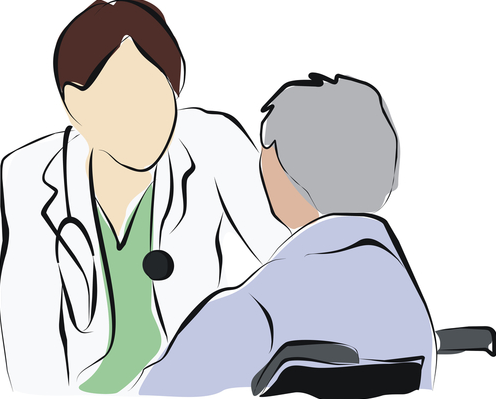
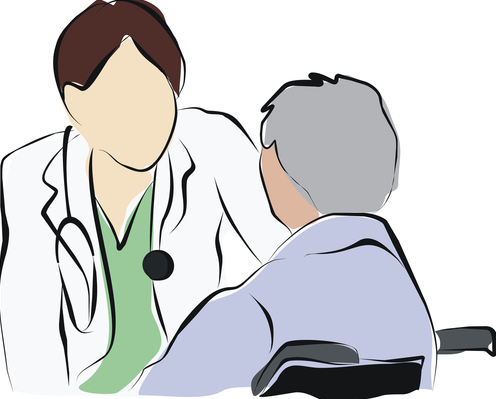
Catalyst surveyed 400 Baby Boomer patients and came up with a list of 10 DOs & DON’Ts  — new ways for doctors and doctors’ office staff to improve the patient experience. “While many practices are struggling to meet basic patient expectations, some are doing very well and want to go further in providing an exemplary patient experience,” says Dan Prince, President of Catalyst Healthcare Research. “Ten of the ideas we tested in the study were in that spirit. We feel that innovators in healthcare will ultimately implement one or more of these ideas as a way of building stronger patient loyalty and differentiated brands.” Here are a few…

DO… (% of respondents who said that this behavior would make their patient experience better)

More Read

Can “Portfolio Theory” Be Applied to NIH Funding Decisions?
Five Accelerants to the Adoption of Connected Health
The Cost of Treating Uninsured Care – The Whistleblower Weighs In
Report: Avoidable ‘Never Events’ Increase in Minnesota Hospitals
Healthcare Progress Depends On “E Interventions”
  • …hand a patient a printed summary of their visit as they leave the office, including the diagnosis and recommended plan of action (88%)
  • …talk to a patient about changing their behavior rather than immediately prescribing a drug for their situation (86%)
  • …provide a patient with a reliable estimate of their charges for a specific surgical procedure that they need (82%)
  • …offer an app that allows a patient to log in securely to see their test results, send private messages to the doctor, etc. (66%)
  • …send a patient a text message about 30 minutes before their scheduled appointment to tell them if the doctor is running on schedule (64%)
  • …use a mobile device (smart phone or tablet) to look up information about a drug before telling a patient about it (60%)
  • …offer free WiFi so that a patient can connect to the Internet while they are waiting to see the doctor (35%)

DON’T… (% of respondents who said that this behavior would make their patient experience worse)

• …spend most of your time typing on a computer, not making eye contact with a patient (84%)

• …schedule a patient to see their doctor but then have a nurse practitioner visit with them (67%)

• …avoid confronting or encouraging a patient to change their personal behaviors that are affecting their health (like smoking or obesity) (59%)

Baby Boomers were selected as the focus of this study because they represent a large and vocal segment of society. In addition, they are becoming heavy users of healthcare as they age, with 10,000 Baby Boomers becoming eligible for Medicare every day. “If we take this population’s perspective seriously, doctors and practice staff have the opportunity to change their behaviors such that today’s patient experience will be more in line with today’s patient expectations,” Prince adds.

Did you see emerging technologies on the list? OK, so I helped highlight them and you couldn’t miss them.  Just keep in mind, boomers aren’t yesterday’s seniors– they are a whole new breed and they have arrived!

photo:chubphong/shutterstock
TAGGED:doctor/patient relationship
Share This Article
Facebook Copy Link Print
Share

Stay Connected

1.5KFollowersLike
4.5KFollowersFollow
2.8KFollowersPin
136KSubscribersSubscribe

Latest News

Advances in Diagnostic Tools for Early Detection of Dementia -- AI-generated illustration
Advances in Diagnostic Tools for Early Detection of Dementia
Diagnostics
August 1, 2026
How Virtual Schools Deliver Therapy and Special-Education Support for Children With Disabilities -- AI-generated illustration
How Virtual Schools Deliver Therapy and Special-Education Support for Children With Disabilities
Health News Therapy
July 31, 2026
mri technology
Why Preventive MRI Maintenance Is Essential for Hospitals
Business Hospital Administration
July 24, 2026
senior on computer
Health and Digital Safety Risks Older Adults Should Know
Senior Care
July 24, 2026

You Might also Like

BusinessNewsPublic Health

How is Gaming Changing the Landscape in Health Care? Part 3 | Bill Crounse, MD, Microsoft

January 7, 2012
Angelina Jolie breast cancer
DiagnosticsMedical EthicsPolicy & LawPublic HealthWellness

Angelina Jolie, BRCA1, Public Health and Patent Law

May 18, 2013

Adverse Drug Reactions Responsible for Nearly 100K Acute Hospitalizations in Elderly

November 28, 2011

Is Salt a Public Health Danger?

December 29, 2011
Subscribe
Subscribe to our newsletter to get our newest articles instantly!
Follow US
© 2008-2026 HealthWorks Collective. All Rights Reserved.
  • About
  • Contact
  • Privacy
Welcome Back!

Sign in to your account

Username or Email Address
Password

Lost your password?