
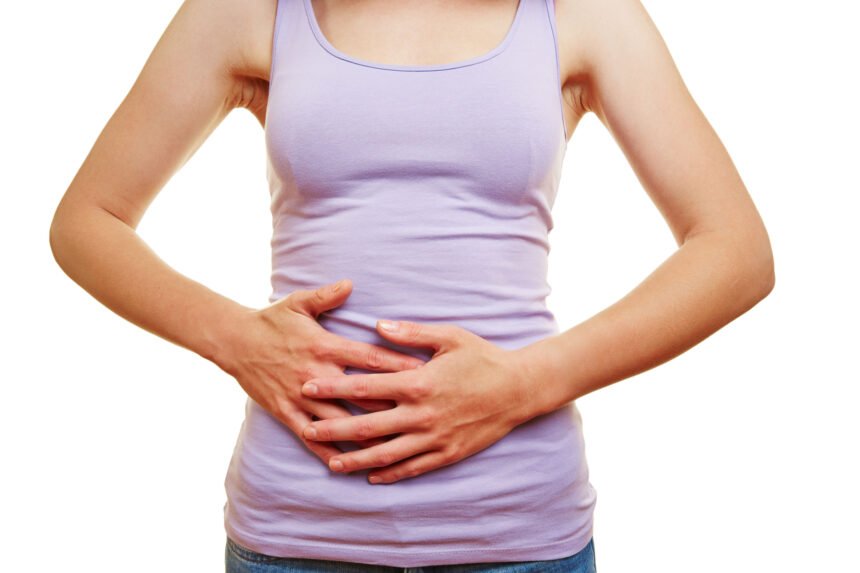
The consequences of digestive problems can range from uncomfortable to life-threatening, so it’s important to keep an eye out for potential issues. If you or someone you look after has started showing signs of digestive issues, here are some potential causes.
Keep in mind that while you can do your best to self-diagnose and fix things at home, if the trouble persists or becomes more severe it’s important to talk to a specialist. Persistent digestive troubles can be a symptom of a more serious condition.
1 – Lack of fiber
On top of helping keep you regular, a fiber-rich diet can also reduce your risk of diabetes and cardiovascular diseases, on top of helping facilitate the digestive process in general. Lack of fiber in the diet can lead to constipation, bloating, and an overall feeling of fatigue after meals or bowel movements.

High-fiber diets have also been linked to a reduced risk of digestive conditions. This includes common problems like reflux, hemorrhoids, ulcers, IBS, and more.
Dietary fiber is common in whole grain foods. Fruits, vegetables, oats, beans, apples, and various other foods are good sources of fiber as well. And of course, there are also fiber supplements available in the market. Just be mindful of the amount, as too much fiber can also cause issues.
2 – Gut flora issues
The human digestive system is a team effort. Our body works alongside various types of beneficial microorganisms in order to break food down into its chemical components. Some gut bacteria are even directly responsible for synthesizing some vitamins that the body can’t produce in any other way. So of course, major disruptions in the health of our gut flora can lead to serious and lasting digestive issues.
The most common cause of gut flora issues is the overuse of antibiotics. And consuming fermented foods rich in probiotics is one of the best ways to help the gut flora recover. Popular options include yogurt, jun kombucha, fermented fruits, and fermented vegetables. Some types of cheese are also rich in probiotics.
3 – Vitamin deficiencies
Vitamins play a big role in every one of our bodily systems, so it’s no surprise that certain vitamin deficiencies will also affect our digestive health. Vitamin B12 deficiency in particular is known to cause nausea, constipation, gas, and more.
Vitamin B12 deficiency is more common among the elderly. And since Vitamin B12 is very common in everyday food items, its deficiency is usually caused by an underlying condition. Good sources of vitamin B12 include meat, dairy products, eggs, fish, and more.
Vegans are another group that is susceptible to suffering from Vitamin B12 deficiency since there are very few non-animal sources of the vitamin. If you have recently switched to a vegan diet, you’ll need to either buy vegan products that have added vitamin B12 — some brands of soy milk have started adding this vitamin, for example — or take B12 supplements directly.
4 – Stress
Stress can negatively impact nearly every area of our health, including our digestion. Constipation, bloating, gut inflammation, and more can all be either caused or accentuated by stress. Some people will even hold tension in their stomach, physically contracting their abdominal muscles when they are anxious or tense, which can cause pain and digestive problems. Stress can also make irritable bowel syndrome worse by accentuating the symptoms of the disease in a variety of ways.
The solution is to keep an eye out for signs of stress built up in your body, and then figure out effective ways to decompress. Exercise, meditation, and following a regular sleep cycle can all be effective ways to help your body regulate its stress level.
5 – New food allergies
Food allergies can cause all sorts of digestive issues. To make matters worse, new allergies can develop on people of all ages seemingly at random. This means that something you’ve been eating every day may suddenly start causing issues.
Paying attention to when symptoms get worse and keeping a food diary can help you narrow down the cause of the allergy, assuming that’s the issue. And taking an allergy test can help confirm the problem.
6 – Improper chewing
Chewing is an important part of the digestive process. It helps break down food and prepare it for the rest of the digestive process. On top of that, your digestive system is optimized for chewed food, so chewing too little or swallowing food whole can lead to bloating, acid reflux, heartburn, cramps, nausea, and various other digestive problems.
You can fix these issues by chewing more calmly. It’s often easier to do if you reduce the amount of food you place in your mouth at once, and proceed to count how many times you have chewed the food. Experts recommend that you chew each bite of food about 32 times. The goal is to chew until the food loses all its texture. For soft foods like watermelons, the number of chews required might be much smaller, while hard meats might require 40 chews or more.