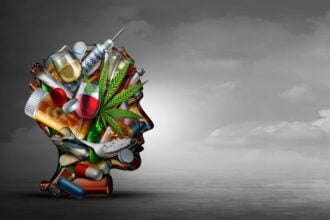

Myths about addiction create stigmas around the disease and often make it difficult for an individual to achieve recovery. Here are some common myths about addiction and why they’re not true.
A Relapse Means That an Individual Is Incapable of Recovery
Addiction is a lifelong disease with no cure, but there are ways to manage it. It requires constant effort from the individual who has it. The recurrence of symptoms, or a relapse, is very common no matter what kind of addiction an individual has. One study found that 85% of individuals continue using nicotine, alcohol, and illicit drugs within one year of their treatment. However, individuals can still recover from their addiction successfully by starting treatment again or participating in more intensive programs.

Prescription Drugs Can’t Be Addictive Because a Doctor Prescribes Them
Doctors may prescribe patients medicines like opioids to relieve pain after surgery or benzodiazepines to manage certain mental health conditions. If a patient takes these prescriptions as their doctors intended, they may experience an improvement in their symptoms. However, prescription drugs are often addictive in nature. When a patient misuses them, they can develop an addiction to them.
Addiction to prescription drugs may be more common than you think. These types of drugs are some of the most abused substances in the United States alongside substances like marijuana and cocaine. It’s important for patients to only take what doctors prescribe to them and recognize when they no longer need the medicine.
Addiction Mostly Affects a Certain Group of People
Addiction doesn’t favour any one group of people. It affects people of varying ages, genders, and ethnicities. Individuals who have a stable job and family life may fall victim to addiction just as likely as those who have more instability in their lives.
Willpower Is All It Takes To Stop an Addiction
Abusing substances often results in extreme changes to an individual’s brain chemistry. The person may begin engaging in particular behaviours or acting impulsively to find or consume a substance. Thoughtful treatments can help an individual overcome their addiction and improve their chances of staying in recovery.
An individual may seek multiple treatment options to help manage their addiction. For example, they may participate in cognitive behavioural therapy or rational emotive behaviour therapy. They can undergo a medically-assisted detox to lessen the severity of intense withdrawal symptoms. An individual suffering from addiction can also recover by attending group counselling sessions or staying at an inpatient treatment centre.
Addiction Is the Individual’s Fault
Addiction is never an individual’s fault. It’s a disease that results from various factors, including a person’s past trauma and upbringing. Genetic factors also play a role, as anywhere between 40% and 60% of the risk for addiction is genetic. For example, the children of individuals who are dependent on alcohol are up to five times more likely to develop an addiction than their peers.
Even though addiction isn’t an individual’s fault, it’s important to not excuse an individual’s negative behaviour. When they take responsibility for their actions and seek help, they can improve the quality of their life and the lives of those close to them.
If you want to further discuss common myths about addiction, Canadian Centre for Addictions is a good resource.