
Orthopedic care is of paramount for helping us maintain our overall health. This specialized branch of medicine focuses on the diagnosis, treatment, and prevention of disorders and injuries related to the musculoskeletal system, which includes bones, joints, muscles, ligaments, and tendons. The musculoskeletal system plays a fundamental role in supporting body structure and facilitating movement, making orthopedic care crucial for daily functioning.
Orthopedic specialists address a wide range of conditions, from fractures and arthritis to sports injuries and congenital disorders. By providing tailored treatment plans, including surgical and non-surgical interventions, orthopedic care aims to alleviate pain, restore mobility, and improve the quality of life for patients. Moreover, as the global population ages and engages in various physical activities, the demand for orthopedic care continues to grow, underscoring its essential role in promoting and maintaining a healthy and active lifestyle.
The field of orthopedics is vast, and it infiltrates multiple other areas of medicine. Orthopedic surgeons, such as K. Mathew Warnock, MD, perform a wide variety of surgeries with the aim of overcoming joint and musculoskeletal issues, and improving overall quality of life.
People of all ages can suffer from orthopedic-related problems that require the professional input of an orthopedic doctor or physical therapist. Below, we have discussed six of the most common orthopedic procedures and why they are performed.
More Read

Joint Replacement Surgeries
Joint replacement surgeries aim to improve functional movement, reduce pain, and enhance the quality of life for those dealing with joint health problems or degenerative joint diseases.
Although there are many joints throughout the body that may be replaced, hip and knee replacements are some of the most common joint surgeries performed by an orthopedic surgeon. Many joint replacements last a decade or more, providing long-term improvements in overall health.
Correction of Deformities
Those born with genetic deformities or birth abnormalities or individuals who have a deformity resulting from an injury may undergo corrective surgery. This type of orthopedic intervention can improve both the aesthetics and functionality of the affected area of the body.
Arthroscopic Procedures
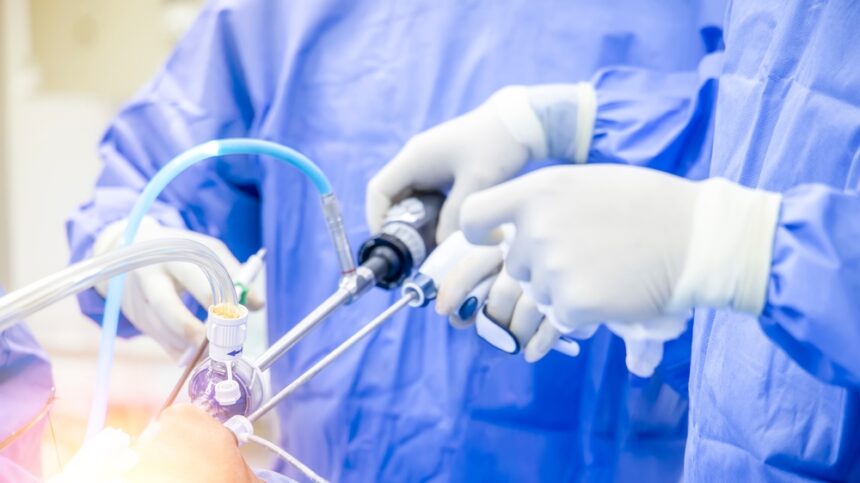
Technological advancements have enabled modern-day orthopedic surgeons to undergo specialized interventions called arthroscopic procedures. These procedures are minimally invasive, reducing the total recovery time and complication risks for orthopedic patients.
Most commonly, arthroscopic procedures are used for torn ligaments, cartilage damage, and arthritic issues (joint inflammation). They are not appropriate for major joint deformities or significant joint degeneration.
Back and Spinal Treatments
Orthopedic procedures are essential for addressing back and spine issues. Orthopedic procedures, such as laminectomy, discectomy, or spinal fusion, may involve corrective treatments for herniated discs, lumbar spinal stenosis, and scoliosis.
After undergoing back and spinal orthopedic treatment, a patient may find that they can walk with a better gait, participate in additional forms of exercise, and enjoy a wider variety of hobbies. They should also see improvements in their overall functionality and quality of life.
Preventative Treatment
Many orthopedic surgeons offer preventative treatments to their patients to manage existing medical conditions or prevent damage to the joints.
Preventative interventions must be well-timed and well-thought-out, and orthopedic surgeons must assess their patients’ needs carefully before offering this type of surgery. However, they can be highly effective when performed correctly and safely.
Timely preventative intervention can halt the progression of degenerative diseases, which can reduce the risk of complications and improve long-term outcomes for orthopedic patients.
Fracture Repair
Orthopedic surgeons can perform specialized surgeries to repair bone fractures, preventing them from worsening and promoting optimal bone healing. Fracture repair procedures often require surgical implants such as plates, screws, or rods (usually made out of metals). These components facilitate the healing process and ensure the bones heal in the correct orientation to avoid deformities.