

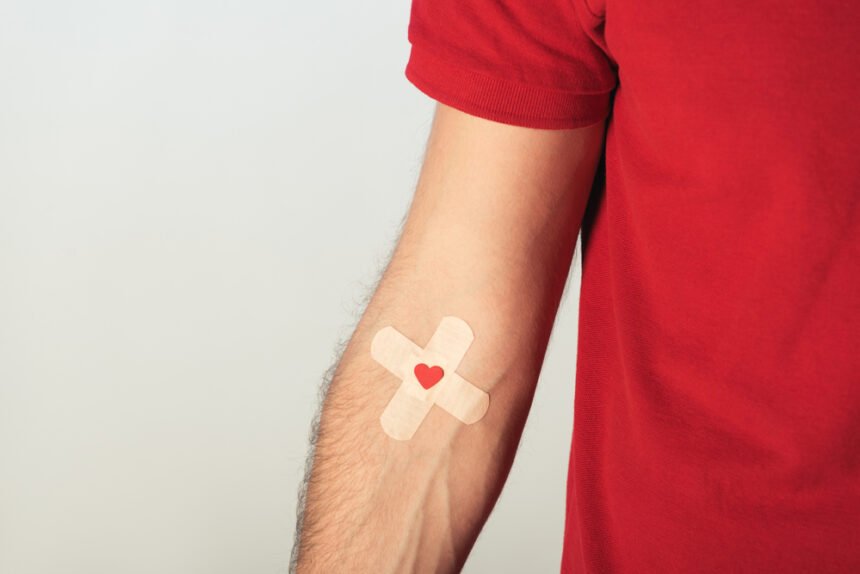
Each day, around 36,000 units of donated blood are used in the US. People who have chronic conditions such as cancer or sickle cell disease require regular transfusions as part of their treatment. Severe trauma such as car accidents can require up to 100 pints of blood to save a life.
- 1. You get a free mini-health screening.
- 2. Donating blood is good for liver health.
- 3. Giving blood may decrease your risk of heart attack.
- 4. Giving blood means your next snack is essentially calorie-free.
- 5. Donating blood is good for your mental health and emotional well-being.
- 6. Blood donation can cut cancer risk.
- Summing Up
We talked in the past about some of the misconceptions about donating tissue and organs. We feel you should also be informed before donating blood as well.
While the societal benefits of blood donation are obvious, few people realize that there are benefits to the donor, as well. These are some of the reasons that giving blood is as good for you as it is for your community.
1. You get a free mini-health screening.
Before someone is allowed to donate blood, they get their vital signs checked. This can help reveal health issues such as high blood pressure. Since high blood pressure doesn’t have any noticeable symptoms, screenings are usually the only way people catch it.
More Read

Your blood will be analyzed to give you your hemoglobin levels. These can be either too high or too low. Getting information can help you easily correct the issue.
The screening will also include tests for common diseases that include hepatitis B & C, West Nile virus, and HIV.
The screening will also reveal your blood type. This can be great information to have if you face surgery or another issue that requires a transfusion for yourself.
2. Donating blood is good for liver health.
Researchers say that the levels of nonalcoholic fatty liver disease have reached epidemic proportions in recent years. Because donating blood reduces iron stores, it can help protect the liver. When people have too much iron in their blood, it can put excessive stress on the liver. While there are a number of factors that affect someone’s risk for fatty liver disease, this is an easy one to address while doing good at the same time.
3. Giving blood may decrease your risk of heart attack.
Researchers found that donating blood could reduce heart attack risk by as much as 88%. The benefit is most dramatic for men and for post-menopausal women. This is because those are two groups who can easily wind up with excessive iron stores in their blood. Excess iron is linked to higher blood viscosity, which can contribute to high blood pressure and blood clots.
4. Giving blood means your next snack is essentially calorie-free.
Your body requires around 500 calories to replace the amount of blood drawn in a single donation. This is why people who donate blood are offered juice and cookies while they relax after donation.
These days, most of us consume more calories than we should. While blood donation is not a viable way to lose weight, you can enjoy a treat afterward with less worry about the calorie impact.
5. Donating blood is good for your mental health and emotional well-being.
Study after study shows the high personal benefits of altruism. When we do good things for other people, we are paid back in the form of a lower risk for depression, a higher level of life satisfaction, and a longer, healthier life in general. Altruism is a proven way to fight anxiety.
Donating blood benefits your community in ways that are immediate. On average, a single blood donation can benefit three people in your community very soon after donation. Knowing that you are doing good is good for your health and your personal outlook.
6. Blood donation can cut cancer risk.
People who have too much iron in their blood are also at increased risk for different types of cancer. While most people will see only minimal benefit in this area, those with a rare blood condition known as hemochromatosis can see a real reduction in their cancer risk.
About one in every 200 people has a genetic condition that causes their body to retain excessive amounts of iron. Individuals with hemochromatosis have higher risk of cancer and other health issues. However, blood donation has been found to effectively reduce iron levels enough to keep people with excess iron healthier.
Summing Up
In many parts of the country, blood bank stores regularly dip to critical levels. Blood donation drives are held regularly in areas all over the country to address this need. Donating blood takes less than 15 minutes, but can provide life-changing benefits for someone in your community. You can donate blood every eight weeks. Over time, this can be a significant benefit to your community.
Plus, the good news is that, when you are helping others, you are helping yourself as well. The payback for a few minutes of your afternoon can resonate through your whole day, and someone else’s.





.jpg)
