
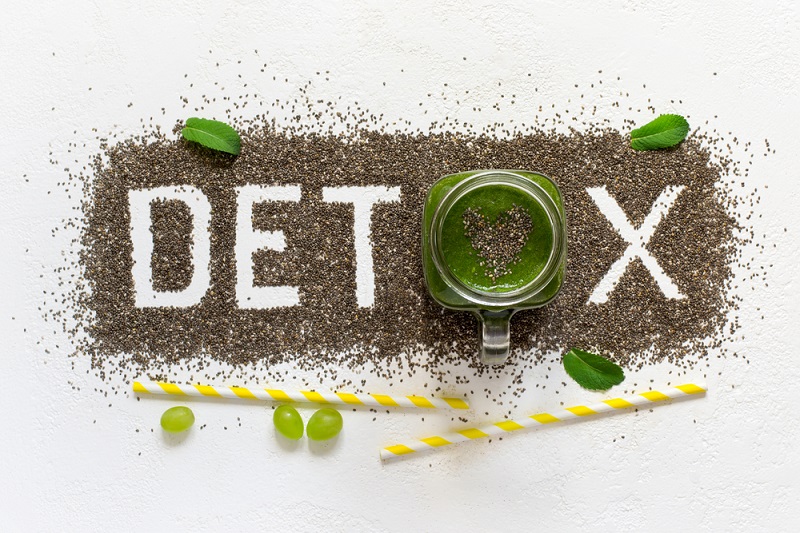
In today’s pollutant-plagued world, the human body is exposed to tons of toxins daily. When moving through our day-to-day lives, our bodies absorb harmful chemicals from food, air, water, and plastics like a sponge, leaving us to face the nasty side effects. This is why we have talked about the benefits of toxin free personal care products and other ways to remove toxins from your life.
Schwartzapfel Lawyers, a team of toxic exposure attorneys in New York, urge victims to acknowledge the harmful changes toxins can make to your physical body and its ability to function. From there, you can learn how to mitigate risks. Should you trace back your failing memory and skin irritations back to a toxic workplace, be sure to contact a toxic exposure attorney immediately.
Ready to lead a toxin-free lifestyle? Read on to learn seven tips on reducing daily toxin exposure:
Filter water
While it may be tempting to trust tap water’s contents, experts advise against these reckless drinking habits. It’s no secret a lot of city water is treated with fluoride and chlorine and contains harmful chemicals such as heavy metals, microplastics, pharmaceutical residues, which are detrimental to human health. It is a good idea to start with pure water to remove toxins.

A water filter is an essential tool for making drinking water safe and the first step to reducing exposure to toxins. By leaving tap water behind, you can look forward to a toxin-free future and avert health crises ahead.
Avoid grooming products with carcinogenic ingredients
Avoiding beauty products containing carcinogens is another measure to take to reduce daily toxin exposure.
Most lotions, make-up, and shampoos contain formaldehyde, benzene, phthalates, parabens, and cadmium, all of which are hormone disruptors. Post-skin-care-ritual, these toxins are absorbed into the bloodstream, causing health problems and conditions like skin cancer.
For this reason, you should know the ingredients of the beauty products you use. For those skincare fanatics hoping to avoid scanning the contents label on a carcinogen scavenger hunt, some apps can help you identify how clean a beauty product is.
Eat organic
The foods we consume today are often drenched with pesticides known for their host of harmful chemicals. These chemicals contain group 1 carcinogens, which cause cancer in humans.
Therefore, it’s time to go back to our roots and start eating organic foods. If it’s hard to afford organic foods, then ensure you wash produce with baking soda. This toxin-reducing best practice comes highly recommended, as research shows that baking soda can strip up to 96% of pesticides.
Limit the use of plastics
Eating or heating food in plastics is highly discouraged. That’s because plastic releases harmful chemicals such as phthalates and BPA.
What experts recommend is using microwave-safe dishes or glass if unsure about your plastics.
Additionally, scratched water bottles and dishes can leak BPA into food. To avoid toxin exposure, discard defect-ridden plastics immediately.
Avoid processed meat products
According to the World Health Organization, processed meat products such as chicken nuggets, deli meat, and hot dogs are a group 1 carcinogen. As mentioned earlier, carcinogens can cause cancer, meaning a backyard barbeque could put you at risk for a life-threatening disease.
To eliminate these carcinogen-heavy staples from our diet, incorporate organic meat and whole foods into your daily meals. For best results, consider a plant-based diet.
Take off shoes when inside the house
Shoes carry dust, bacteria, viruses, and pesticides from the germ-ridden outside world. Because young children and infants in the house may lick or touch contaminated surfaces, like the floor or nearby walls, and then stick their fingers in their mouths, swallowing these toxins is an unfortunate reality.
Therefore, leaving one’s shoes out and making the home a no-shoes household is one efficient way of avoiding toxins and protecting children’s health.
Install a vacuum with a HEPA filter
Unbeknownst to most, household plastics release BPA (bisphenol A) and phthalates. Note that emissions from household items, such as VOCs (Volatile Organic Compounds) from shower curtains and sofas are full of flame retardants, spelling disaster for your immunocompromised residents.
Sadly, making toxin-free swaps for these household essentials may not be possible due to the costs involved. However, an instant solution involves vacuuming with HEPA Filter. The filter will eliminate contaminants at home or office, allowing your home’s residents to inhale clean, non-toxic air.
Wrap up
Though toxins are ubiquitous, there are tools and strategies you can employ to help curb their effects. Sadly, there are situations where toxic exposure is an inevitable everyday hazard at the workstation. In such cases, you must seek out legal representation.