
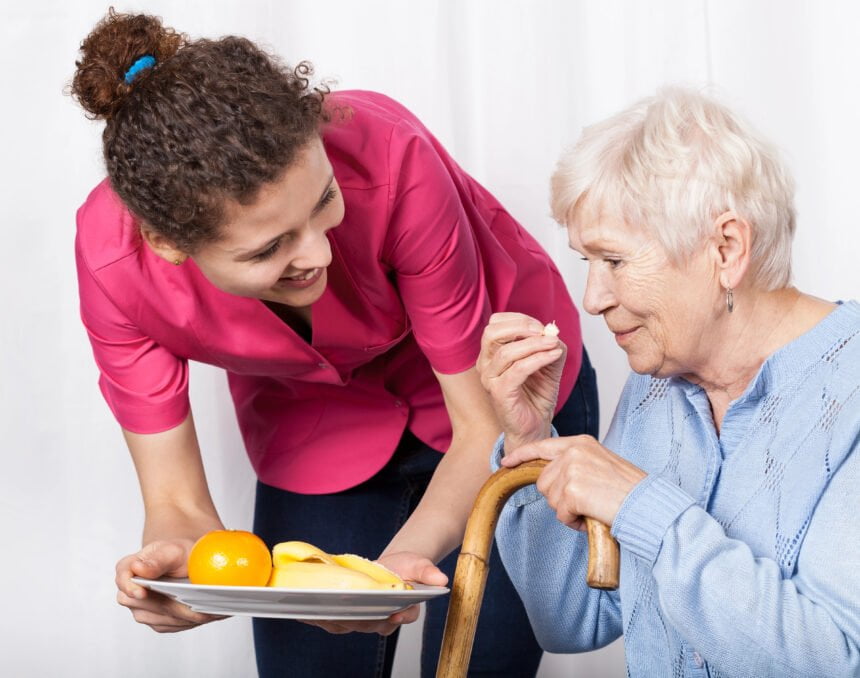
Compassionate staff in senior communities make a world of difference. Their empathy and dedication shape residents’ daily experiences and impact everything from mental health to trust.
- Compassionate Staff Have a Positive Impact on Seniors’ Mental Health
- Having Compassionate Staff Helps to Reduce Seniors’ Feelings of Loneliness and Isolation
- The Compassion of Staff Builds Trust Among Senior Residents
- More Personalized Care Can Be Given When Staff Are Compassionate
- New Residents Can Experience Smoother Transitions When Staff Are Compassionate
- Compassionate Staff Also Have a Positive Impact on Family Members of Senior Residents
- Final Thoughts
Join us as we dive into how compassionate care transforms on-campus senior care settings into places of comfort and well-being.
Compassionate Staff Have a Positive Impact on Seniors’ Mental Health
Having compassionate staff directly impacts the mental health of seniors. Being treated with kindness and understanding matters, especially in an on-campus senior care setting.
When caregivers show genuine empathy, residents experience less stress and anxiety. This sense of comfort promotes emotional well-being and can even lead to improved cognitive function over time.

Caring interactions foster a positive atmosphere where seniors feel valued and understood. So, compassionate staff can make all the difference, turning a potentially challenging environment into a nurturing home-like space where mental health thrives.
Having Compassionate Staff Helps to Reduce Seniors’ Feelings of Loneliness and Isolation
Compassionate staff play a crucial role in reducing loneliness and isolation among seniors. Picture the impact of daily meaningful interactions on residents’ well-being. These caregivers don’t just perform tasks; they form genuine connections, providing companionship that combats feelings of solitude.
In a senior care community, such relationships are vital. They create a sense of belonging, making seniors feel less isolated and more integrated into their surroundings.
This social engagement significantly improves their quality of life, promoting both mental and physical health by fostering an environment where everyone feels included and valued.
The Compassion of Staff Builds Trust Among Senior Residents
Compassionate staff are key to building trust and security among senior residents. Think about it: when caregivers approach their duties with empathy, they create a safe space for the elderly.
In on-campus settings, trust isn’t just beneficial—it’s essential. Seniors feel more secure knowing that their well-being is genuinely cared for by attentive staff. This trust fosters open communication, allowing residents to express concerns or needs freely.
Consequently, it enhances overall satisfaction with the care provided and ensures that seniors live in an environment where they feel protected and valued every day.
More Personalized Care Can Be Given When Staff Are Compassionate
Compassionate staff members excel at providing personalized care that goes beyond standard protocols. Instead of sticking to rigid schedules, these caregivers tune into each resident’s unique needs and preferences. In a senior care setting, this approach means adapting activities and routines to suit individual lifestyles. It’s like having a tailor-made plan for daily living, ensuring seniors feel truly understood and attended to.
This personalization leads to higher satisfaction and better health outcomes because residents receive care that respects their individuality rather than a one-size-fits-all method.
New Residents Can Experience Smoother Transitions When Staff Are Compassionate
Compassionate staff make transitions smoother for new residents in senior communities. Moving into an on-campus care environment can be daunting, but empathetic caregivers ease this shift with patience and understanding. They help new arrivals acclimatize by providing emotional support and personalized attention during the adjustment period.
Imagine the relief of having someone genuinely invested in making you feel at home from day one. This thoughtful approach reduces anxiety and helps seniors settle into their new surroundings more comfortably, ensuring a positive start to their next chapter in life.
Compassionate Staff Also Have a Positive Impact on Family Members of Senior Residents
Compassionate staff significantly improve family relationships and provide peace of mind. When families know their loved ones are treated with empathy in a senior care setting, their worries ease. They see firsthand the genuine connections caregivers form with residents, which builds trust and reassurance.
This confidence allows family members to relax, knowing their relatives receive not just professional care but heartfelt attention. It also strengthens bonds between families and staff, fostering a collaborative environment where everyone works together for the seniors’ well-being. As a result, it brings peace of mind to all parties involved.
Final Thoughts
Empathy and genuine care from staff shape the heart of any thriving senior community. Compassionate staff members elevate the standard of living, making every day brighter for residents.
So, as you consider senior care options, remember that compassionate caregivers are essential. Their kindness not only enriches lives but also creates a nurturing environment where seniors truly feel at home.