By using this site, you agree to the Privacy Policy and Terms of Use.
Accept
Health Works CollectiveHealth Works CollectiveHealth Works Collective
  • Health
    • Mental Health
  • Policy and Law
    • Global Healthcare
    • Medical Ethics
  • Medical Innovations
  • News
  • Wellness
  • Tech
Search
© 2023 HealthWorks Collective. All Rights Reserved.
Reading: EHRs Now Predict a Connection Between Type 2 Diabetes and Dementia
Share
Notification Show More
Font ResizerAa
Health Works CollectiveHealth Works Collective
Font ResizerAa
Search
Follow US
  • About
  • Contact
  • Privacy
© 2023 HealthWorks Collective. All Rights Reserved.
Health Works Collective > eHealth > Remote Diagnostics > EHRs Now Predict a Connection Between Type 2 Diabetes and Dementia
eHealthRemote DiagnosticsSpecialtiesTechnology

EHRs Now Predict a Connection Between Type 2 Diabetes and Dementia

waxcom
waxcom
Share
2 Min Read
SHARE

Use of electronic health records (EHRs) has begun to skyrocket in the past few years. Currently, 70 percent of family physicians have adopted them in their practices, and that number is projected to rise to 80 percent by the end of 2013.

Use of electronic health records (EHRs) has begun to skyrocket in the past few years. Currently, 70 percent of family physicians have adopted them in their practices, and that number is projected to rise to 80 percent by the end of 2013.

EHRs and predictive healthEHRs aren’t just a great way to keep health records organized for patients and doctors. They also can provide valuable analytics. According to a recent study published in The Lancet Diabetes & Endocrinology Journal, researchers can now predict specific risk factors and develop a predictive score to track the risk of developing dementia in patients with type 2 diabetes.

The 20-point risk score, the first to be developed specifically for diabetic patients, is based on each patient’s personal history. Microvascular disease, diabetic foot problems, cardiovascular disease, age, depression, acute metabolic events and other health factors each contribute a point to the score. For patients with a score between 12 and 19, the risk of developing dementia was 73.3 percent.

More Read
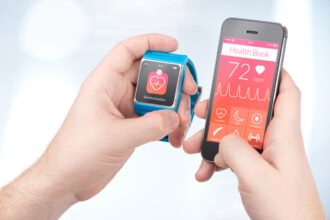
Anxious? Try These Healthcare Gadgets That Relieve Anxiety
Further Disruptive Changes in Health Care Delivery
Essential Apps for Tracking Health and Wellness
New Website Helps Patients Avoid Bad Medical Treatments
Eyeglasses vs. Contacts – An Unbiased Comparison

The findings represent a good example of how this emerging area of research using EHR data can help reduce unnecessary healthcare costs and improve care that can keep patients healthier for longer.
TAGGED:dementiatype-2 diabetes
Share This Article
Facebook Copy Link Print
Share

Stay Connected

1.5KFollowersLike
4.5KFollowersFollow
2.8KFollowersPin
136KSubscribersSubscribe

Latest News

How Online Therapy Is Improving Mental Health Outcomes
Therapy
February 6, 2026
fight againt cancer
Breakthroughs in RNA Sequencing Provide New Insights in the Fight Against Cancer
Cancer News Specialties
February 1, 2026
aging in modern healthcare
Why Aging in Place Is Becoming a Cornerstone of Modern Healthcare
Global Healthcare Senior Care
January 29, 2026
Mental Health EHR
What Are the Core Features of a Mental Health EHR?
Mental Health Therapies
January 28, 2026

You Might also Like

Device Companies Renew Interest in Startups

March 12, 2011
SpecialtiesWellness

5 Interesting Things You Didn’t Know About Blood Vessels

April 29, 2019
Diabetic
DiabetesHealthMedicareSpecialties

Top 7 Tips to Save Money on Your Diabetic Medical Care

August 29, 2022

Linking Meaningful Use and HIT Sector Consolidation

October 16, 2012
Subscribe
Subscribe to our newsletter to get our newest articles instantly!
Follow US
© 2008-2025 HealthWorks Collective. All Rights Reserved.
  • About
  • Contact
  • Privacy
Go to mobile version
Welcome Back!

Sign in to your account

Username or Email Address
Password

Lost your password?