By using this site, you agree to the Privacy Policy and Terms of Use.
Accept
Health Works CollectiveHealth Works CollectiveHealth Works Collective
  • Health
    • Mental Health
  • Policy and Law
    • Global Healthcare
    • Medical Ethics
  • Medical Innovations
  • News
  • Wellness
  • Tech
Search
© 2023 HealthWorks Collective. All Rights Reserved.
Reading: Engagement: Finding the Healthy Mix
Share
Notification Show More
Font ResizerAa
Health Works CollectiveHealth Works Collective
Font ResizerAa
Search
Follow US
  • About
  • Contact
  • Privacy
© 2023 HealthWorks Collective. All Rights Reserved.
Health Works Collective > eHealth > Medical Records > Engagement: Finding the Healthy Mix
eHealthMedical RecordsMobile HealthPolicy & LawRemote DiagnosticsTechnology

Engagement: Finding the Healthy Mix

etwilson
etwilson
Share
4 Min Read
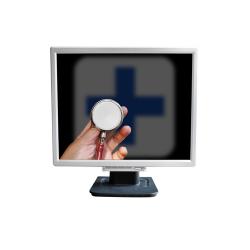
engaging with patients online
SHARE

engaging with patients onlineIs it better to connect online, or face to face?

This modern question of how to engage has become a hot topic in fields ranging from business to education. But major shake-ups in health care delivery make it an important consideration for medical professionals as well.

engaging with patients onlineIs it better to connect online, or face to face?

This modern question of how to engage has become a hot topic in fields ranging from business to education. But major shake-ups in health care delivery make it an important consideration for medical professionals as well.

More Read

Patient Care Over There: A Talk About Global Radiology Practices
Can the “Government Shutdown” Shut Down ObamaCare?
7 Key Factors to Consider When Choosing a Family Dentist
The Right Way to Ask Your Doctor About Medical Marijuana
Online Clinics Work – Government Is the Problem

As hospitals, family practices, and clinics of all sizes make the obligatory shift to digital records, new possibilities for delivery models are opened up, including the old remote health care system popularly known as telehealth. While the drive for telehealth has typically been ensuring access (especially in remote or underdeveloped areas where there are fewer doctors—not to mention specialists), modern infrastructure and data mobility make virtual consultations more broadly viable.

The question is: what combination of remote and physical engagement yields the best health outcomes?

Medicare’s Plan D has quietly incorporated a powerful model for better managing patients with chronic conditions. More engagement—specifically, face-to-face time with their pharmacists—is required under the Medication Therapy Management (MTM) program. Seemingly intuitive (of course more communication reduces abuse and misuse of prescriptions), this program actually builds on several other emerging priorities in medical practice—and could provide important lessons for other care delivery models:

  • MTM is just one example of a growing trend of increasing the involvement of other non-physician professionals in a patient’s comprehensive care. Thanks in part to the Affordable Care Act, prevention is taking priority as an important cost-controlling mechanism. Though reform is needed to bring compensation fully in line with this new reality, primary care is benefitting from an influx of providers beyond physicians.
  • What is more, the MTM model puts a great deal of faith in the promise of Accountable Care. With Medicare money specifically earmarked for MTM services, the survival of the program depends on proving its worth by demonstrating that engagement does in fact help patients manage their medications more effectively.
  • Finally, digital records platforms, under Meaningful Use, should bridge inpatient and outpatient services with respect to pharmacy services. Physicians and pharmacists, by sharing a patient’s EHR, can better ensure everything from the optimal dosage, to the most affordable version of a drug, as well as reconciling their recommendations with the patient’s personal medical history. The patient-facing portal ties it all together, bringing the clinic and pharmacy together in the patient’s own home, and continuing the consultation virtually, as it were, and collecting feedback.

Clearly, much depends on the success of implementing full-scale interoperable EHR platforms, along with integrating providers into an Accountable Care network. While measurements of the success of applied MTM programs have been limited, there have been some promising signs.

In fact, a pioneering clinic in Oregon has gone so far as to bring its MTM pharmacists into its in-patient units, taking engagement even further than Medicare rules currently stipulate. Both patient and provider attitudes have been generally positive to the move.

As more institutions and practices pass their Stage 3 benchmarks for Meaningful Use, more opportunities should emerge to measure and track engagement, and paint a clearer picture of just how much face-to-face time can effectively be replaced—or, in the case of some telehealth efforts established—by virtual systems.

telemedicine / shutterstock

 

TAGGED:telemedicine
Share This Article
Facebook Copy Link Print
Share

Stay Connected

1.5kFollowersLike
4.5kFollowersFollow
2.8kFollowersPin
136kSubscribersSubscribe

Latest News

new talent in nursing
The Fast-Track Paths Bringing New Talent Into the Nursing Workforce
Career Nursing
November 30, 2025
AI agents in healthcare
AI Agents in Healthcare: How Sully.ai’s Virtual Team is Transforming Hospital Operations
Hospital Administration Technology
November 26, 2025
hospitality jobs health benefits
The Health Benefits of J-1 Hospitality Careers
Career
November 23, 2025
healing care
Why Healing Spaces Depend On Healthy Building Systems
Infographics News
November 19, 2025

You Might also Like

The ACA has put patients at the center of healthcare services. A patient-centric healthcare approach in this digital era means a revised definition of quality in the physician-patient relationship. When it comes to healthcare services, patients shell out a hefty amount from their pocket and want nothing less than the best. The services in healthcare are no longer limited to just cost as consumers now evaluate quality and experience in the same equation. Research highlights from the 2015 Healthcare Consumer Trends by National Research Corporation states that reputation in healthcare matters more to consumers when choosing a brand than any other industry, e.g. hospitality, retail, airline, etc. The new generation of quality measurements in healthcare require a different mind-set and a different 'toolbox' to handle the hurdles. It’s the need of the hour for healthcare providers and others across the healthcare value chain to adopt the patient-centric approach for surviving in the vast competitive ocean of healthcare services. Patient-centric care is an approach that develops through effective communication, empathy and a positive physician-patient relationship. The primary purpose is to improve patient care outcomes and satisfaction and to reduce patient symptoms and unnecessary costs. It’s a win-win situation for both physicians and patients. While healthcare providers are able to support their patients in becoming more compliant with treatment and management of their conditions/diseases, patients feel more satisfied with the care that they are receiving. PwC’s Health Research Institute’s annual report 2016 states that health systems should keep an eye on the consumer experience as they expand and extend. More partnerships and more caregivers could mean confusion for patients and poor customer experiences. To differentiate their practice among competitors, patient satisfaction can be used as a competitive distinguishing factor. Although patient satisfaction cannot really provide tangible benefits, but an experience that exceeds patient expectations for what a practice/hospital can provide is very important as it creates loyal patients who return for future health needs and refer their family and friends. Happy and satisfied patients are a secret marketing weapon for healthcare providers, whether they are physicians, dentists, physiotherapists or hospitals. Your patients are the new-age digital health decision-makers. In this era of Internet and social media, they now have multichannel access to information related to health. Needless to mention, they have gained new power to make their decisions; whether it’s choosing a healthcare provider or referring a physician to family and friends. By converting your satisfied patients to be your brand advocates, you can capitalize and use their voice as an effective marketing strategy to reach out to many other potential patients. To strive and thrive, in the U.S. many healthcare organizations are applying patient-centric approaches to healthcare. It’s all about what matters to patients, so it makes a lot of sense for the healthcare industry to place patients' healthcare experience at the center of their policies and procedures. The best deliverables are a combination of great communication for a positive physician-patient relationship, disciplined measurement and analysis of patient feedback and commitment to technology innovation – the formula for improving patient engagement and care.
BusinessHealth ReformWellness

The Link Between Patient Satisfaction and Long-Lasting Relationships

April 28, 2016
Image
Public HealthSpecialties

New CDC Study reports Teen Diabetes Rates Rising

May 24, 2012

Torrid Rate of Growth for Digital Health Funding

June 26, 2012

#CES2014 and #JPM2014: Disparate Meetings Addressing Healthcare’s Future

February 2, 2014
Subscribe
Subscribe to our newsletter to get our newest articles instantly!
Follow US
© 2008-2025 HealthWorks Collective. All Rights Reserved.
  • About
  • Contact
  • Privacy
Welcome Back!

Sign in to your account

Username or Email Address
Password

Lost your password?