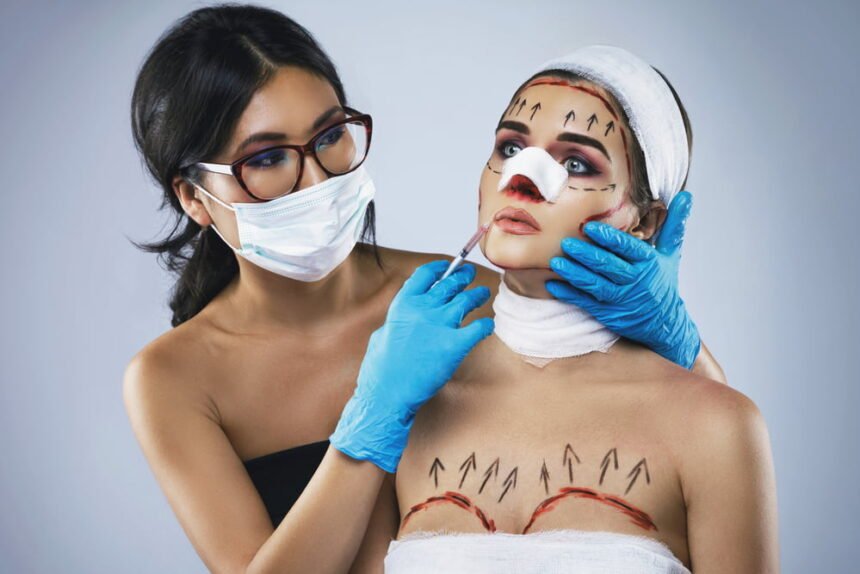
We have talked about some of the benefits and risks of cosmetic surgery in the past. One of the risks that we didn’t delve into much was addiction. Cosmetic surgery addition is a growing concern.
The majority of people are familiar with addictions to substances like alcohol, tobacco, or drugs. Substance addiction is well-reported in the media, and for good reason, but in fact, addiction can take many forms that are both physical and psychological
A person is said to have a “behavioral addiction” if they are addicted to a certain behavior that makes them feel good. As with any type of compulsive behavior, a person’s life (and those of their friends and family) may be negatively affected by a behavioral addiction. An addiction to certain behaviors might result in receiving numerous unnecessary aesthetic procedures, such as cosmetic surgery.
An estimated 2.4% of the population has body dysmorphic disorder, which is the primary cause of plastic surgery addiction. This condition can have a huge impact on quality of life.
More Read
What causes cosmetic surgery addiction?
People frequently dislike one or two of their own physical features, whether they are minor—like a crooked tooth—or more obvious—like a protruding ear or uneven breasts. Some people have Body Dysmorphic Disorder (BDD) and develop an addiction to plastic surgery as a result. If you discover that you are continuously looking for imperfections in your body and requesting additional cosmetic procedures, you should speak to a doctor about your concerns.
What is Body Dysmorphic Disorder?
Body dysmorphic disorder, also known as body dysmorphia, is characterised by excessive worry over flaws in one’s appearance. These imperfections that we see in ourselves are frequently invisible to others, but those with BDD often find that these concerns cause them a disproportionate amount of distress.
BDD can affect persons of any age or gender, but teens and young adults are more likely to experience the condition. Having BDD is not a symptom of self-centeredness or vanity. It may be uncomfortable and have a serious negative impact on your life.
Patients with BDD symptoms who feel compelled to have cosmetic surgery do so because they have underlying psychological issues related to the condition. Often, they believe low self-esteem or an obsession with cosmetic flaws can be resolved by changing their physical appearance. Cosmetic surgery is not the answer to these issues and, generally, a person who continually finds flaws in their own appearance will never be satisfied with the results of any procedures. The results that a person with BDD is looking for are usually unobtainable.
Social factors
Social factors have a significant impact on an addiction to plastic surgery, as well. In today’s always-connected society, young children and impressionable individuals are unfortunately more exposed to inflated standards of beauty, whether that exposure comes from movies, music videos, or even the news. When superstars like the Kardashian family frequently feature in news stories discussing their newest diet plan or breast augmentation or reduction, it follows that young people grow up thinking they are ugly compared to an unrealistic standard of beauty. These media sources have presented plastic surgery as an essential step towards achieving a fashionable and desirable look, reminiscent of beloved public figures.
Social factors may skew our perceptions of beauty, but they may also lead to psychiatric issues like BDD. which may require cosmetic surgery procedures rather than a cosmetic surgery addiction.
How dangerous is cosmetic surgery addiction?
The effects of addiction, whether to drugs or cosmetic procedures, can be very harmful to your health. The dangers of a plastic surgery addiction are severe: you run the risk of developing chronic depression, which can cause significant problems in your social and professional life; there is also a danger of mood or emotional challenges, like becoming angry or irate at loved ones who are trying to support you when you feel scared or upset.
As well as mental health challenges, there are the physical effects that various cosmetic procedures can have on your body. Patients who undergo excessive cosmetic surgery run the danger of developing permanent skin and muscle damage, including compressed muscles and significant scarring.
There are no rules prohibiting people from having many cosmetic procedures back to back. Most doctors will perform the operation if a patient can afford it, as it is difficult to recognise the symptoms of BDD or a cosmetic surgery addiction during a consultation about a particular procedure. Addicts can undergo as many surgeries as they wish, as there are minimal restrictions on how many procedures can be performed on a person. Surgeons may, in some circumstances, be required to inquire about a patient’s psychiatric history and may do so by speaking with the patient’s GP or getting advice from the patient’s psychiatrist before agreeing to perform the procedure. However, as a fundamental human right, the patient’s autonomy must be honoured.
How to get help for cosmetic surgery addiction
There are rehab facilities all across the UK that offer counselling and support to people who are addicted to cosmetic surgery. In particular, cognitive behavioural therapy (CBT) may assist people to understand how body dysmorphic disorder relates to their addiction and to overcome the compulsively low self-esteem that the disorder is associated with.
Cosmetic surgery should not rule anyone’s life. Please contact your doctor if you or someone you know is having trouble controlling a need for cosmetic surgery, for further information on what to do and where to go for help.