The Coronavirus pandemic has shocked the world and possibly changed certain aspects of life permanently. Healthcare for patients and the jobs of medical professionals have also seen major shifts in the last few months. The easing of restrictions in many US states, which started on May 1st is the first test to see how fast life can resume. Worries of a spike in cases are shared throughout the country as everyone worries that it might be too soon. The changes in healthcare can be seen as positive and a step towards the future. Patient care has changed due to distancing but there have been no drop-offs in quality of care statistics. Below is a look at how the pandemic has changed healthcare for patients and medical professionals simultaneously.
Telemedicine is Now Being Seen as a Great Alternative
Telemedicine was slow to be adopted due to restrictions placed on the billing of virtual appointments by some of the healthcare industry’s largest payers. These restrictions have been lessened along with the qualifications to practice in multiple states. The convenience that this can provide to patients that are immobile or do not drive is unparalleled. The elimination of sitting in a waiting room with potentially sick patients is just another added benefit of telemedicine.
Certain Medical Personnel Cannot Return Home
The toughest aspect of the pandemic for many healthcare workers is having to self-quarantine away from family. The risk to family members of someone that has had contact with a patient that has tested positive for COVID-19 is simply not worth the risk. Finding temporary housing for healthcare professionals has proved to be a bit easier than many would think. Major hotel chains have offered their rooms to those working to fight against the Coronavirus. The medical community is seeing a vast increase in those that are having trouble with mental health. The statistics that have been gathered show increases in depression and cases of anxiety. The lack of time to truly recover with family and friends as mentioned above could be a contributing factor. The stresses of an emergency room when you have no time to decompress can start to chip away at a person’s mental wellbeing. Jeanna Buriak, a nurse in a Florida nursing home is quoted in an article about inner panic saying “Hugging a loved one is something that many of us took for granted and now miss with an emptiness that will only be filled when we are able to safely interact once again.”
Emphasis on Distancing Changed Patient Interaction
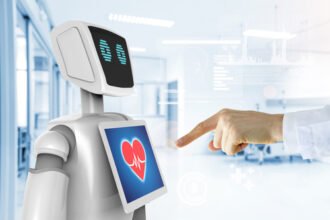
The process of being admitted into a hospital from the emergency room to general admission has changed immensely. Triage is handled via telemedicine due to distancing restrictions and the lack of knowledge whether someone is just ill or has contracted the Coronavirus. The speed that medical staff can admit patients is increased due to the lack of need to change gloves/masks/scrubs. There is a chance that a particular patient might not see a doctor physically at all. Robotics has made its way into different hospitals which allows the doctors to check out symptoms/vitals/medication intake of a patient. The efficiency that many hospitals have achieved during this time of change highlights the adaptability of healthcare professionals.
More Read

Medical Professionals Deemed “Unessential” Were Hit Hard
Not all medical professionals were able to work through the pandemic after being deemed unessential. Dental hygienists and dentists are two great examples. Oral surgeons continued to be able to do essential procedures that could not wait. Certain specialists outside of hospitals were also restricted leading to a number of complaints filed. Many of these professionals cited unfair practices as similar procedures/examinations were being restricted to doctors directly associated with a hospital. The aspect to remember is that healthcare workers directly on the front lines and those out of work both have made sacrifices.
Medical Practices Seem Unsure How to Market at this Time
Medical practices around the country are unsure how to allocate their marketing spend. The budget could go to employees but lack of marketing can be disastrous once life goes on after the pandemic has waned. Marketing professionals stress the importance of marketing in order to allow a business to recover after this massive economic catastrophe. The medical community in specialties like plastic surgery could see a massive drop in procedures due to the economic nosedive the virus has caused. With less expendable income, there are going to be a few different specialties that struggle for an extended period. The Coronavirus had changed healthcare and we have yet to see its permanent impacts on society as a whole. Practice healthy measures and continue to practice social distancing so this pandemic can be a thing of the past!