Millions of people snore when they sleep. It’s a condition that is often thought of whimsically, but is snoring bad for you? Click here to find out.
Over 90 million Americans admit to snoring at night. People all over are wondering, “Is snoring bad?”
The answer might shock you.
More Read

At least 37 million Americans deal with snoring as a regular issue. Sure, it’s a nuisance to those sleeping nearby, but is it an actual health issue?
Here’s what you should know about “sawing logs” in your sleep:
Snoring 101
Snoring is basically noisy breathing. It occurs when the air flow through the mouth and nose gets obstructed.
People tend to snore more as they age because their body becomes relaxed and loses muscle tone. This includes the throat and tongue muscles, which fall back into your airways and cause obstructions.
These obstructions produce snoring.
Your weight also has an effect on snoring. Many people wonder, “Why do fat people snore?” Being overweight makes your throat tissue bulky and poor muscle tone, which leads to snoring.
Alcohol consumption and smoking further relax the throat and tongue muscles, causing snores to happen. Nasal and sinus problems also cause snoring. Even your sleep posture can contribute to snoring.
Is Snoring Bad?
Now, you’re probably wondering, “Is Snoring bad for you? Is snoring dangerous?” Snoring isn’t necessarily dangerous. Snoring problems can often be remedied with reduced alcohol/cigarette consumption or a change in sleeping posture.
Cultural attitudes towards snoring effect how we perceive it. In other cultures (like India), people snoring is viewed as an indication of getting a sound sleep.
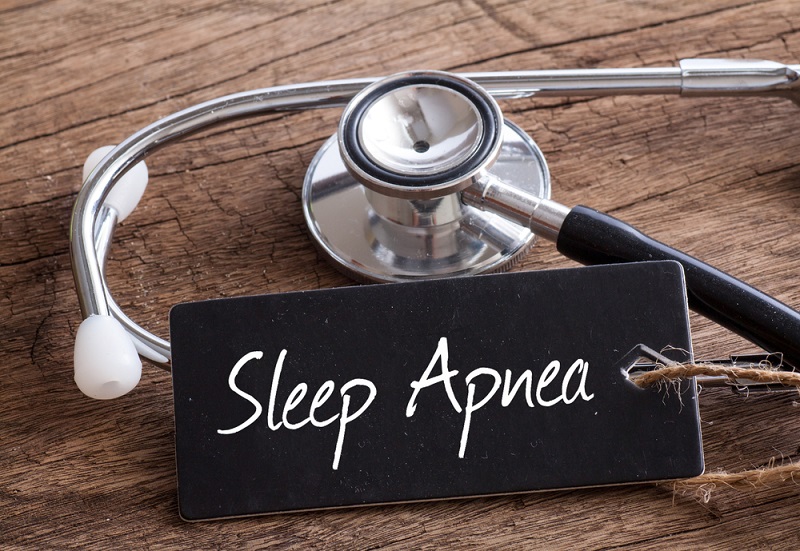
Habitual snorers, however, are at increased risk for sleep apnea. Sleep apnea is when you stop breathing for a short time during your sleep. This includes extended periods of 10+ seconds.
If left untreated, sleep apnea can cause stroke, hypertension, or heart failure. If sleep apnea is a problem for you, invest in an anti-snore-mouthpiece.
Health Risks
If you think you have sleep apnea, you need to see a doctor. Sleep apnea carries serious health risks you shouldn’t ignore.
Sleep apnea reduces the quality of your sleep. People with sleep apnea often wake up during the night and have trouble falling into a deep sleep. Not getting a good night’s sleep leads to drowsiness and fatigue during the day.
Sufferers of sleep apnea have less energy due to poor sleep quality. Lack of quality sleep can cause sleep deprivation.
This condition also lowers the oxygen levels in your blood. This can cause constricted blood vessels in the lungs which then causes pulmonary hypertension.
If you’re living with sleep apnea, you’re straining your heart. Having sleep apnea for a long time increases your blood pressure and causes heart enlargement, increasing your risk of stroke and heart attack.
Due to a lack of oxygen, sleep apnea also causes chronic headaches.
Start Snoozing Without Snoring
More than 18 million adults have sleep apnea as opposed to light snoring from a stuffy nose. Is snoring bad? The answer is simple: only if you have sleep apnea.
Around 80% of moderate to severe sleep apnea cases are undiagnosed. If you suspect you have sleep apnea, don’t wait: see a doctor as soon as possible.
Invest in yourself and educate yourself about wellness. It’ll change your life for the best.