
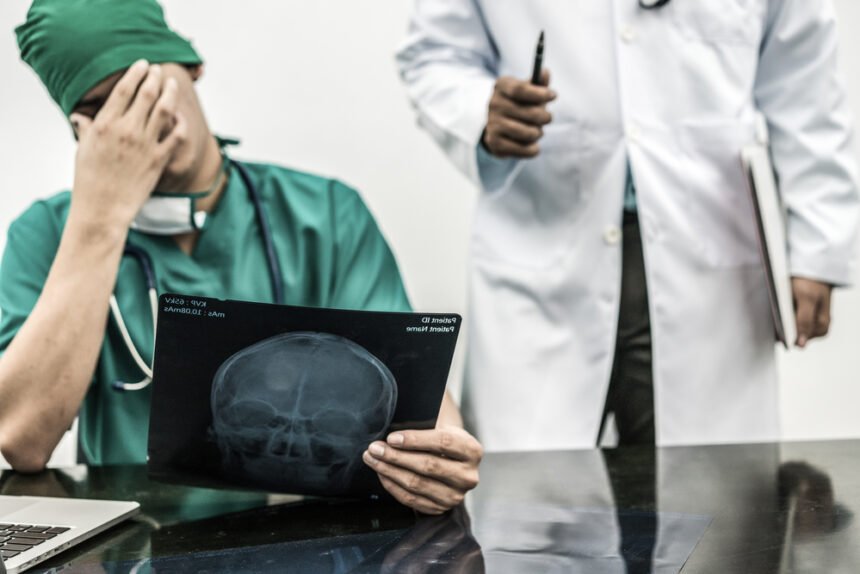
Although we put our lives confidently in the hands of medical professionals, few of us realize how common medical errors are. It’s scary to think that preventable deaths happen even in the hospital, under medical supervision. Do you believe that a loved one’s death could have been avoided with better care? If you have a reason to assume that your loved one was a victim of medical negligence or error, you can seek justice. In fact, the desire to seek justice is a natural part of the grieving process. Not knowing what truly happened can leave you with deep emotional scars. The doubts can keep you up at night, wondering what you could have done differently.
In this article, you’ll find everything you need to know about losing a loved one due to medical malpractice.
What is Medical Malpractice?
Medical malpractice occurs when a medical professional or health care institution causes an injury or illness to a patient through a negligent act or omission. Errors in diagnosis, treatment, or health management make up the majority of malpractice cases. Violations of standards of care also stand behind medical malpractice. If you suspect that a loved one was the victim of medical care violations or negligence that caused their death, you can file a claim on their behalf.
You may be surprised by some of the egregious medical malpractice issues that have arisen. Some of the most serious were covered in this article we published earlier.

Do You Have Evidence?
In health care, the same actions don’t always bring the same results, so it’s difficult to judge a medical professional’s decisions in a particular case. As a result, medical malpractice lawsuits are extremely challenging. They’re expensive to litigate and require the testimony of many health care professionals and medical experts. If you cannot gather proof of negligence or medical care violation, you don’t have a valid case. Mere suspicions are not enough to start a legal battle. If you want to initiate a lawsuit, you have to establish that there is proof of negligence and that the negligent act itself led to injury, illness, and the subsequent death of your loved one. Without evidence, you risk losing time and money on a lengthy and exhausting trial.
What Kind of Evidence Do You Need?
To file a claim, you need to gather all the documentation that proves a relationship between your loved one and the medical professional or hospital you want to hold accountable. Invoices, prescriptions, and all related documents with your loved one’s name on them are critical for supporting your case. Moreover, you need documentation that shows your loved one’s medical condition before they were treated by the person against which you’re filing the claim. The documentation must show that your loved one’s health condition worsened when they were in the care of the medical professional that you believe is guilty of their death.
How to File a Claim?
You don’t even want to try filing a lawsuit with a good wrongful death lawyer. The right lawyer will make or break your case.
Before filing a claim, it’s vital to understand the difference between medical malpractice and wrongful death. Medical malpractice doesn’t always lead to death. Moreover, wrongful death covers all situations when a person dies as a result of someone else’s negligence. Thus, it includes malpractice cases, but the term doesn’t refer exclusively to medical malpractice. When a victim of medical malpractice dies, immediate family members are given the legal option to seek justice for their loved one by filing a wrongful death claim.
Due to the complex nature of medical malpractice cases, it’s crucial to seek legal representation before filing a wrongful death claim against a medical professional or health care institution. Legal experts can help you gather all the necessary documentation and understand what damages you can collect. For example, if you’re the deceased person’s child or spouse and can prove that the deceased provided you with financial support, you can demand compensation equal to the support you’ve lost. Contact experienced Wrongful Death lawyers to help you prepare a strong case. With expert help, you can get compensation for your loved one’s medical bills, funeral and burial costs, loss of financial support, and other associated expenses. You can also demand compensation for emotional distress, pain, and suffering. To collect the damages you deserve, you need strong legal support, so don’t go to court before finding a good lawyer to advise you about the best course of action.
There’s nothing that hurts more than having a loved one die due to a preventable cause. If this has happened to you, make sure the person or entity responsible will take legal responsibility. Although financial compensation cannot bring back your loved one, it will help you surpass these difficult times without additional financial hardships.