We use cookies, including third-party cookies from Google to serve personalized ads through AdSense, to operate this site and understand how it is used. By continuing to browse, you accept this use. See our Privacy Policy and Terms of Use for details, including how to opt out of personalized advertising.
Accept
Health Works CollectiveHealth Works CollectiveHealth Works Collective
  • Health
    • Mental Health
  • Policy and Law
    • Global Healthcare
    • Medical Ethics
  • Medical Innovations
  • News
  • Wellness
  • Tech
Search
© 2023 HealthWorks Collective. All Rights Reserved.
Reading: Mental Health and Personal Injury Law
Share
Notification Show More
Font ResizerAa
Health Works CollectiveHealth Works Collective
Font ResizerAa
Search
Follow US
  • About
  • Contact
  • Privacy
© 2023 HealthWorks Collective. All Rights Reserved.
Health Works Collective > Mental Health > Mental Health and Personal Injury Law
Mental Health

Mental Health and Personal Injury Law

Personal injury laws cover a lot of different types of losses, including people that suffer from mental health issues.

Amanda Guerrero
Amanda Guerrero
Share
4 Min Read
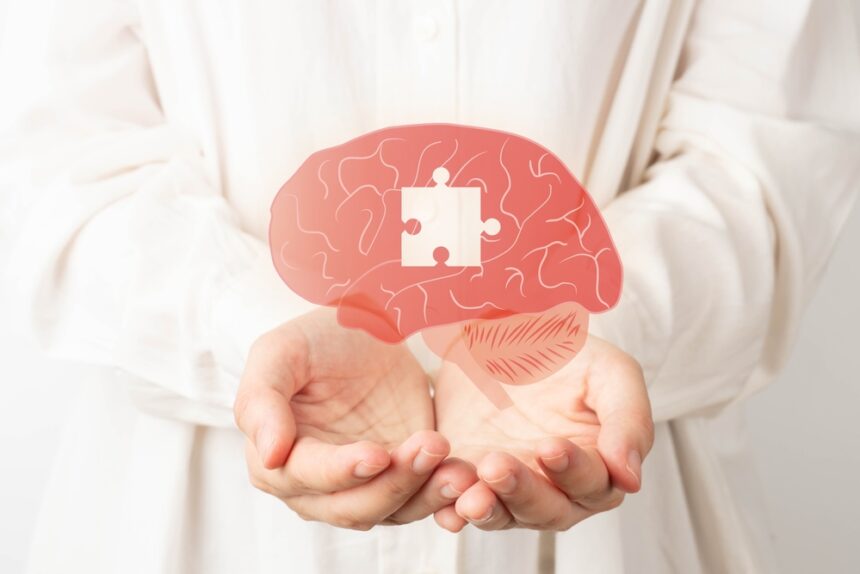
mental health and personal injury law
Shutterstock Licensed Photo - 2036932085 | Orawan Pattarawimonchai
SHARE

When you think of an injury and the relevant laws, the first thing that comes to mind is damage to bones and muscles. However, getting injured in an accident often has mental health effects, which are almost as severe as the physical ones. In this regard, the personal injury law also includes mental harm caused due to someone else’s negligence.

Contents
  • The Link Between Physical and Emotional Injuries
  • The Role of Injury Attorneys and Mental Health
    • Endnote

The overlap of mental health and injury law is complex but understudied. In this article, we’ll look into the importance of addressing both psychological and physical health in personal injury cases and the role injury attorneys play in such cases.

The Link Between Physical and Emotional Injuries

Any injury-causing experience or accident can be traumatic in more ways than one. Individuals suffering from physical injuries are susceptible to a range of mental health issues such as anxiety, depression, and especially PTSD (Post Traumatic Stress Disorder). A survey was conducted in the UK with 668 injured individuals to determine the correlation between physical injury and mental health. They found that if the pain persisted after a month, patients’ depression levels began to rise. The more nights someone spends in the hospital, the more susceptible they are to negative thoughts.

Pain, having to ask others for help with your daily chores, and spending time in hospital beds can all be contributing factors to a decline in mental health after a physical injury. Reduced mobility can also lead to an inability to leave the house or socialize with people. You might also have to take time off from work. Too much free time on your hands makes you feel like your time is going to waste. That can also give rise to a host of psychological problems and negative thoughts. Poor mental health can lead to slow physical recovery rates and vice versa.

More Read
relationship between gut and mental health
The Connection Between Your Gut & Mental Health
Can Books Cure Depression? UK Operates Bibliotherapy Program for Mental Illness
5 Ways To Improve Mental Health Without Medication
What Type Of Therapy Is Right For Your Relationship?
Psychiatrists Now Working Online: How the Mental Healthcare Industry Is Evolving

The Role of Injury Attorneys and Mental Health

Injury attorneys can play a significant role in advocating for both the physical and mental repercussions of an accident legally. These legal professionals represent individuals who have suffered any loss or arm under the personal injury law.

With the recent rise in mental health awareness, personal injury cases have now begun to include psychological harm as part of the suffering caused by an accident or injury. However, the requirements of such claims are more complex than traditional physical injury claims.

Expert witnesses and psychological evaluations are required to confirm the validity of any mental distress claims for a case. There’s also an ethical component to this, as being part of such a case might put pressure on the client and worsen their mental condition if it does not go well. Injury attorneys have a responsibility to make sure that they present adequate evidence for the clients’ claims and negotiate for fair compensation for both the mental and physical injuries that they suffered due to someone’s negligence.

Endnote

Mental health claims in personal injury cases are relatively new and are a broader landscape. These cases now recognize that psychological problems after a traumatic accident are just as significant as physical ones. Victims of such accidents deserve fair compensation for both the physical and mental harm.

If you suffer from emotional distress after an accident under the personal injury law, contact a mental health professional and an injury attorney to guide you through the legal process and get you on the path of recovering and healing from the incident.

TAGGED:mental healthpersonal injury
Share This Article
Facebook Copy Link Print
Share

Stay Connected

1.5KFollowersLike
4.5KFollowersFollow
2.8KFollowersPin
136KSubscribersSubscribe

Latest News

Flat editorial illustration: The article connects routine visual inspection and accurate barrier fit with protection of peristoma
Peristomal Skin Care: Healthy Skin, Irritation Causes, and When to See a WOC Nurse
Health Nursing
November 2, 2026
Flat editorial illustration: Clinical-trial operations editorial illustration combining healthcare and technology: country-specif
Clinical Study Operations Across Eastern European Research Markets
Health
October 31, 2026
Flat editorial illustration: A health-editorial scene of a first pain-management visit, bringing together attentive consultation,
What to Expect at Your First Pain Management Appointment
Therapies Wellness
October 29, 2026
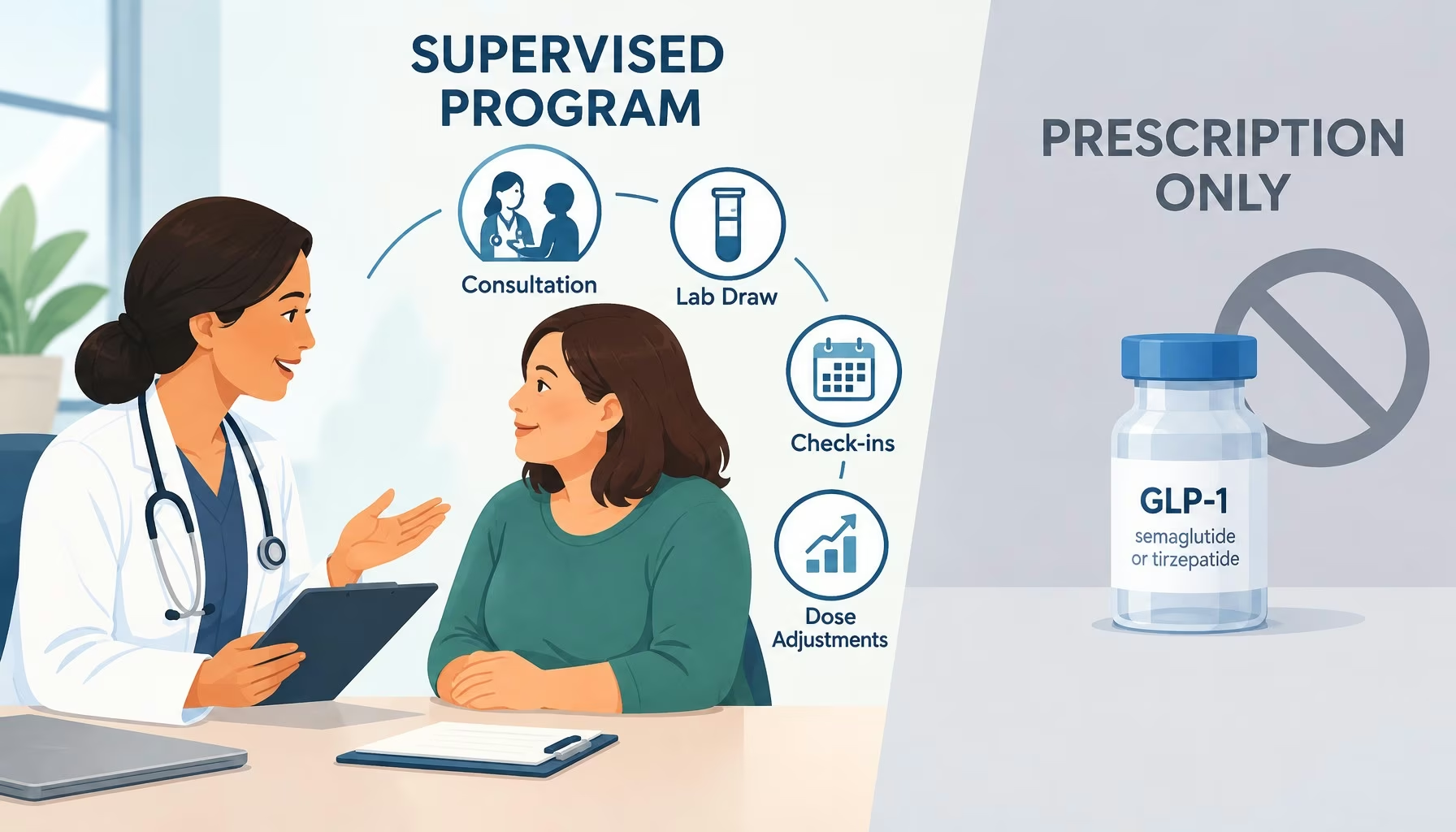
Flat editorial illustration: The core relationship is medication-only coverage versus coverage for a supervised clinical program.
Medical Weight Loss as a Workplace Benefit: The Questions I Would Want Asked
Weight Loss Wellness
October 29, 2026

You Might also Like

mental health divorce
Mental HealthWomen Health

Tips for Managing Mental Health During Divorce

July 23, 2024
hair loss technology
Health

Can Hair Loss Treatments Improve Your Mental Health?

July 27, 2024
Healthcare Innovations in Personal Injury Law: Improving Patient Recovery and Legal Outcomes
Health care

The Role of Healthcare Innovations in Personal Injury Law: Improving Patient Recovery and Legal Outcomes

December 5, 2024

Doc Foreman: Suicide Education and Twitter [PODCAST]

August 14, 2014
Subscribe
Subscribe to our newsletter to get our newest articles instantly!
Follow US
© 2008-2026 HealthWorks Collective. All Rights Reserved.
  • About
  • Contact
  • Privacy
Welcome Back!

Sign in to your account

Username or Email Address
Password

Lost your password?