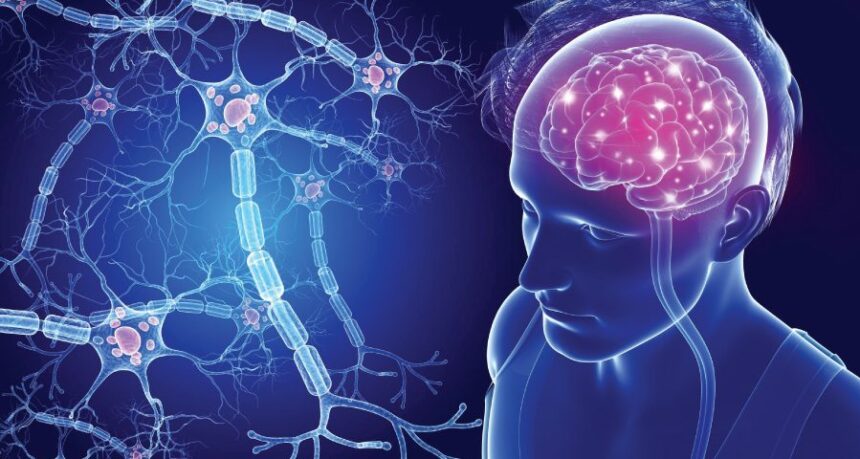
Multiple Sclerosis (MS) is a disease that can be found on the skin but it can affect the brain, Central Nervous System or maybe the spinal cord. There is a protective layer around the nerve fibres called myelin is attacked by the immune system. The effect of the disease may cause several symptoms. Those symptoms may vary from people to people. It can be a vision problem, numbness or maybe problems in the limbs. When the condition is worst, there may be several occasions where mobility problems or permanent vision loss or even the patient may be paralyzed. Though these conditions are severe, they are rare too.
According to doctors and scientists, there is no known reason which can be treated as the cause of this disease. As soon as the nerve fibres will breakdown and get damaged, the effects of this disease will start spreading.
Different types of Multiple Sclerosis(MS)
Multiple Sclerosis (MS)

can be classified into four categories. Such as:
1. Clinically Isolated Syndrome(CIS)
This type of Sclerosis consists of a single episode and it will last for a day. These symptoms are the result of demyelination in our CNS.
It is a well-known fact that there are two types of episodes. They might be monofocal as well as multifocal episodes. In the case of the monofocal episode, one lesion will cause one episode. In the case of the multifocal episode, multiple lesion is responsible for one episode.
2. RRMS(Relapsing-Remitting MS)
It is the involvement of clear relapses of diseases activity and along with remissions. It has observed that during the remission period, there will be no such progression of the disease and its symptoms will be almost absent. Within all the categories of MS, RRMS is the most common type and about 85% of people with Multiple Sclerosis (MS) are belongs to RRMS.
3. PPMS(Primary Progressive MS)
In the case of PPMS, the effects will be worse. The functions of the nerves will be progressively worse. Almost 15% of people have PPMS among the entire group of people with Multiple Sclerosis.
4. SPMS(Secondary Progressive MS)
The effects of episodes, relapse or remissions will occur during this period and after that, the disease will start spreading more rapidly.
Symptoms:
- Muscle weakness
- Bladder problems
- Dizziness and vertigo
- Sexual dysfunction
- Tingling along with numbness
- Constipation
- Vision problems
- Emotional changes
- Learning or hearing problems
- Pain
In the worst condition, there may be
- Headache
- Complete hearing loss
- Complete vision loss
- Breathing problem
- Respiratory or breathing problem
- Swallowing problem
Causes:
Though it is totally unknown that which causes Multiple Sclerosis. But there are some risk factors which are as follows:
- People between the age group of 20-40 need a check-up.
- The number of women affected is almost double the number of men.
- Genetic factors may also be the reason for this disease.
- Smoking may increase the chances of causing MS.
- Deficiency of vitamins like Vitamin-D, Vitamin-B12 may cause MS.
- Infections may cause also MS.
Diagnosis:
The doctors may ask about the symptoms or may ask neurological questions to confirm the disease as because there is no single test that can confirm the disease. Therefore the doctor has to go through several stages in order to diagnose it properly. Those tests are as follows:
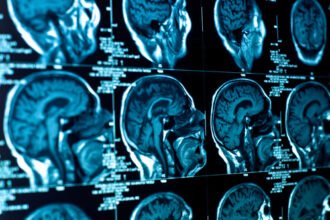
- MRI scan
- Evoke potential test
Treatment:
There is no such cure for this disease but there is certainly some way to slow down the effect of MS. Such as,
- Injectable and oral medicines (tecfidera)
- Infused medicines
- Several therapies (Heat and massage treatment, acupuncture, stress management, healthy diet, avoid consuming bad substances)
- Medica marijuana
- Rehabilitation(physical therapy, occupational therapy, speech and swallowing therapy, etc.)
- Plasma exchange by means of withdrawing blood from someone’s body, removing the plasma from the blood and then the blood will be transfused into the person?s body by replacing it with new plasma.
- Stem cell therapy can be done to regenerate several cells and restore the functions of those nerves who has stopped working.
Conclusion:
As the MS will destroy our nervous system, therefore it must be treated carefully. But there is no such treatment by which the disease can properly be cured. Progression using several methods will be different from a different person. Its side effects will also be different. An only proper healthy diet and proper therapy can be beneficial for the patient.