Inadequate handwashing is a pervasive public health problem, contributing to hospital-acquired infections (HAIs), which cost American society in the tens of billions of dollars and cause at least 100,000 deaths each year. While many potential solutions have been developed, none have been particularly effective at encouraging sanitary behavior among hospital employees.
Inadequate handwashing is a pervasive public health problem, contributing to hospital-acquired infections (HAIs), which cost American society in the tens of billions of dollars and cause at least 100,000 deaths each year. While many potential solutions have been developed, none have been particularly effective at encouraging sanitary behavior among hospital employees. In this two-part post, I talk with Seth Freedman, co-founder and CEO of IntelligentM, which was created to introduce a simple technological solution to spot incorrect – and to encourage proper – hand-washing techniques.
An Interview with IntelligentM Co-Founder Seth Freedman – Part One
How did you get started?

IntelligentM was founded about three years ago by a serial entrepreneur, a technologist and a surgeon based on the principle that technology, if used correctly, could reduce the staggering problem know as hospital-acquired infections (HAIs).
How big is the problem of HAIs?
There are 100,000 estimated fatalities in the US annually associated with HAIs. That’s more deaths annually in this country than from prostate cancer, breast cancers and AIDS combined. HAIs cost the US healthcare system an estimated $45 billion a year. An average-sized hospital is losing approximately $10 million a year due to these infections.
According to the US Centers for Disease Control and Prevention, up to 70% of HAIs can be reduced by healthcare professionals simply washing hands the way they’re supposed to. We thought we could use simple technology to get healthcare workers to wash their hands both “how” and “when” they are supposed to, as well as, create an effective management tool for infection control professionals. Clearly there are a number of items that cause HAIs, but there is no dispute that proper hand hygiene is the number one way to reduce these infections.
How compliant with hand hygiene are healthcare workers? How big is the problem?
Currently, US healthcare workers on average have a hand hygiene compliance level below 50% (meaning they’re washing their hands less than half the time they’re supposed to). The current monitoring system for healthcare workers (visual observation) doesn’t even take into consideration if hand hygiene events are being done according to product use guidelines, meaning the total compliance level for healthcare worker is far below 50% in actuality.
What unique solution does IntelligentM offer?
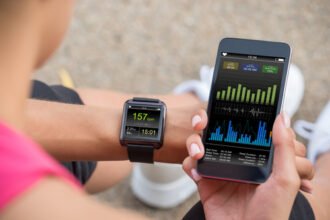
IntelligentM was designed around how best to modify incorrect human behavior. We do that in several ways – First, thru our wearable Smartband’s use of radio frequency identification (RFID) and proprietary accelerometer technology, we provide 24/7/365 real-time compliance feedback to healthcare workers at the point of product use of sanitizer or soap. This feedback lets healthcare workers know, on the spot, if they are sanitizing or washing their hands according to the CDC guidelines. Second, we provide real-time feedback at the point of patient care. Reminding healthcare workers to sanitize or wash when they should. It’s very important to provide that immediate feedback, to modify human behavior. Lastly, our system collects all the compliant/noncompliant data during a worker’s shift. This data is automatically downloaded to a server for report viewing, providing detailed compliance reporting by groups, or at the individual level, that can be used to manage hand hygiene compliance by the facility’s infection control and management teams.
Does this differ from other solutions?
Yes. None of our competitors are providing as simple, complete and cost effective a solution to change incorrect hand hygiene habits. Video cameras were suggested some years ago, but they have not taken off because of privacy issues and because even though videos can gather data on compliance, they’re not effective at modifying behavior. Some other companies are using RFID technology that requires running cabling and antennas in the ceilings of hospitals – a very expensive proposition. Other solutions use badges as tags on the worker’s clothes, or putting the RFID readers in the product dispensers. These techniques let you know when somebody is using sanitizer or soap and can identify an individual, but there are problems with proximity detection accuracy inherent with these solutions and no other solution is looking at whether the product is being used according to the product use protocols – a requirement for sanitizer or soap to be effective. We’ve overcome these issues with our unique technology platform.
In Part Two of our discussion with Seth Freedman, we’ll talk about barriers to his and other healthcare innovations, and the challenges of running a startup company.
(handwashing / shutterstock)