We use cookies, including third-party cookies from Google to serve personalized ads through AdSense, to operate this site and understand how it is used. By continuing to browse, you accept this use. See our Privacy Policy and Terms of Use for details, including how to opt out of personalized advertising.
Accept
Health Works CollectiveHealth Works CollectiveHealth Works Collective
  • Health
    • Mental Health
  • Policy and Law
    • Global Healthcare
    • Medical Ethics
  • Medical Innovations
  • News
  • Wellness
  • Tech
Search
© 2023 HealthWorks Collective. All Rights Reserved.
Reading: Robots Caring for the Elderly?
Share
Notification Show More
Font ResizerAa
Health Works CollectiveHealth Works Collective
Font ResizerAa
Search
Follow US
  • About
  • Contact
  • Privacy
© 2023 HealthWorks Collective. All Rights Reserved.
Health Works Collective > Wellness > Home Health > Robots Caring for the Elderly?
Home HealthTechnology

Robots Caring for the Elderly?

DavidEWilliams
DavidEWilliams
Share
3 Min Read
elder care
SHARE

elder careThe New York Times Bits blog has one of the better articles I’ve read about caregiver robots for the elderly.

elder careThe New York Times Bits blog has one of the better articles I’ve read about caregiver robots for the elderly. The aging population plus fewer family caregivers, fewer available human aides and relentless advances in technology are making the routine use of robotic assistants for the elderly all but inevitable.

One way or another we should expect to see robots enter the home to take care of the elderly. Certain tasks are less controversial. For example, a robot that clears dishes from the table, loads them in the dishwasher and then unloads them when they’re done isn’t that big a deal. That’s only a step or two beyond what a dishwasher does today. But even there you encounter issues of learned helplessness. If the robot can do it, why make the effort, even if effort is what provides purpose in life and staves off physical and cognitive decline?

Then there will be robots that keep track of medications and encourage people to take them on time. Those are probably good, even for non-elderly patients, because they could help boost adherence, reduce medication administration errors, and order refills in a timely manner.

More Read

Image
Exoskeletons, Computer-Aided Diagnostics and 4 Other Amazing Projects by Google Science Fair Finalists
Five Tips for Folding FDA’s New Medical App Oversight into Your Business Strategy
6 Ways Living Green Can Be Better for Your Health
Five Great Myths About Exercise
Here’s Why Plastic Surgery Shouldn’t Be Taboo Anymore

It gets a little spooky when we start thinking about robots that do personal tasks, such as giving baths. And what about robots that act human to engage elders in conversation? It’s pretty clear that a lot of patients develop a relationship with such creatures, especially if they are dressed up like humans or have a human voice. On the one hand that’s a great relief to a remotely located adult son or daughter. The parent will have someone to talk to all day who keeps his/her patience and has plenty of time. But there can be feelings of guilt, too, as the son or daughter realizes they’ve delegated something critical to a machine and may even be unwittingly tricking their parent into thinking it’s human.

Things get even dicier when robots are used to monitor activities and behavior, which may lead to resentment by the parent and loss of autonomy.

I think we’ll just need to get used to these issues and work through them and that if we do so we can get to a generally happier place. The typical model I’ve seen of elders spending their last years accompanied by hired caregivers can sometimes be wonderful, but often has serious downsides.

If and when I get old and am on my own, I’ll be ready for my robot or robots.

(image: helper robots / shutterstock)

TAGGED:elder carerobots
Share This Article
Facebook Copy Link Print
Share

Stay Connected

1.5KFollowersLike
4.5KFollowersFollow
2.8KFollowersPin
136KSubscribersSubscribe

Latest News

Flat editorial illustration: Healthcare ethics-and-law training, shown through a coached clinical role-play where structured disc
Medical Ethics and the Law: The Training Behind Professionals Who Resolve Healthcare Disputes
Uncategorized
November 6, 2026
Flat editorial illustration: The article connects routine occupational health screening with early exposure detection and better
What Routine Workplace Health Monitoring in Medical Environments Actually Prevents
Uncategorized
November 6, 2026
Flat editorial illustration: The article contrasts structured prelicensure education with ongoing, practice-focused development f
Academic vs. Clinical Education: How Teaching Settings Shape Nursing Learners and Outcomes
Uncategorized
November 6, 2026
Flat editorial illustration: Health-editorial illustration of the two-way relationship between substance use and disrupted sleep,
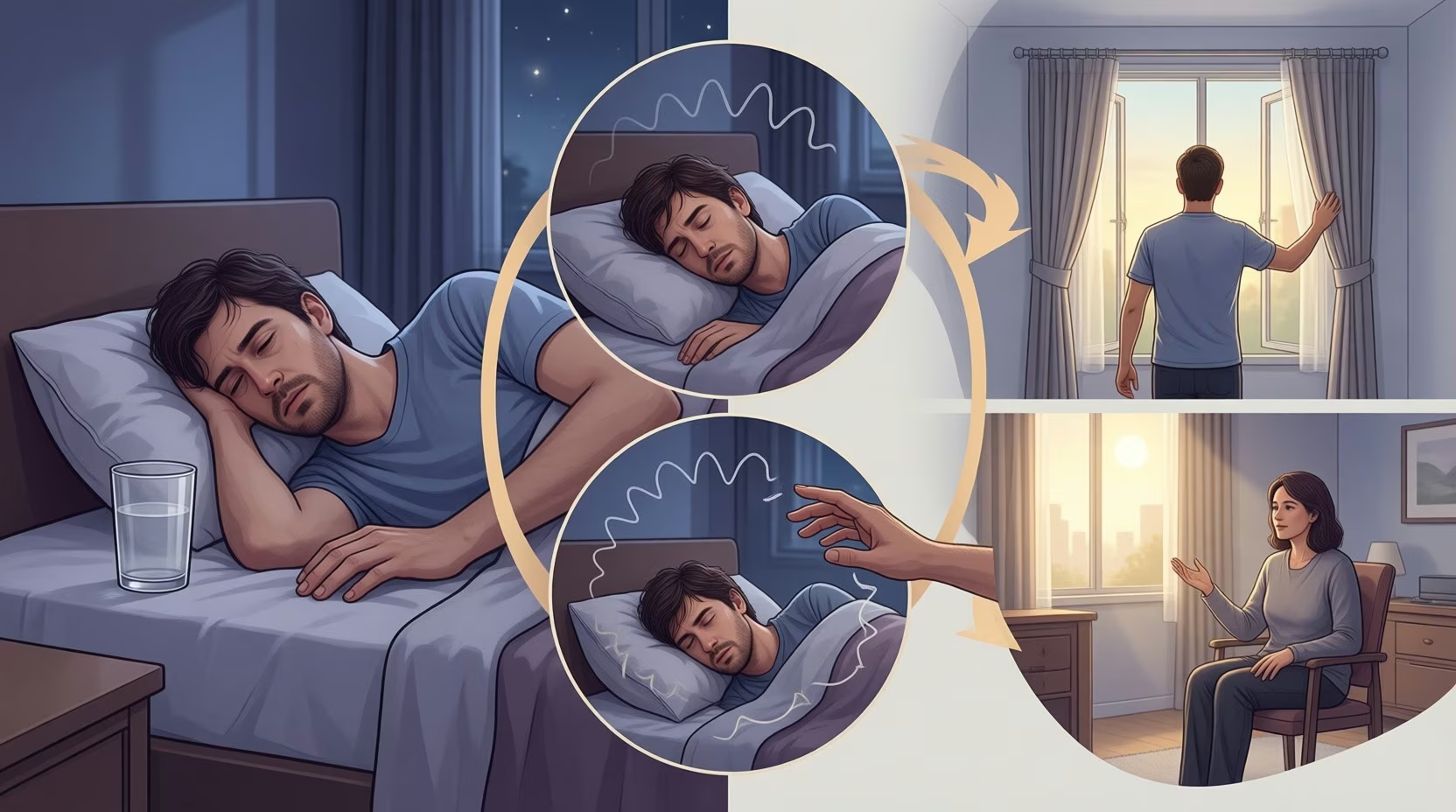
How Sleep Disruption Feeds the Addiction Cycle and What You Can Do About It
Addiction Recovery Mental Health Wellness
November 6, 2026

You Might also Like

Ergonomic Keyboard/Mouse
DiagnosticsHome HealthWellness

6 Reasons You’re in Pain at Work

September 10, 2012

Doctors 2.0 & You Interview of Dr. Rafael Grossmann [VIDEO]

July 9, 2014

New Ways to Engage with Patients

October 30, 2013

Personal Spirometry and the Cystic Fibrosis Patient

October 3, 2012
Subscribe
Subscribe to our newsletter to get our newest articles instantly!
Follow US
© 2008-2026 HealthWorks Collective. All Rights Reserved.
  • About
  • Contact
  • Privacy
Welcome Back!

Sign in to your account

Username or Email Address
Password

Lost your password?